
Literasi Hukum - Artikel ini membahas mengenai cara penyelesaian sengketa waris di Indonesia. Yuk simak pembahasannya.
Indonesia Negara Hukum
Berdasarkan Undang-Undang Dasar 1945 Pasal 1 ayat (3) yang menyatakan bahwa Indonesia adalah Negara hukum (rechstaat), maka konsekuensinya semua tindakan yang dilakukan oleh penyelenggara negara maupun oleh warga negara harus didasarkan pada ketentuan hukum yang berlaku. Apabila terjadi pelanggaran hukum atau sengketa maka harus ditegakkan atau diselesaikan secara hukum. Guna merealisasikan terwujudnya negara hukum tersebut, maka perlu adanya kekuasaan kehakiman yang merdeka untuk menyelenggarakan peradilan dengan tujuan menegakkan hukum serta keadilan.


Penyelesaian Sengketa Waris
Kekuasaan kehakiman dilakukan oleh sebuah Mahkamah Agung dan badan peradilan yang berada di bawahnya dalam lingkungan Peradilan Umum, Peradilan Agama, Peradilan Militer dan Peradilan Tata Usaha dan oleh sebuah Mahkamah Konstitusi.[1] Dalam hal memeriksa, mengadili dan memutus perkara perdata, di mana dalam hal ini adalah waris, maka akan dibahas terkait peradilan yang berwenang, di antaranya adalah:
1. Penyelesaian Sengketa Waris melalui Pengadilan Negeri
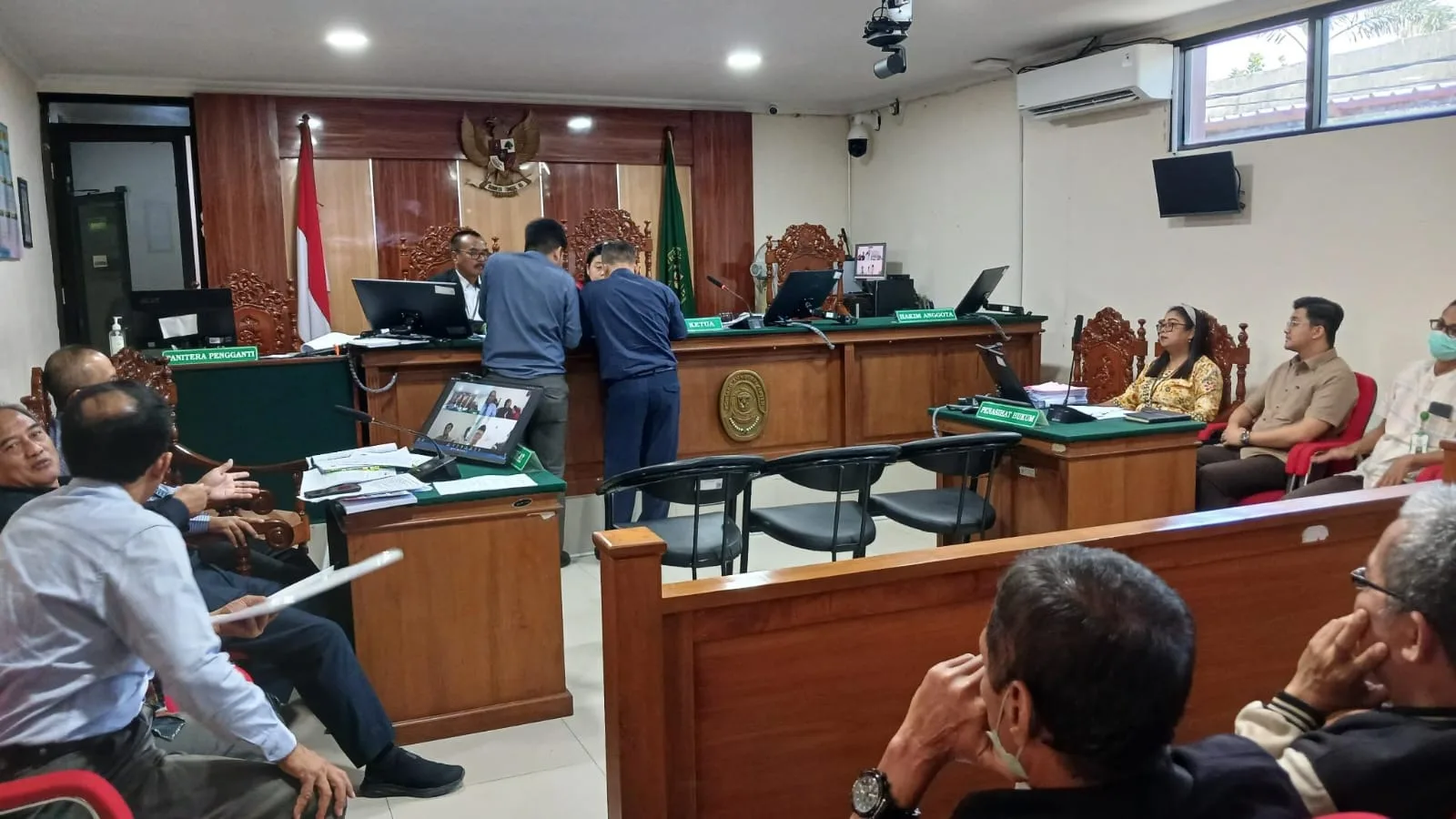
Pengadilan Negeri merupakan salah satu pelaksana kekuasaan kehakiman yang berada dalam lingkup badan peradilan umum, mempunyai kewenangan untuk memeriksa, mengadili, dan memutus perkara pidana dan perdata di tingkat pertama. Kewenangan Pengadilan Negeri dalam perkara pidana mencakup segala bentuk tindak pidana, kecuali tindak pidana militer yang merupakan kewenangan Peradilan Militer.
Sedangkan dalam perkara perdata, Pengadilan Negeri berwenang mengadili perkara perdata secara umum, kecuali perkara perdata tertentu yang merupakan kewenangan Pengadilan Agama.[2] Dalam hal persoalan warisan bagi yang beragama Islam adalah wewenang Pengadilan Agama yang didasarkan pada Pasal 49 Undang-Undang Nomor 3 Tahun 2006 Tentang Peradilan Agama. Sedangkan perkara kewarisan selain orang-orang yang beragama Islam adalah wewenang Pengadilan Negeri.
Meskipun demikian, bagi orang yang beragama Islam jika mengajukan persoalan sengketa waris di Pengadilan Negeri tetap diterima. Hal ini berdasarkan pada penjelasan Pasal 49 Undang-Undang Nomor 3 Tahun 2006 tentang Peradilan Agama, di mana dalam penjelasan tersebut yang dimaksud dengan “antara orang-orang yang beragama Islam” adalah termasuk orang atau badan hukum yang dengan sendirinya menundukkan diri dengan sukarela kepada hukum Islam.
Oleh karena itu, orang-orang yang beragama Islam yang bersengketa di Pengadilan Negeri adalah orang-orang yang menundukkan diri pada hukum perdata Indonesia (BW) atau hukum waris adat. Dengan demikian, sikap pengadilan tidak boleh menolak orang Islam yang ingin menyelesaikan perkaranya di Pengadilan Negeri.[3]
Pengadilan negeri dalam menyelesaikan perkara waris berdasar pada hukum adat dan barat.[4] Adapun dasar hukum dalam menyelesaikan sengketa hukum waris adat adalah hukum adat yang tidak tertulis.
Dalam hal ini hakim dituntut untuk menggali dan mengikuti serta memahami nilai-nilai hukum dan rasa keadilan yang hidup dalam masyarakat. Hal ini sesuai dengan Pasal 5 (1) Undang-Undang Nomor 48 Tahun 2009 tentang Kekuasaan Kehakiman yang menegaskan bahwa hakim wajib menggali, mengikuti dan memahami nilai-nilai hukum dan rasa keadilan yang hidup dalam masyarakat. Ketentuan dalam pasal tersebut akan menjadi salah satu dasar hukum bagi hakim untuk menemukan hukumnya berdasarkan hukum kebiasaan atau hukum adat.[5]








Komentar
0Bagikan perspektif Anda secara sopan, relevan, dan fokus pada isi artikel. Komentar tampil setelah moderasi.
Ikut berdiskusi