Indonesia, R. L. H. (2025, July 28). Restructuring the Independence of BI, OJK, and LPS: A New Idea of Monetary Constitutionalism.. Literasi Hukum Indonesia. https://literasihukum.com/en/restructuring-the-independence-of-bi-ojk-and-lps-a-new-idea-of-monetary-constitutionalism
Indonesia, Redaksi Literasi Hukum. "Restructuring the Independence of BI, OJK, and LPS: A New Idea of Monetary Constitutionalism." Literasi Hukum Indonesia, 28 July 2025, https://literasihukum.com/en/restructuring-the-independence-of-bi-ojk-and-lps-a-new-idea-of-monetary-constitutionalism. Accessed 28 April 2026.
Indonesia, Redaksi Literasi Hukum. "Restructuring the Independence of BI, OJK, and LPS: A New Idea of Monetary Constitutionalism." Literasi Hukum Indonesia. July 28, 2025. Retrieved from https://literasihukum.com/en/restructuring-the-independence-of-bi-ojk-and-lps-a-new-idea-of-monetary-constitutionalism.
Redaksi Literasi Hukum Indonesia, "Restructuring the Independence of BI, OJK, and LPS: A New Idea of Monetary Constitutionalism," Literasi Hukum Indonesia, July 28, 2025. [Online]. Available at: https://literasihukum.com/en/restructuring-the-independence-of-bi-ojk-and-lps-a-new-idea-of-monetary-constitutionalism. [Accessed: 28 April 2026].
Redaksi Literasi Hukum Indonesia (2025) Restructuring the Independence of BI, OJK, and LPS: A New Idea of Monetary Constitutionalism.. Literasi Hukum Indonesia. Available at: https://literasihukum.com/en/restructuring-the-independence-of-bi-ojk-and-lps-a-new-idea-of-monetary-constitutionalism (Accessed: 28 April 2026).
Redaksi Literasi Hukum Indonesia. Restructuring the Independence of BI, OJK, and LPS: A New Idea of Monetary Constitutionalism.. Literasi Hukum Indonesia [Internet]. 28 July 2025 [cited 28 April 2026]. Available at: https://literasihukum.com/en/restructuring-the-independence-of-bi-ojk-and-lps-a-new-idea-of-monetary-constitutionalism.
Redaksi Literasi Hukum Indonesia, 'Restructuring the Independence of BI, OJK, and LPS: A New Idea of Monetary Constitutionalism' (Literasi Hukum Indonesia, 28 July 2025) <https://literasihukum.com/en/restructuring-the-independence-of-bi-ojk-and-lps-a-new-idea-of-monetary-constitutionalism> Accessed 28 April 2026

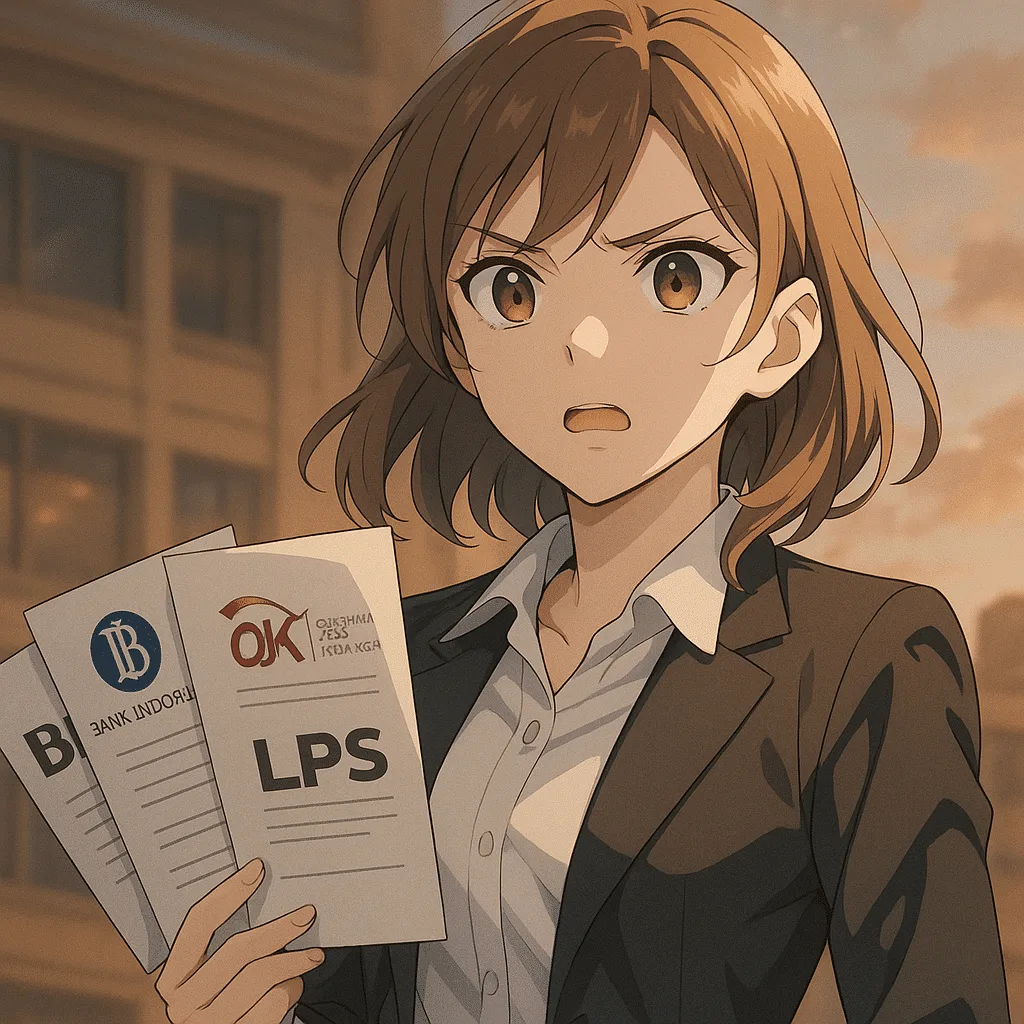









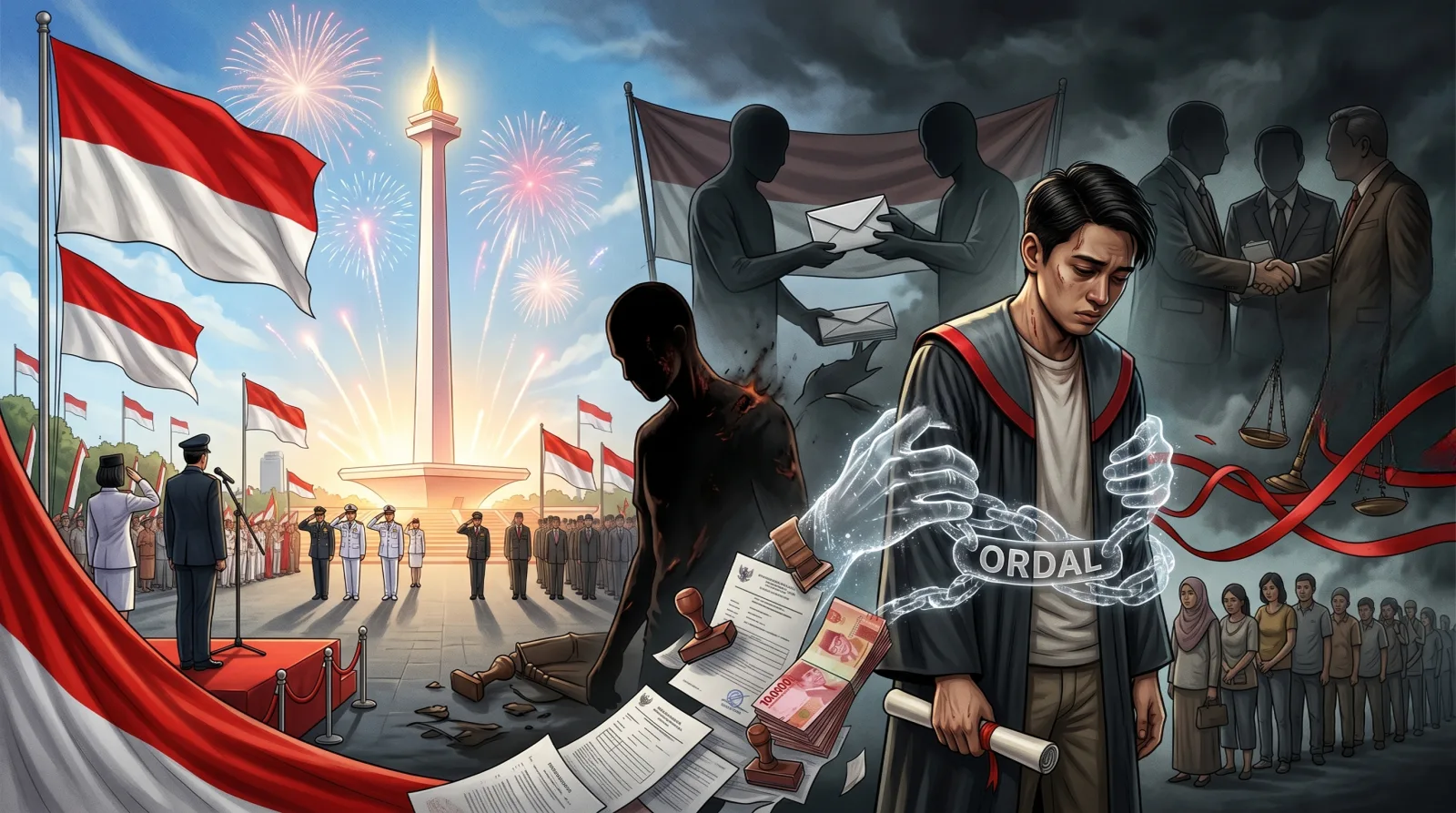





Comments
0Share your perspective politely, stay relevant, and focus on the article. Comments appear after moderation.
Join the discussion
Write a clear, polite response that stays on topic.
No comments yet. Be the first to discuss.
Comments will appear after moderation.