
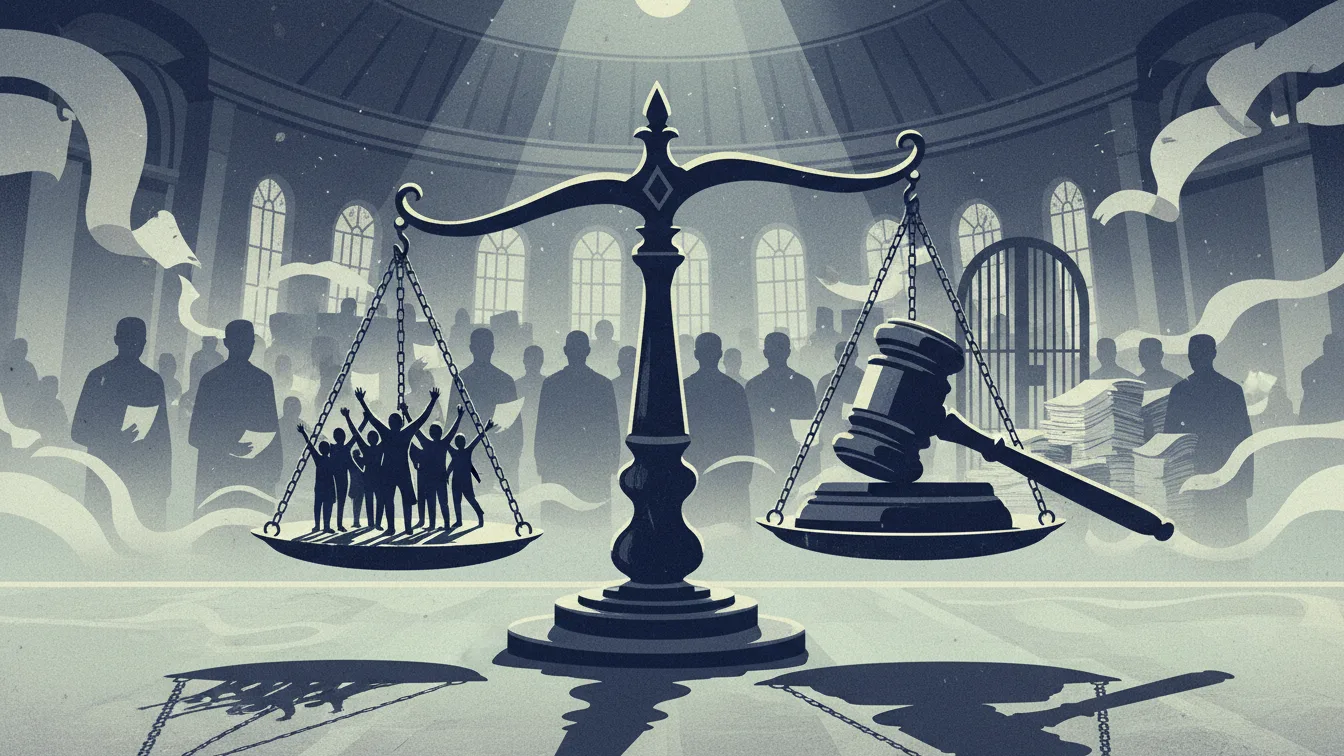
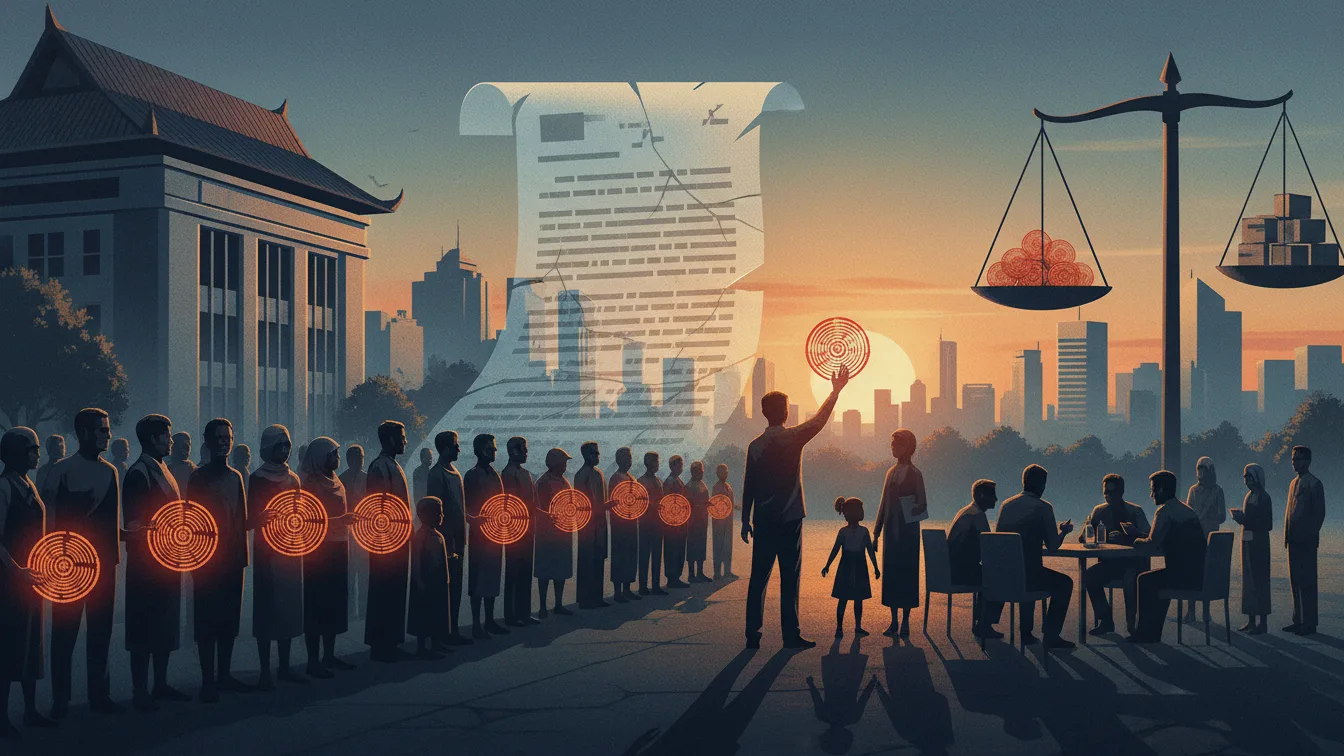
Legal Literacy - Recently, social and conventional media have been stirred up by the discourse on returning the authority of Regional Head Elections (Pilkada) to the Regional People's Representative Council (DPRD). The latest information currently, at the level of the People's Representative Council (DPR), is that only the PDIP party disagrees with this, while the rest agree to return the authority of Pilkada to the DPRD. If the regulations regarding this matter change and the Pilkada elections are returned to the DPRD, then after this we will no longer elect our respective regional heads, everything will be handed over to the DPRD. Will this arrangement make things easier? Or will it make things even more difficult for us?
History of Regulations Regarding Pilkada
Pilkada, which are conducted directly by the people, have been going on for more than 20 years since 2004. These direct Pilkada are one of the changes that occurred during the reform era as a response to the authoritarianism that was enforced during the New Order era. Previously, according to Law Number 5 of 1974 concerning the Principles of Regional Government, regional heads were nominated and elected by the DPRD after being nominated by the leaders of the DPRD/leaders of factions and then discussed with the Minister of Home Affairs (Mendagri) (Article 15 of Law Number 5 of 1974).


After the reform took place, Law Number 5 of 1974 was revoked by Law Number 22 of 1999. According to the new regulation, regional heads are elected through simultaneous elections (Article 34 of Law Number 22 of 1999). In the latest regulations currently in force, namely Law Number 23 of 2014, it is regulated that the election of regional heads is regulated by law (Article 62 of Law Number 23 of 2014). The most recent regulation regarding the election is Law Number 6 of 2020. However, the phrase "regulated by law" provides leeway for lawmakers to regulate the election of regional heads.














Comments
0Share your perspective politely, stay relevant, and focus on the article. Comments appear after moderation.
Join the discussion
Write a clear, polite response that stays on topic.
No comments yet. Be the first to discuss.
Comments will appear after moderation.