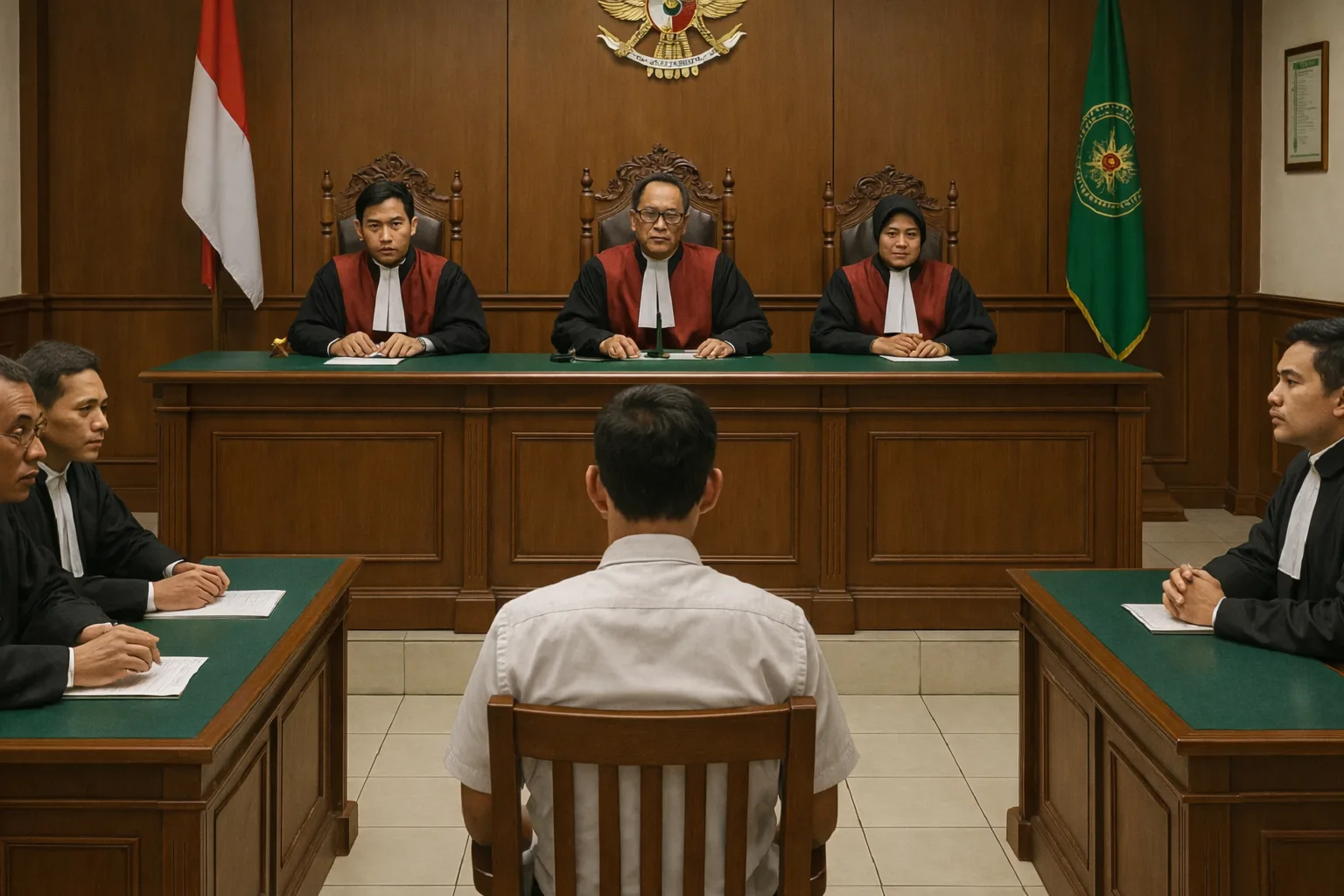
Legal Literacy - In 2026, precisely on January 2, 2026, a historical record was made in the context of criminal law reform and criminal procedure law nationally in the form of Law Number 1 of 2023 concerning the Criminal Code (KUHP) and Law Number 20 of 2025 concerning the Criminal Procedure Code (KUHAP), which have been successfully created by legal professionals in this country. If we look at the history of the formation of national laws and regulations, this is certainly a major achievement because it has created and updated the Criminal Code, which previously used Dutch colonial products (Law No. 1 of 1946) and has been used nationally for approximately 80 years, and the Criminal Procedure Code, which is an authentic legal product of the Indonesian nation that was previously created with Law No. 8 of 1981 and has been used nationally for approximately 45 years. The reform of the Criminal Code and Criminal Procedure Code has historically and theoretically influenced the criminal law system in force in this country, both in terms of regulation and law enforcement. One example can be seen in the new Criminal Procedure Code, which includes the concept of “Plea Bargaining” which was not recognized in the previous Criminal Procedure Code. This shows that the reform of the Criminal Procedure Code not only changes the contextual aspect, but also includes the concept of reform in the criminal law system.
Definition of “Plea Bargaining”
In summary, it can be understood that Plea Bargaining is a mechanism or concept of legal resolution of criminal cases for Defendants to admit their guilt in a criminal act and cooperate in the investigation by submitting evidence that supports their confession in exchange for a lighter sentence. (Article 1 Number 16 of Law No. 20 of 2025 concerning the Criminal Procedure Code).

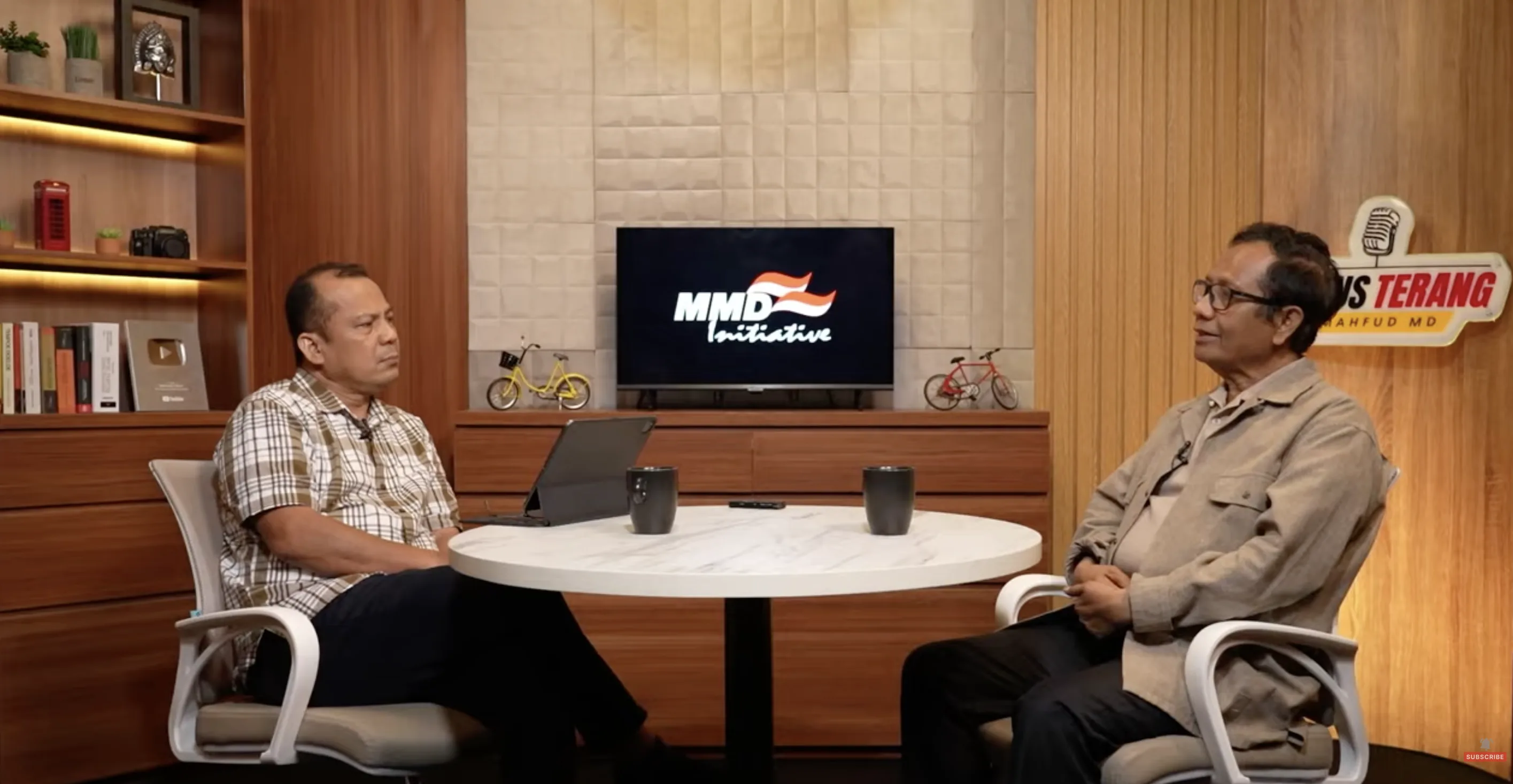

Prof. Mahfud MD also explained that plea bargaining as a peaceful settlement where the defendant admits guilt and agrees to a sentence with the prosecutor, which is then ratified by the judge, is a new mechanism in the Criminal Procedure Code.
Objectives of the “Plea Bargaining” Mechanism
A problem that often arises in every judicial institution is the slow and time-consuming case resolution process. Seeing this problem, countries that adhere to the "common law" system have begun to develop the concept of "Plea Bargaining" by prioritizing efficiency, simplicity, lightness, and prioritizing settlements outside of court. With the concept of "Plea Bargaining" in the criminal justice system, it is hoped that it can ease the burden on the criminal justice system so that the resolution process becomes fast and will prevent the court from accumulating cases so that the court can have more time to resolve other cases. In addition, "Plea Bargaining" can also ease the work of the court and the prosecutor's office, thus saving budget, time and energy in resolving cases.
Furthermore, another objective of the “Plea Bargaining” mechanism is to strengthen the Dominus Litis Principle for Prosecutors. The meaning of Dominus Litis itself comes from Latin, namely dominus which means owner and litis which means case or lawsuit. The Dominus Litis principle affirms that the Public Prosecutor (JPU) is the authority authorized to monopolize charges to control cases. The JPU becomes the determining party as to whether a case can be continued to court or not.
In line with the intent of the explanation above, the role of the JPU in the “Plea Bargaining” mechanism is a form of strengthening the prosecutor's function as “dominus litis” or case controller. In the “Plea Bargaining” mechanism, there is a negotiation process carried out between the JPU and the defendant or their legal counsel, and the JPU can fully assess and balance the applicable legal rules with the principle of expediency in providing their demands. In addition, through this “Plea Bargaining” mechanism, the public prosecutor can still carry out their duties in the context of representing the interests of victims and the community and can actually accelerate the work of the public prosecutor to provide justice for victims.
An equally important objective of the “Plea Bargaining” mechanism is to provide benefits for the Defendant, the Victim, and Law Enforcement Officials. This is because each party will gain its own advantages through this mechanism. For example, for a defendant, his admission of guilt creates an opportunity to negotiate with the Public Prosecutor to receive a lenient sentence or a reduction in punishment. In addition, according to Mien Rukmini's view, the judicial process must be carried out based on the principle of a fast trial or constante justitie or speedy trial, which aims to prevent the suspect/defendant from experiencing physical and mental suffering due to prolonged examination. Then, for the victim, the benefit obtained by implementing the “Plea Bargaining” mechanism, for example, will make it easier for the Victim to obtain justice, because in the “Plea Bargaining” mechanism there is an option for Compensation or Restitution carried out by the Defendant for the losses suffered by the victim. Next, the benefit for Law Enforcement Officials is that the existence of a “Plea Bargaining” mechanism that provides efficiency in the case settlement process will automatically reduce the workload of Law Enforcement Officials.
“Plea Bargaining” : For the Sake of Effectiveness or a Test of Justice?
If we examine in depth and objectively regarding the “Plea Bargaining” mechanism, a philosophical question arises: “Was Plea Bargaining created solely for the sake of judicial efficiency and effectiveness, or was it created in the justice system to open up more opportunities for the buying and selling of sentences between the Public Prosecutor and the Defendant?”. Let's criticize this together. We can see together that the “Plea Bargaining” mechanism was created and used by adherents of the “Common Law” legal system such as the United States, England, Australia, and so on. This means that in the legal system in force in Indonesia, which tends to follow the “Civil Law” legal system, this mechanism is not recognized. However, along with the reform of the national criminal justice system marked by the creation of the new Criminal Code and Criminal Procedure Code which came into effect on January 2, 2026, the “Plea Bargaining” mechanism was included in the provisions of the new Criminal Procedure Code contained in Article 1 Number 16 Jo. Article 78 regarding its regulation.
When viewed from an efficiency perspective, Plea Bargaining offers a solution to the problem of slow and accumulated case resolution at the investigation and court levels. It also provides faster legal certainty in the process of sentencing defendants, and for the state, this mechanism saves more on prosecution, trial, and even correctional institution budget costs. However, it must be remembered that efficiency is not the only measure of success in the criminal justice system, because the essence of the criminal justice system is how to create justice, both procedural and substantive.
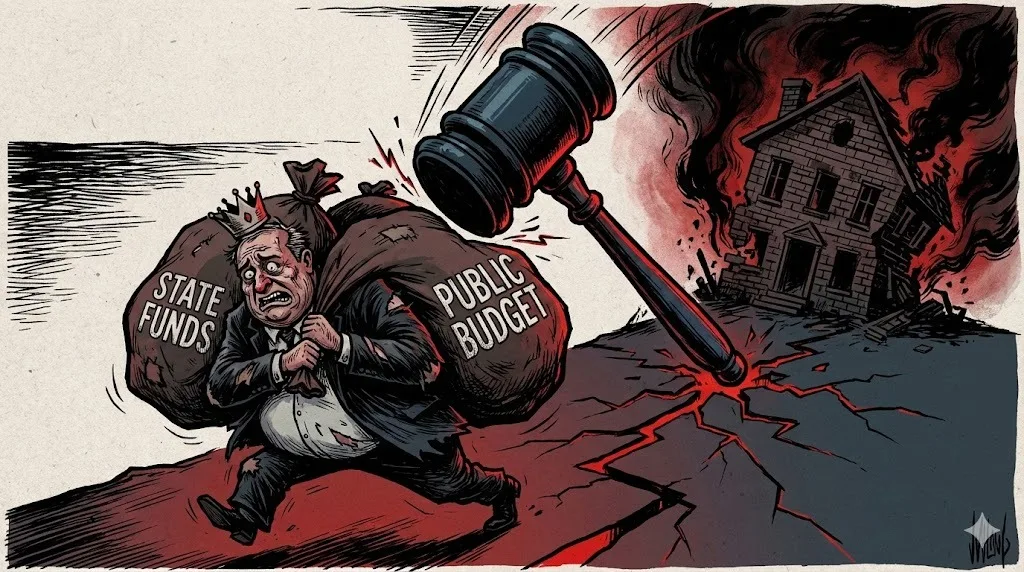
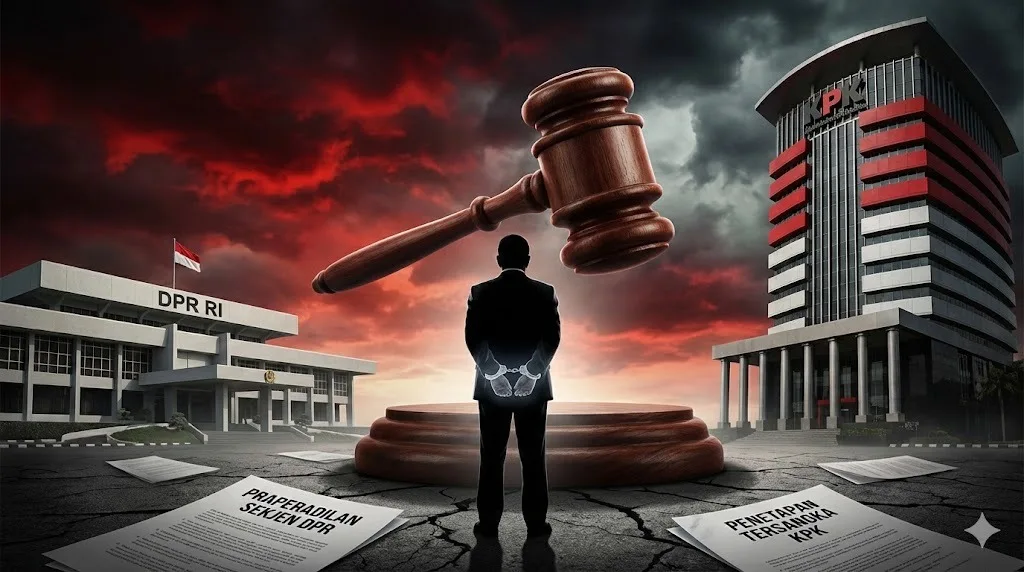
In the context of the reality that occurs in the legal world, even before the "Plea Bargaining" mechanism existed, the transactional practice of cases (buying and selling sentences) between the Defendant and Law Enforcement Officials was still rife. We can see together that there have been many cases of buying and selling sentences or cases carried out by defendants together with police officers, prosecutors and also judges. This shows that even before the "Plea Bargaining" mechanism existed, there were still many deviations, abuses and games between the Defendant and unscrupulous Law Enforcement Officials. Moreover, if this "Plea Bargaining" mechanism is implemented in the criminal justice system in Indonesia, where later in the process there will be negotiations (bargaining) which are legally valid between the Defendant accompanied by his Legal Advisor and the Public Prosecutor, then suspicions and concerns will arise among justice seekers who are greater because they see the opportunity for greater deviations, abuses and games through the "Plea Bargaining" mechanism.
In the end, the "Plea Bargaining" mechanism in the new Criminal Procedure Code is like a double-edged sword. On the one hand, it offers efficiency and legal certainty. On the other hand, it demands extra vigilance so as not to sacrifice the principles of justice and human rights. The biggest challenge does not lie in the concept, but in how the state ensures that this mechanism is used responsibly, fairly and oriented towards protecting the rights of citizens so that it is in line with the basic objectives of the law itself, namely Justice, Benefit and Certainty.
Criminal law reform must not stop at normative innovation. It must be accompanied by the moral commitment and professionalism of law enforcement officials. Otherwise, plea bargaining will only become a shortcut to justice that distances us from the main goal of the law itself: justice.



















Comments (0)
Write a comment