

Legal Literacy - Throughout 2024, Constitutional Court completed 158 petition judicial reviews of a law. This surge is not merely a legal statistic, but a strong signal that the public is increasingly questioning the policy-making process in Indonesia. At the same time, the younger generation is often excluded from decision-making spaces, even though they are the group that will bear the brunt of the policy impacts for the longest time. This topic was chosen because the participation of the younger generation is not only a social demand in the life of a democratic state, but also has an academic and juridical basis as part of the principle of the rule of law.
This situation creates a democratic paradox: public participation is glorified as a principle, but its practice often feels artificial. Protests, criticism in the public sphere, and judicial review of a law to the Constitutional Court become the last channels of correction when formal participation spaces do not work. The question is, why is the involvement of the younger generation still not a core part of public policy making?


The issue of public participation is not an abstract one. In the process of forming the Job Creation Law, a judicial review of a law stated that there was a formal defect due to the non-fulfillment of the principles of openness and meaningful public participation. The decision affirmed that national strategic policies can lose legitimacy when the process is closed, even if the substance is claimed to be in the public interest. [1]
A similar pattern re-emerged in the formation of the Criminal Procedure Code Law ratified on January 2, 2026. Various news reports and public discourses highlighted the minimal involvement of the public, including the younger generation, in the drafting process. In fact, the Criminal Procedure Code regulates the rights of citizens in the criminal justice process—an area very close to the experiences and future of the younger generation as legal subjects. [2]
The main problem with public policy making in Indonesia does not lie in the absence of participation, but in the quality of that participation itself. The younger generation is often presented as a symbol of legitimacy, not as an actor whose opinions are genuinely considered. This kind of participation not only weakens democracy, but also produces policies that are prone to being questioned and difficult for the public to accept.
Openness and Involvement of the Younger Generation in Policy Making
In a democratic rule of law, public participation should be interpreted as meaningful involvement from the early stages of policy formulation. The Constitutional Court has affirmed that public participation includes the right to be heard, to be considered, and to obtain explanations for the opinions expressed. Without fulfilling these three elements, participation risks becoming a mere procedural formality. [3]
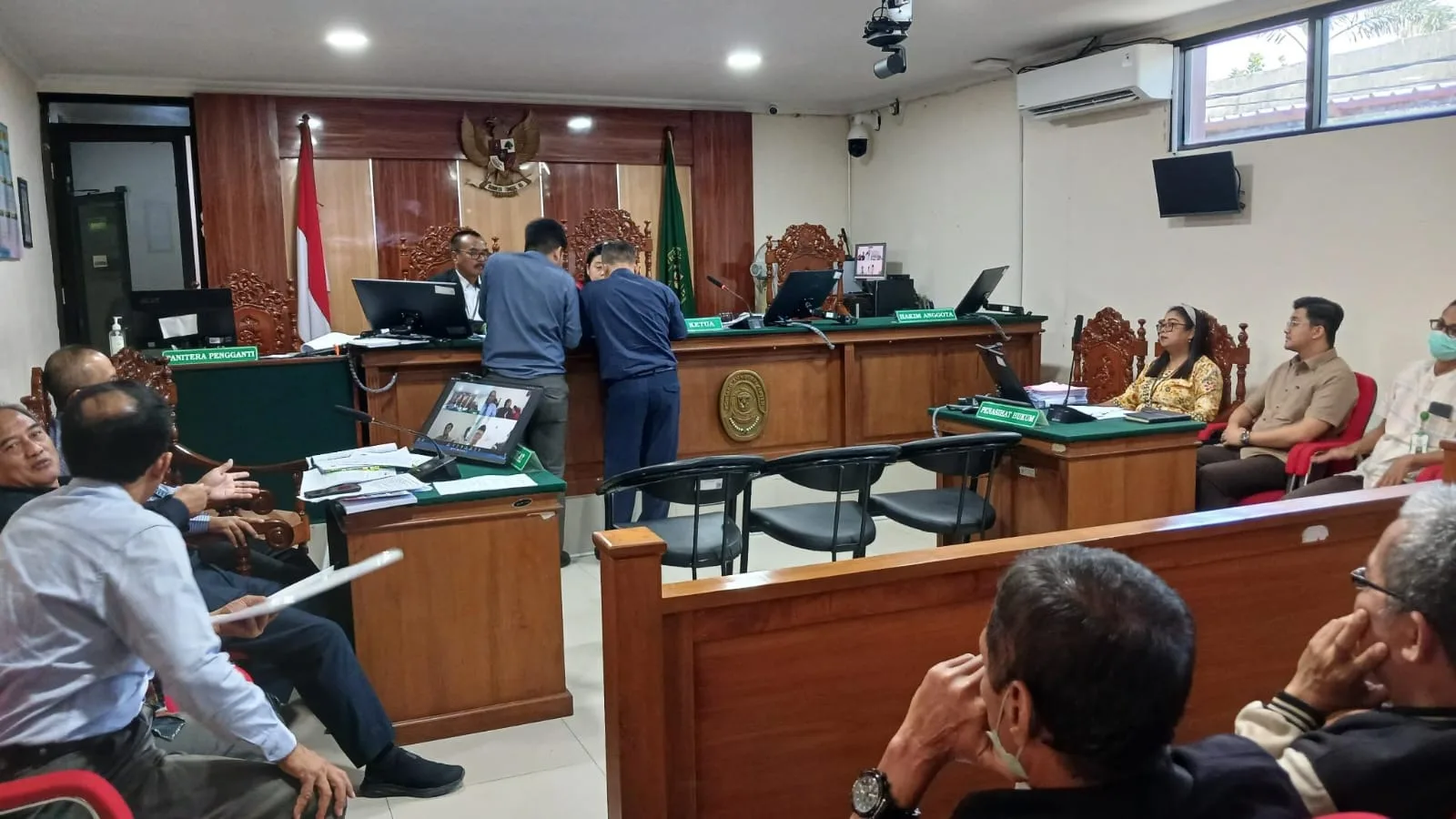
The high rate of judicial review of a law to the Constitutional Court reinforces this argument. In the period 2003–2021, there were 1,501 petitions for judicial review of a law submitted by the public. This data indicates that the issue of the quality of policy formation is structural, not incidental. When public participation fails to function upstream, legal conflicts arise downstream. [4]
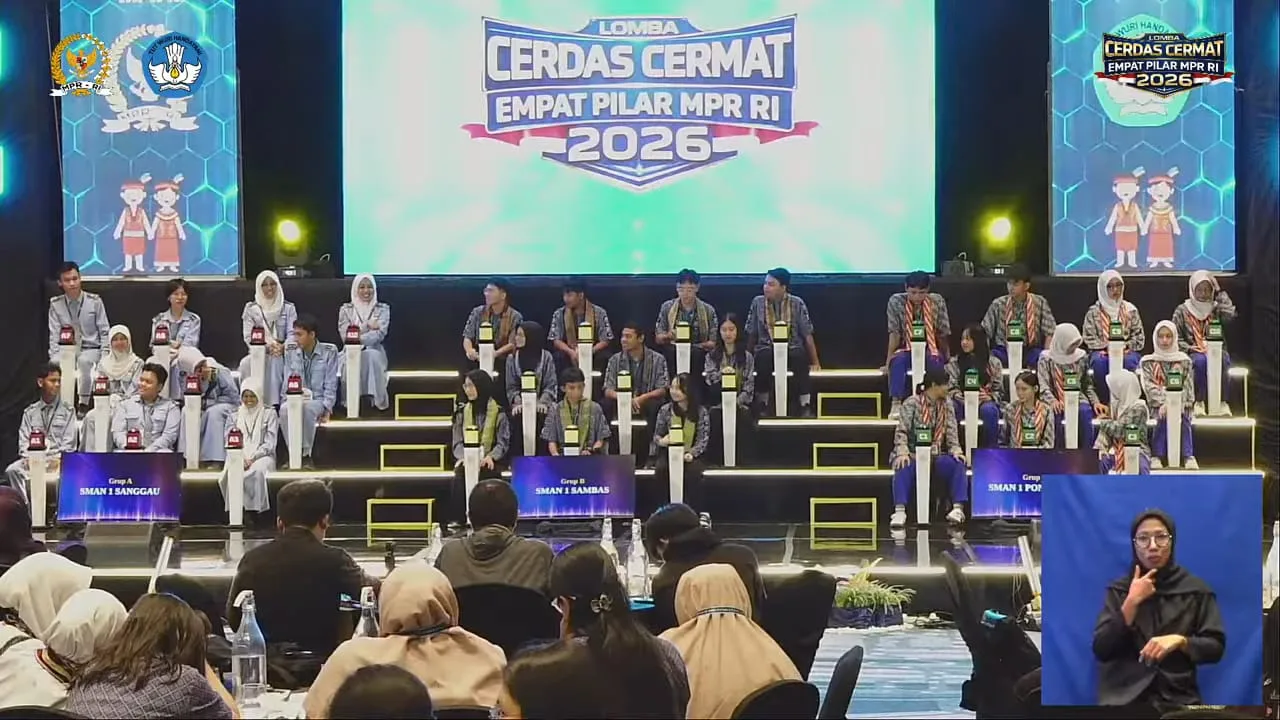
The Job Creation Law and the Criminal Code (KUHAP) cases show that the younger generation is not an apathetic group. The criticisms, protests, and expressions of objection that arise indicate a concern for the direction of public policy. Unfortunately, this critical energy has not been fully accommodated in inclusive and transparent policy formation mechanisms.
Public policy formation that excludes the participation of the younger generation is not merely a procedural defect, but a failure to read the future. The experience of the Job Creation Law and the enactment of the Criminal Code shows that policies born from closed processes tend to trigger rejection, judicial review of a law, and a legitimacy crisis. When the space for participation is narrowed, the state instead transfers conflict from the policy formulation table to the courtroom and the streets.
Ultimately, good public policy is not measured by how quickly it is passed, but by how fair its birth process is. If the younger generation continues to be treated as spectators, then the policies born today will only become legal problems in the future. However, when the younger generation is meaningfully involved, public policy is not merely a product of power, but a mutual agreement on the direction of Indonesia's future.
Therefore, future public policy formation must make the participation of the younger generation a standard, not an exception. The principle of openness is not enough to be understood as information disclosure, but must be realized in mechanisms that truly listen to, consider, and respond to public aspirations in a meaningful way. Without these changes, democracy will continue to run procedurally, but lose its substance.
















Comments
0Share your perspective politely, stay relevant, and focus on the article. Comments appear after moderation.
Join the discussion
Write a clear, polite response that stays on topic.
No comments yet. Be the first to discuss.
Comments will appear after moderation.