A year has passed since the inauguration of President Prabowo Subianto and Vice President Gibran Rakabuming Raka. Amidst the fanfare of campaign promises echoing the strengthening of the rule of law and the eradication of corruption without discrimination, the public placed hope, albeit slim, on fundamental improvements.
However, after twelve months, that hope proved to wither before it could blossom. Instead of witnessing strengthening, we are instead presented with a brutal regression. The evaluation of this one-year administration in the legal sector and corruption eradication cannot be concluded with any other word than:
law enforcement is just empty talk.
This government has completely failed to distinguish between rhetoric and action. Promises to strengthen law enforcement officials have remained mere jargon. In reality, what has happened is a systematic maneuver to use legal instruments for one purpose: consolidating power. This is a dangerous pattern.
Bad Signals: Stalled Asset Forfeiture Bill & Amnesty Discourse
The most blatant indicator of this stalled commitment is the fate of the Draft Law (RUU) on Asset Forfeiture. This bill should have been the ultimate weapon to impoverish corruptors. However, its discussion is stalled in the corridors of power.
The stalling of this bill is a very clear political signal: there is no political will to eradicate corruption to its roots. This government prefers to maintain the status quo that is comfortable for the oligarchs.
Worse than inaction, this government is actively moving in the opposite direction. Long before legal intervention, President Prabowo even floated the idea of amnesty for corruptors. This discourse, although packaged in the rhetoric of reconciliation, sends a fatal message that the orientation of this government is not justice, but transactional pragmatism.
justiceThe Peak of Intervention: Abolition of Tom Lembong and Amnesty for Hasto
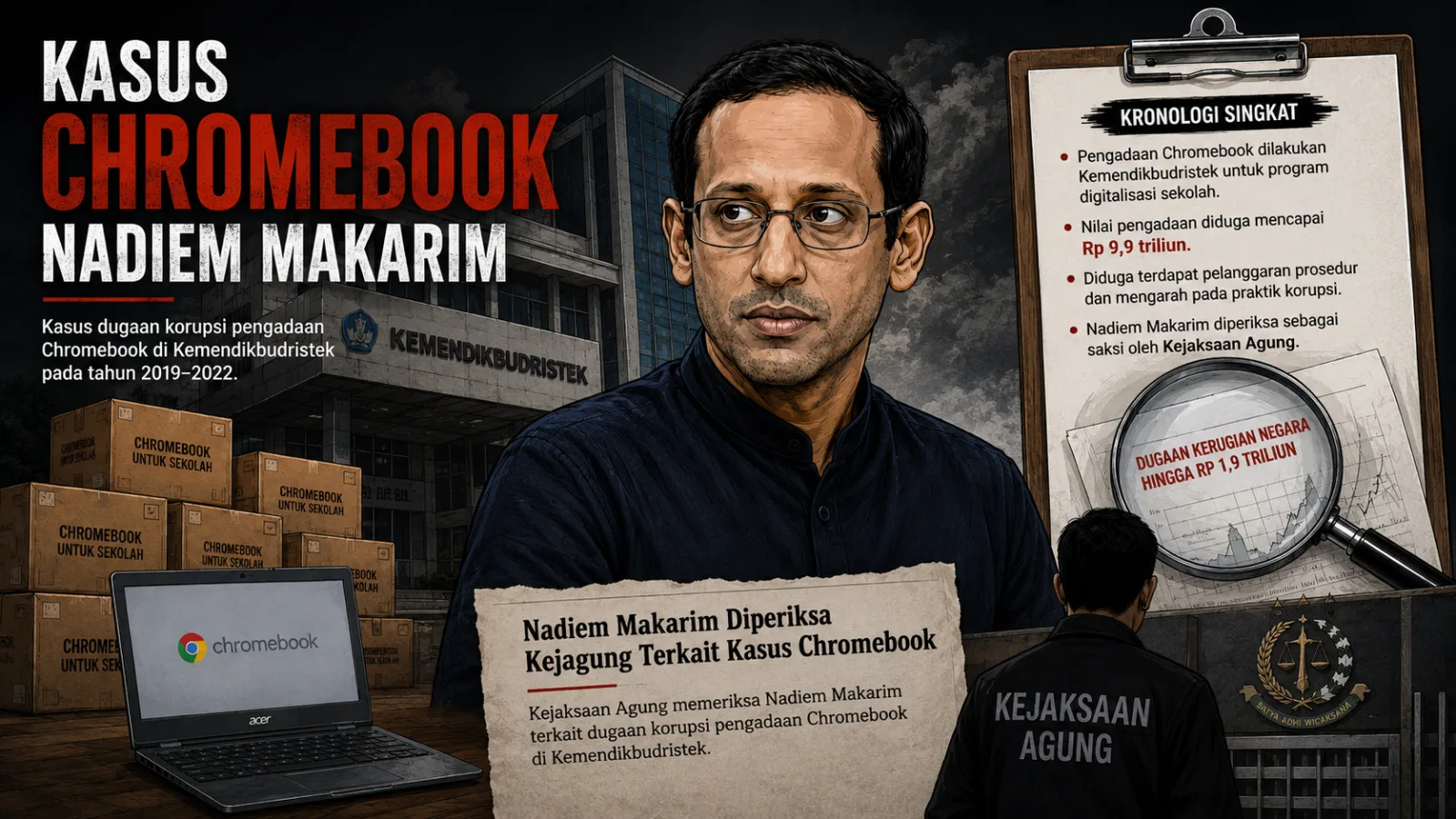
The peak of the weakening of the corruption eradication agenda is the President's direct intervention in the legal process. Prabowo Subianto made new history as the first President of the Republic of Indonesia to grant abolition and amnesty to defendants in corruption crimes.Abolition Recipient:
Amnesty Recipient:
- Hasto Kristiyanto (Secretary General of PDI Perjuangan), allegedly involved in the Harun Masiku bribery scandal. Juridical Analysis: Abuse of Prerogative Rights
- Constitutionally, granting abolition and amnesty is indeed the prerogative right of the president. However, the use of this right in ongoing corruption cases is an abuse that injures the public sense of justice.
Prerogative rights should be used for greater national interests, not to save individuals. Without a rational juridical explanation, the public has the right to suspect that this step is purely based on political considerations. Political Analysis: Alleged Amnesty Barter with PDIP Support
Apparatus Performance: Minimal Transparency and Failure of Police Reform
Analisis Politik: Dugaan Barter Amnesti dengan Dukungan PDIP
Kecurigaan ini menguat ketika melihat rangkaian peristiwa yang mengikutinya. Pemberian amnesti kepada Hasto Kristiyanto diduga kuat merupakan bentuk politik transaksional.
Dugaan ini bukan tanpa dasar. Hanya selang beberapa hari setelah amnesti diberikan, Ketua Umum PDIP, Megawati Soekarnoputri, secara terbuka menyatakan dukungannya kepada pemerintahan Presiden Prabowo.
Rangkaian peristiwa ini terlalu "kebetulan". Ini adalah demonstrasi vulgar dari politik "barter": kebebasan
hukum ditukar dengan dukungan politik. Perkara
korupsi yang seharusnya diselesaikan di meja hijau, kini diselesaikan melalui lobi politik di ruang tertutup.
The problem doesn't just occur at the elite level. At the implementation level, promises of improved performance by law enforcement officials have not yielded results.
Data from Indonesia Corruption Watch (ICW) notes that during October-December 2024 alone, there were 131 corruption cases handled. However, the handling of these cases lacks transparency. This proves that reforms in the Prosecutor's Office and the Police have not touched the substance.
Special focus should be given to efforts to reform the Indonesian National Police. The Prabowo-Gibran administration appears clueless and creates an absurd institutional dualism:
- Police Reform Commission (External): Consists of 9 people (civil society, officials, former National Police Chiefs) formed by the President. As of mid-October 2025, these nine commission members have not been appointed. This commission has become a "paper tiger".
- Police Reform Transformation Team (Internal): Filled by 52 high-ranking and middle-ranking officers formed by the National Police Chief, with a similar mandate.
The result is total confusion and overlapping authority. Without clear leadership from the President, police reform efforts will only become a budget-wasting program and limited to
gimmick.
Conclusion: Red Report Card for Law Enforcement
After one year, the Prabowo-Gibran administration's report card in the field of law is deep red. From the stalled Asset Confiscation Bill, vulgar intervention through abolition and amnesty, to the total failure of police reform.
All this evidence leads to one conclusion: the agenda of law enforcement and corruption eradication has been defeated by the agenda of consolidating power. The law has been made a political commodity. Campaign promises now sound empty, exactly like the title of this
opinion piece: just omon-omon.












Comments
0Share your perspective politely, stay relevant, and focus on the article. Comments appear after moderation.
Join the discussion
Write a clear, polite response that stays on topic.
No comments yet. Be the first to discuss.
Comments will appear after moderation.