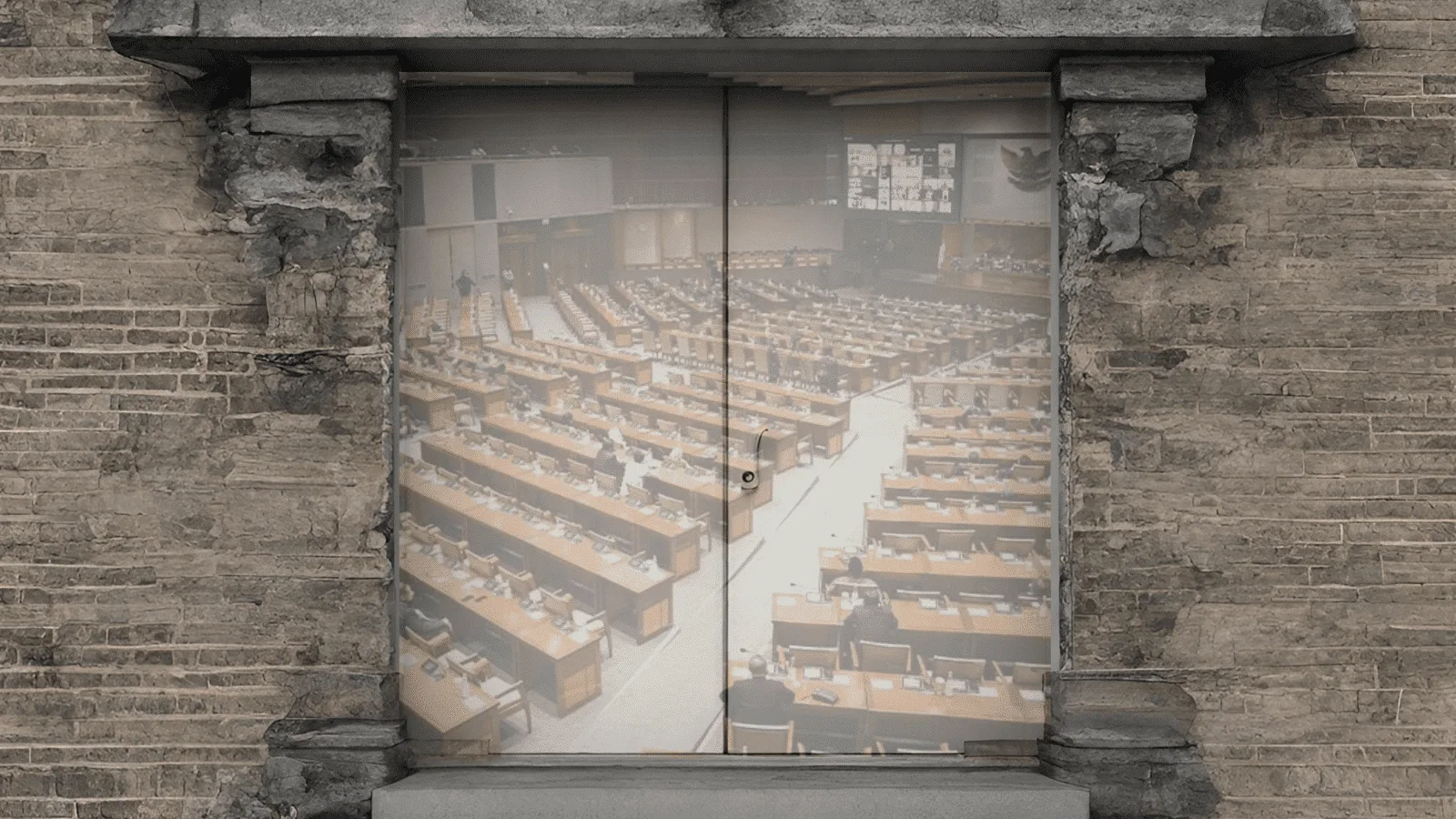
Legal Literacy - Parliamentary threshold is the minimum percentage of votes a political party needs to obtain seats in parliament, with the aim of strengthening partisanship and increasing political stability. This article discusses the benefits, challenges, and alternatives to the parliamentary threshold, including the proposed 1 percent threshold by Perludem. In determining the ideal threshold, it is necessary to consider the people's right to vote, the strength of the party system, and the effectiveness of governance. This article emphasizes the importance of understanding the political and social context before implementing a threshold.
Introduction
The parliamentary threshold is the minimum percentage of votes that a political party must obtain in order to gain seats in parliament. The implementation of this system aims to strengthen the party system, increase political stability, and encourage the formation of an effective government.



Benefits of the Parliamentary Threshold
- Strengthening the Party System:The threshold encourages the consolidation of political parties, resulting in larger and stronger parties. This can increase the accountability and effectiveness of parties in carrying out their functions.
- Increasing Political Stability:A system with a threshold can help reduce political fragmentation and produce a more stable government. With fewer parties, the policy-making process and coalition formation are expected to be easier and more efficient.
- Encouraging Effective Governance:With larger and stronger parties, it is hoped that the government formed will be more effective in carrying out its programs. This is because these parties have more adequate resources and infrastructure.
Challenges of the Parliamentary Threshold
- Limiting Political Diversity:The implementation of a threshold can limit the participation of small and minority parties in the political system. This can result in the under-representation of the interests of minority groups in the policy-making process.
- Weakening Democracy:A system with a threshold can weaken democracy by limiting the people's choices in electing their representatives. This is because the people's votes, which are split among small parties that do not reach the threshold, will be wasted.
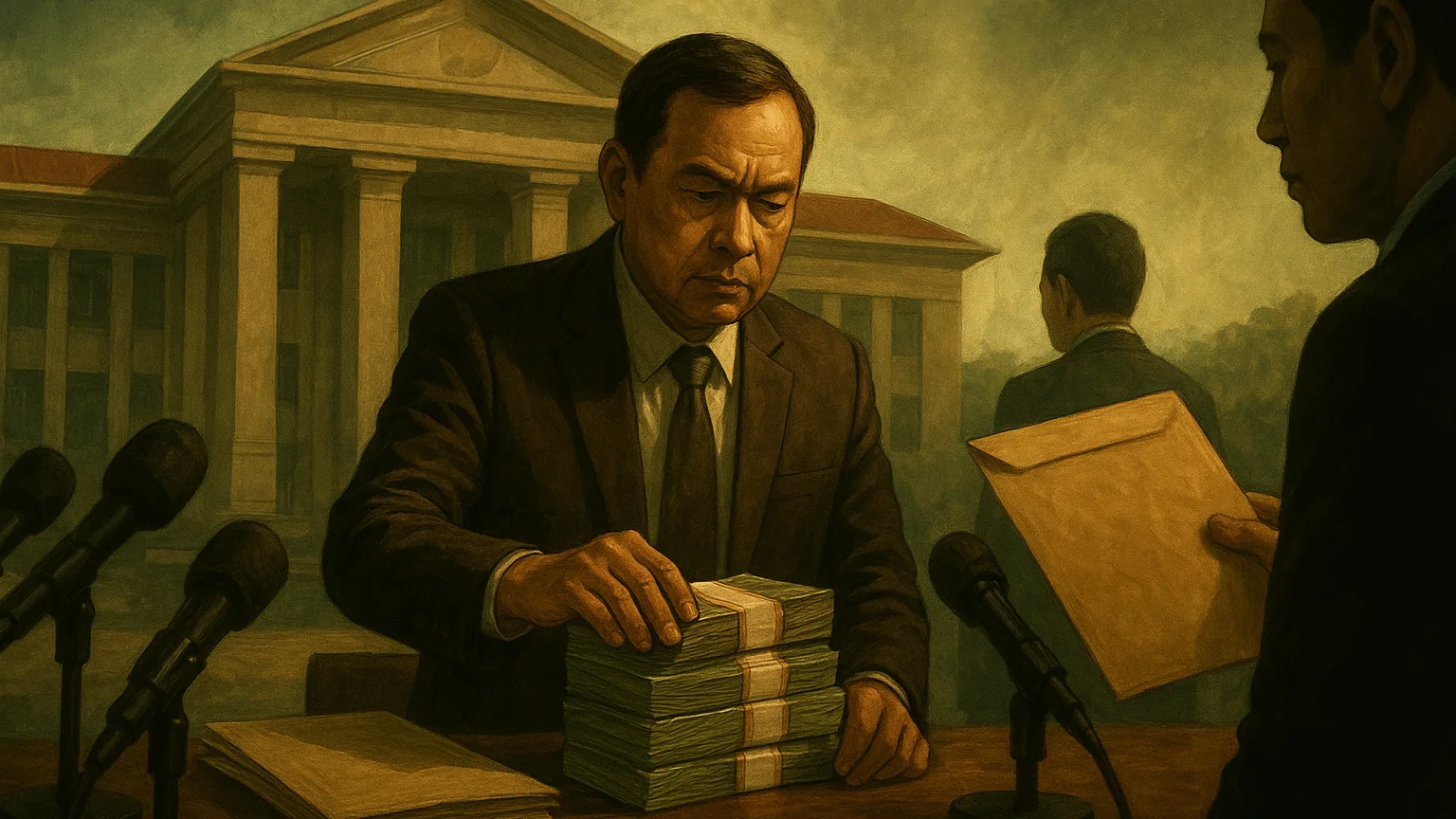
- Increasing Money Politics and Oligarchy:The threshold system can encourage money politics and oligarchy, because small parties will find it difficult to get seats in parliament without strong financial support.
Alternatives to the Parliamentary Threshold
- Closed Proportional System:This system gives parliamentary seats to political parties based on the proportion of votes obtained. This system allows small parties to get seats in parliament, but can result in a weak government due to the large number of parties involved in the coalition.
- Single District System:This system gives parliamentary seats to the candidate who gets the most votes in each electoral district. This system allows the people's voice to be represented more directly, but can result in political fragmentation and an unstable government.
History of the Parliamentary Threshold in Indonesia
In Indonesia, the parliamentary threshold was first implemented in 2004. Further details regarding the history of the implementation of the parliamentary threshold in Indonesia can be seen below:
- 1999 Election: There was no threshold. 48 political parties (parpol) obtained seats in the DPR (People's Representative Council).
- 2004 Election: The threshold was first implemented with a magnitude of 2%. 10 political parties obtained seats in the DPR.
- 2009 Election: The threshold was increased to 2.5%. 9 political parties obtained seats in the DPR.
- 2014 Election: The threshold was increased again to 3.5%. 10 political parties obtained seats in the DPR.
- 2019 Election: The threshold was increased to 4%. 9 political parties obtained seats in the DPR.













Comments (0)
Write a comment