

Does the Cancellation Have to Be Through the Court?
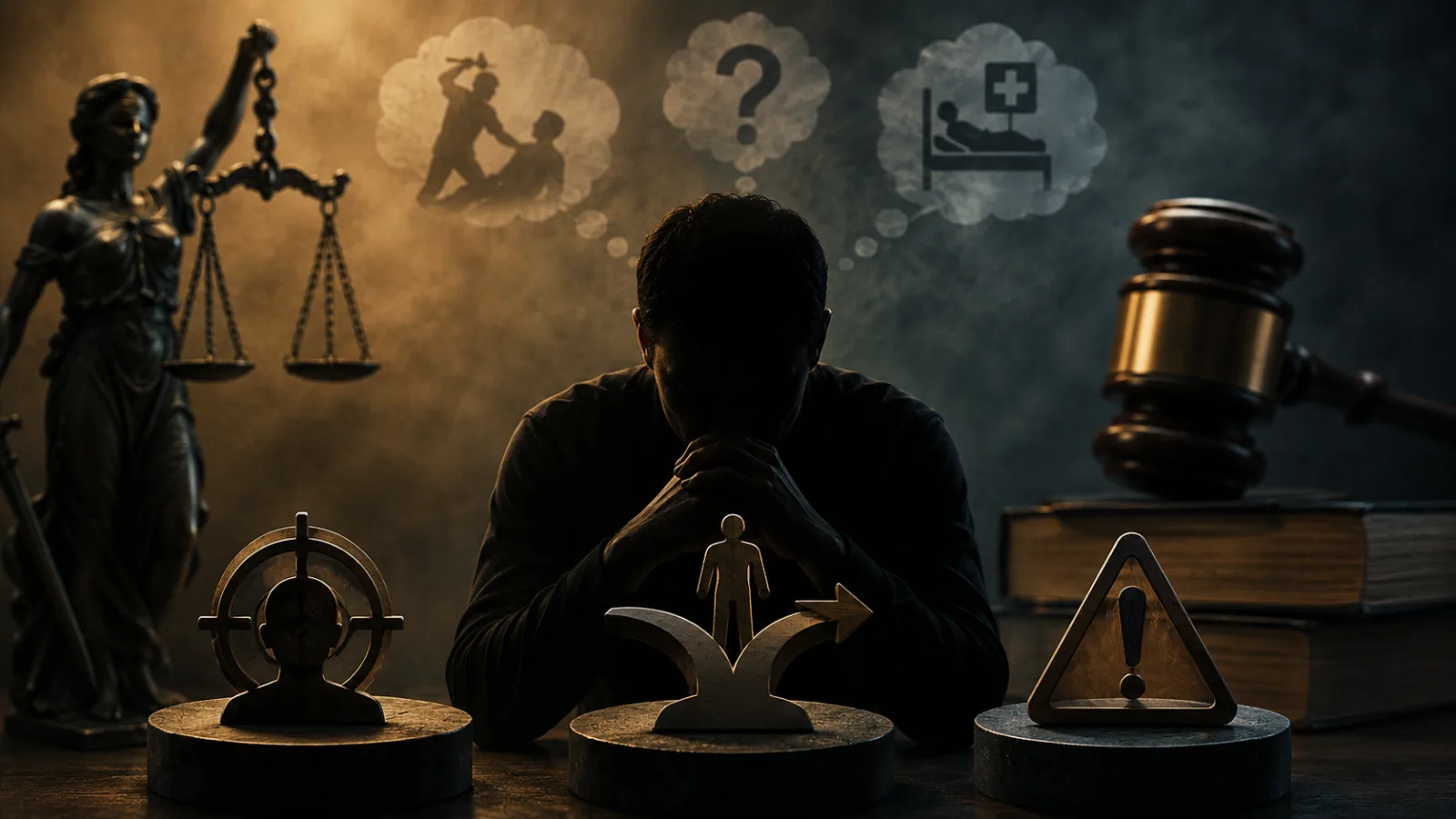
If an agreement does not meet the subjective requirements, the agreement can be canceled. In this case, one of the parties may request cancellation of the agreement. However, the agreement remains binding on both parties as long as it has not been canceled by a judge at the request of the party entitled to request cancellation, such as a party who is incompetent or who gives his consent involuntarily.
Meanwhile, if an agreement does not meet the objective requirements, the agreement is considered null and void. In this case, the agreement is considered to have never existed and no engagement is formed.


Therefore, an agreement containing an exoneration clause does not need to have a cancellation lawsuit filed to court, because the agreement is automatically considered to have never existed.
If a Helmet or Motorcycle is Lost in the Parking Lot, Who is Responsible?
Article 1694 of the Civil Code Civil Code states that a safekeeping service occurs when a person receives an item and agrees to store and return it in its original condition. According to Article 1706 of the Civil Code, parking safekeeping service providers are responsible for returning the deposited goods in their original or unchanged condition.
Based on the aforementioned regulation, parking lot operators are responsible for motor vehicles and their contents. Therefore, the loss of helmets or even motorcycles is the responsibility of the parking operator, and standard clauses and disclaimers stated on parking tickets cannot be used as a reason to release the parking operator from their responsibility.















Comments
0Share your perspective politely, stay relevant, and focus on the article. Comments appear after moderation.
Join the discussion
Write a clear, polite response that stays on topic.
No comments yet. Be the first to discuss.
Comments will appear after moderation.