

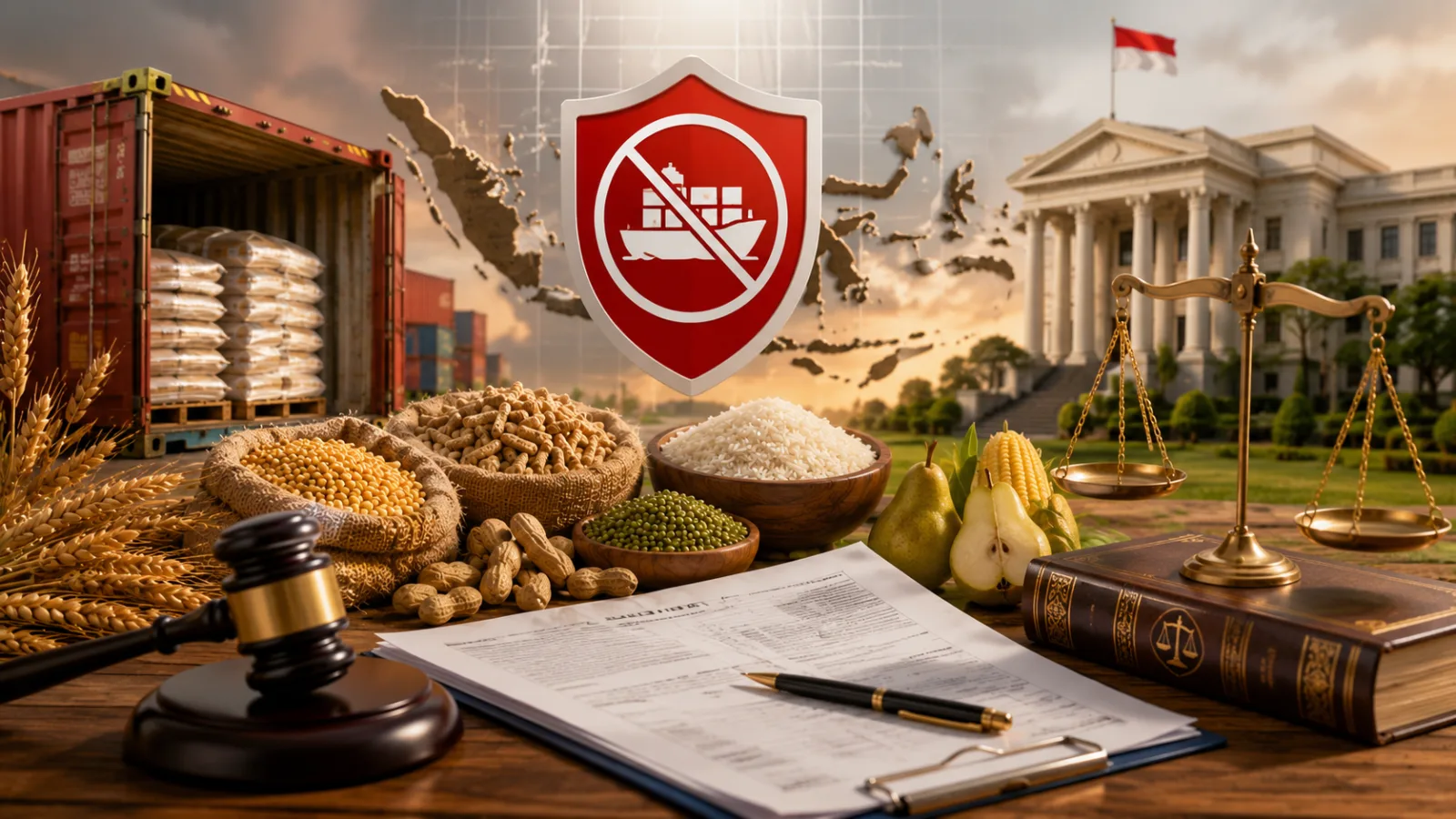
Legal Literacy - In the world of international trade, the existence of Customs is very important and significant. Business actors in trade to the general public certainly know that in international trade international or export or import trade of goods, there is something called customs or the institution that regulates it is called customs. This article discusses the Legal Provisions regarding the Value Limits of Goods Sent that are subject to Import Duty by Customs.
Understanding Customs
The following is the definition of customs from various sources:


- According to the Big Indonesian Dictionary, Customs is defined separately. Duty is tax, fee, cost. Meanwhile, customs means matters relating to tax. From the definition above, it can be concluded that customs is a tax fee or cost. Customs is very synonymous with wetlands for officials because every violation certainly has redemption in the form of large amounts of money.
- According to the Directorate General of Customs and Excise, customs has existed since the Dutch colonial era, the Dutch called customs douane. During the Majapahit era, customs was widely used by traders.
- According to Law Number 17 of 2006 concerning Customs, duty is a levy of a country imposed on every export and import item. Meanwhile, customs is a state levy imposed on goods that have characteristics or criteria that have been stipulated by laws and regulations.
- According to the Ministry of Finance, customs is a state levy that is paid according to the needs of the transaction which will later become our property again. Taxes can also be used to carry out public infrastructure development. Then, import duty is also referred to as a levy given to goods that are intended to protect similar goods on the domestic market.


















Comments
0Share your perspective politely, stay relevant, and focus on the article. Comments appear after moderation.
Join the discussion
Write a clear, polite response that stays on topic.
No comments yet. Be the first to discuss.
Comments will appear after moderation.