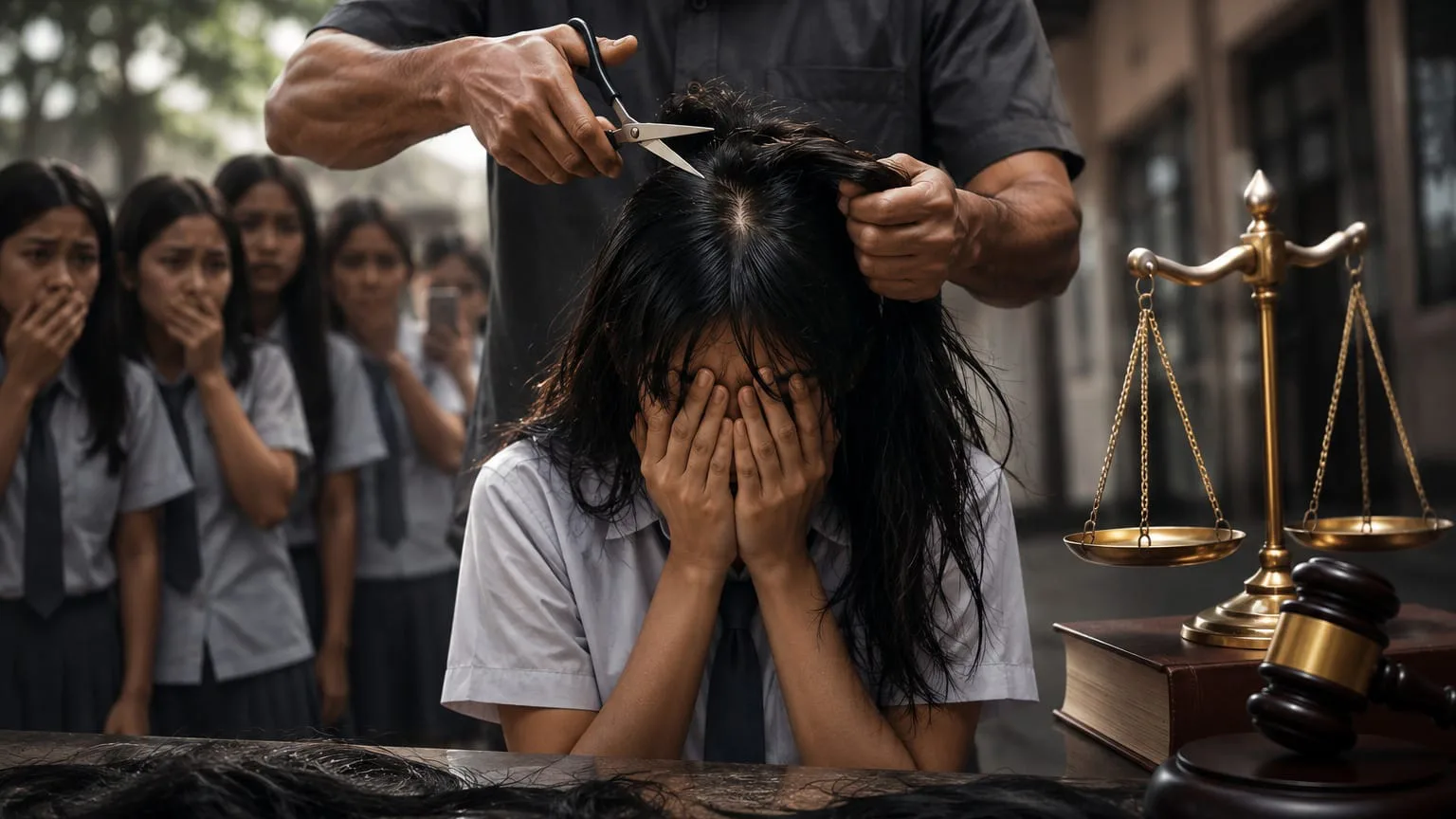
Legal Literacy - This article discusses legal protection efforts for children as victims of sexual abuse by educators, as well as prevention strategies that can be implemented by parents, education personnel, law enforcement officials, and the government in handling cases of sexual violence in schools.

Immoral acts continue to be committed by irresponsible individuals, especially in schools, with educators as perpetrators and students as victims. This article contains information about legal protection efforts for children as student victims of sexual abuse by educators, as well as efforts to prevent sexual violence in schools that can be carried out by parents/guardians, teachers/school authorities, law enforcement officials, and the government, taking into account current conditions.

Violence is an act against a person that causes physical, mental, sexual suffering, or neglect, including threats, coercion, or unlawful deprivation of liberty. Sexual violence is an act that degrades, insults, harasses, or attacks a person's body and reproductive functions due to unequal power relations and/or gender, which can cause physical or mental suffering, including disturbances in reproductive health. Some forms of sexual violence include discriminatory or physically harassing behavior or speech, touching, stroking, groping, holding, or rubbing a person's private body parts, taking, stalking, or distributing sexually suggestive photos or videos without consent, and persuading, promising, or offering unapproved sexual activities. Sexual violence also includes any form of coercion without sexual consent.

Sexual violence against children in schools is increasingly prevalent, as evidenced by the numerous reports of sexual relations between educators and students in electronic and social media. One such case occurred with a 12th-grade student from MAN 1 Gorontalo Regency, who was a victim of sexual relations with his teacher. According to AKBP Deddy Herman, the Gorontalo Police Chief, this case began with the victim being an orphan who received special attention from the suspect DH, which made the victim feel comfortable and regard DH as a father figure. The romantic relationship between the perpetrator and the victim was revealed through the confessions of the victim, witnesses, and the perpetrator since 2021. Brigadier Pol Jabal Nur from the PPA Investigator of the Gorontalo Police revealed that since 2023, the suspect DH began to take more extreme actions against the victim.

Advertisement
Read without ads.
Join Membership

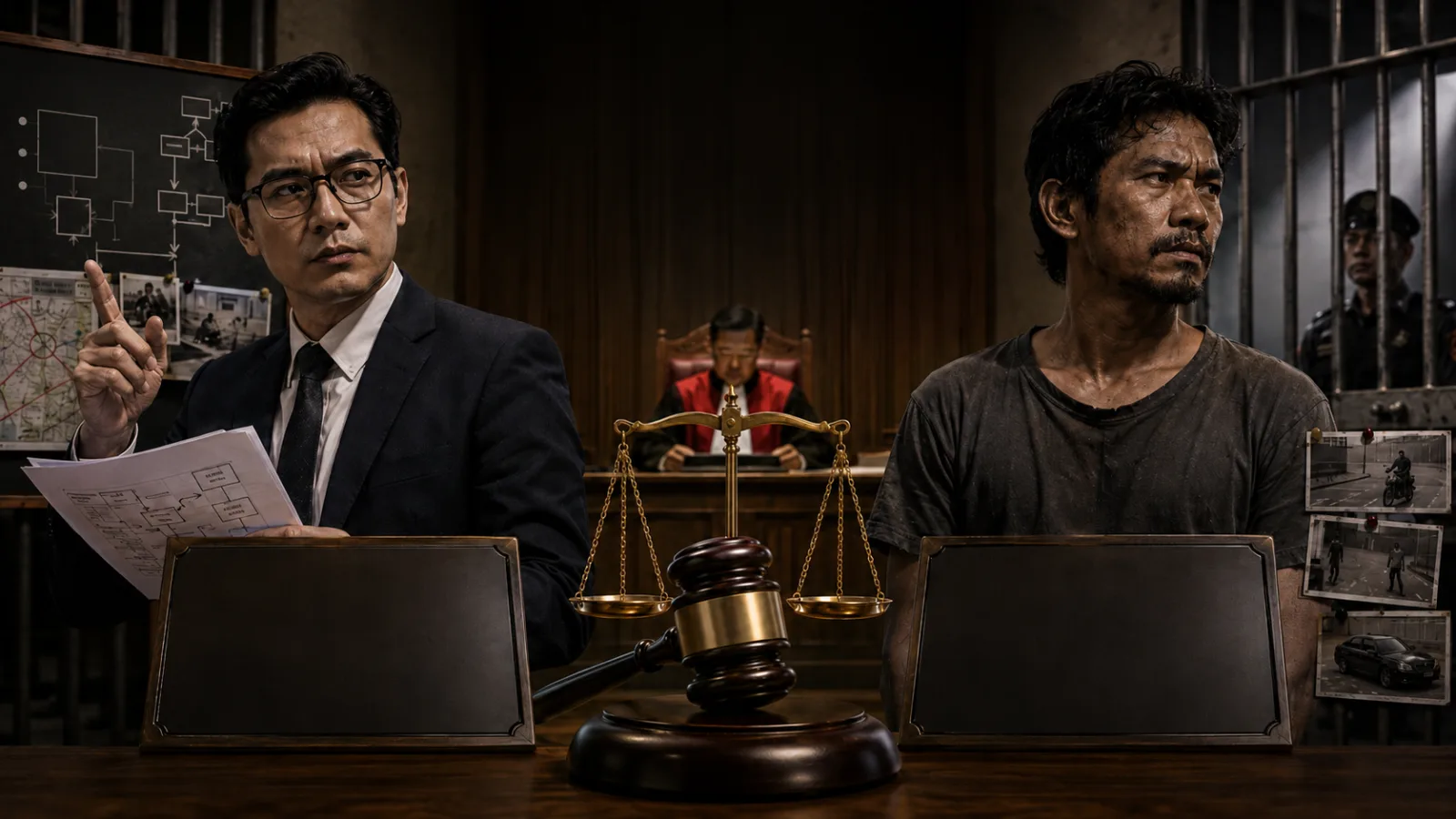
In January 2024, the suspect began to commit indecent acts against the victim, which subsequently caused the victim to experience trauma, fear, and shame. This case went viral, and the perpetrator was charged under Article 82 paragraph (1) and paragraph (2) juncto Article 76E Law No. 35 of 2014 concerning Child Protection, as well as Article 64 paragraph (1) of the Criminal Code. The suspect faces a maximum prison sentence of 15 years and a maximum fine of Rp5,000,000,000.00. In addition, according to Article 82 paragraph (2), the suspect faces an additional penalty of one-third of the criminal sentence because of their status as an educator.

Legal protection for children as victims of sexual violence is regulated in the Child Protection Law, which aims to guarantee and protect children so that they can live, grow, and develop optimally, as well as receive protection from violence and discrimination. This legal protection effort includes psychological and physical rehabilitation of the victim. Based on Article 59A of the Child Protection Law, victims of sexual crimes are included in the category entitled to special protection, such as a guarantee of safety during the growth and development process. Article 69A stipulates that special protection efforts can be carried out through:

Advertisement
Read without ads.
Join Membership
  1. Education about reproductive health, religious values, and morality;
  2. Social rehabilitation;
  3. Psychosocial assistance during treatment until recovery; and
  4. Providing protection and assistance at every stage of the examination, from investigation to trial.

Overall, the legal protection regulated in the Child Protection Law can be more effective if accompanied by prevention efforts by parents, educators, and the government. Parents can prevent sexual violence by providing early sexual education, maintaining openness with children, supervising children's daily activities, and teaching religious values. Educators can help through a curriculum that encourages positive behavior, working with local health services and the Women and Children Protection (PPA) to provide counseling, and forming a sexual violence task force in schools. The government also plays an important role by conducting visits and outreach about sexual violence in schools, as well as enforcing the law to provide a deterrent effect to perpetrators of sexual violence.