

Uncover how law impacts Indonesian society. Learn how legal regulations and cultural norms affect communities in this comprehensive guide.
In Indonesia, the legal system is strongly intertwined with social order and norms. From family to business regulations, laws often shape the way communities live and interact with one another. This guide explores how law impacts social order in Indonesia and how cultural traditions also affect its social structure.


Overview of the Legal System in Indonesia
The legal system in Indonesia is based on civil law, with a substantial Islamic law component. It incorporates aspects of traditional and modern laws from both national and international sources. The Constitution is the highest source of law, with statutes from the government playing an important role in regulating social order. Additionally, Islamic and local customary laws affect many aspects of life in Indonesia, including marriage rights and business regulations.
Many of the laws in Indonesia are designed to ensure that business activities, including those conducted by foreign companies, are ethically and morally sound. The Ministry of Law and Human Rights is responsible for issuing regulations related to the legal system, including codes covering administrative law, environmental protection, family law and international trade. One example of a legal code from this Ministry is the Regulated Environment Business Practices Act which aims to regulate employment contracts and corporate governance within businesses. Additionally, new policies have been introduced by the government in recent years in order to promote better human rights practices and address gender-based violence. Together, these examples demonstrate how Indonesia’s legal system works to uphold social order.
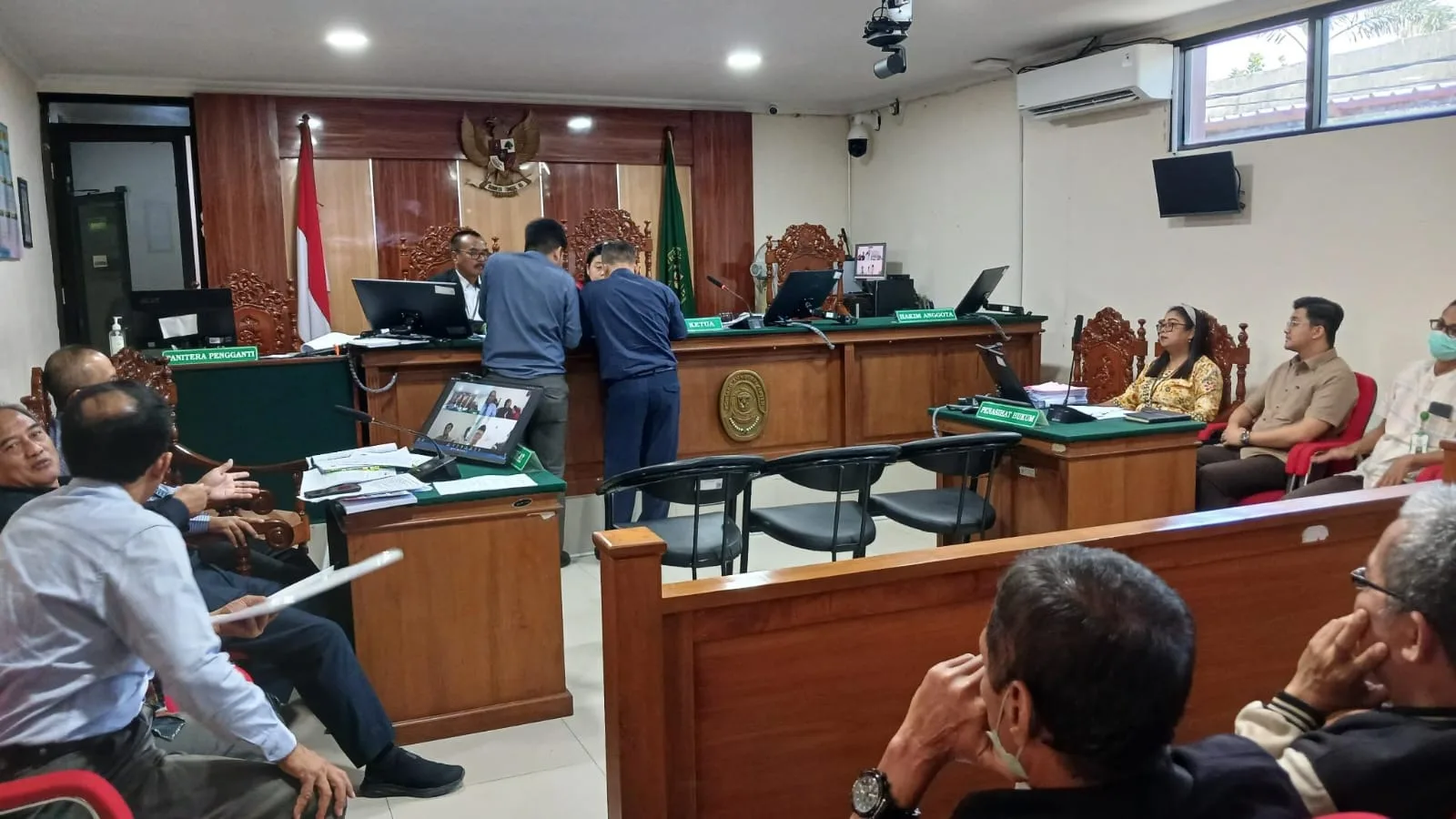
The legal system in Indonesian society is based on the Dutch civil code and applies different sets of laws for issues such as criminal litigation and commercial law. For instance, Indonesian criminal law requires prosecutors to prove a defendant’s guilt beyond a reasonable doubt, whereas civil law proceedings are based on the preponderance of evidence. The Indonesian legal system also follows Islamic Law (known as Syariat) which is applied in family-related matters such as marriage, divorce, and inheritance. Furthermore, numerous non-governmental organizations including Transparency International have aided in shaping legislation and providing access to justice assistance. Thus, there is an intricate relationship between the legal system and social order of Indonesia.
While the legal system in Indonesian society has made efforts to promote and enforce democratic values, many challenges remain in terms of equal access to justice. For instance, defendants without legal representation or who lack adequate financial resources are often unable to adequately present their side of the case.
Additionally, bribery and corruption remain widespread in both public and private sectors. In response, the Indonesian government has implemented reforms, such as introducing special anticorruption courts and independent agencies such as the Corruption Eradication Commission (KPK) tasked with improving transparency and accountability. As a result of these measures, trust in the legal system is beginning to improve; however, there is still significant room for improvement in terms of access to justice, especially when it comes to protecting vulnerable individuals’ rights.








Komentar
0Bagikan perspektif Anda secara sopan, relevan, dan fokus pada isi artikel. Komentar tampil setelah moderasi.
Ikut berdiskusi