

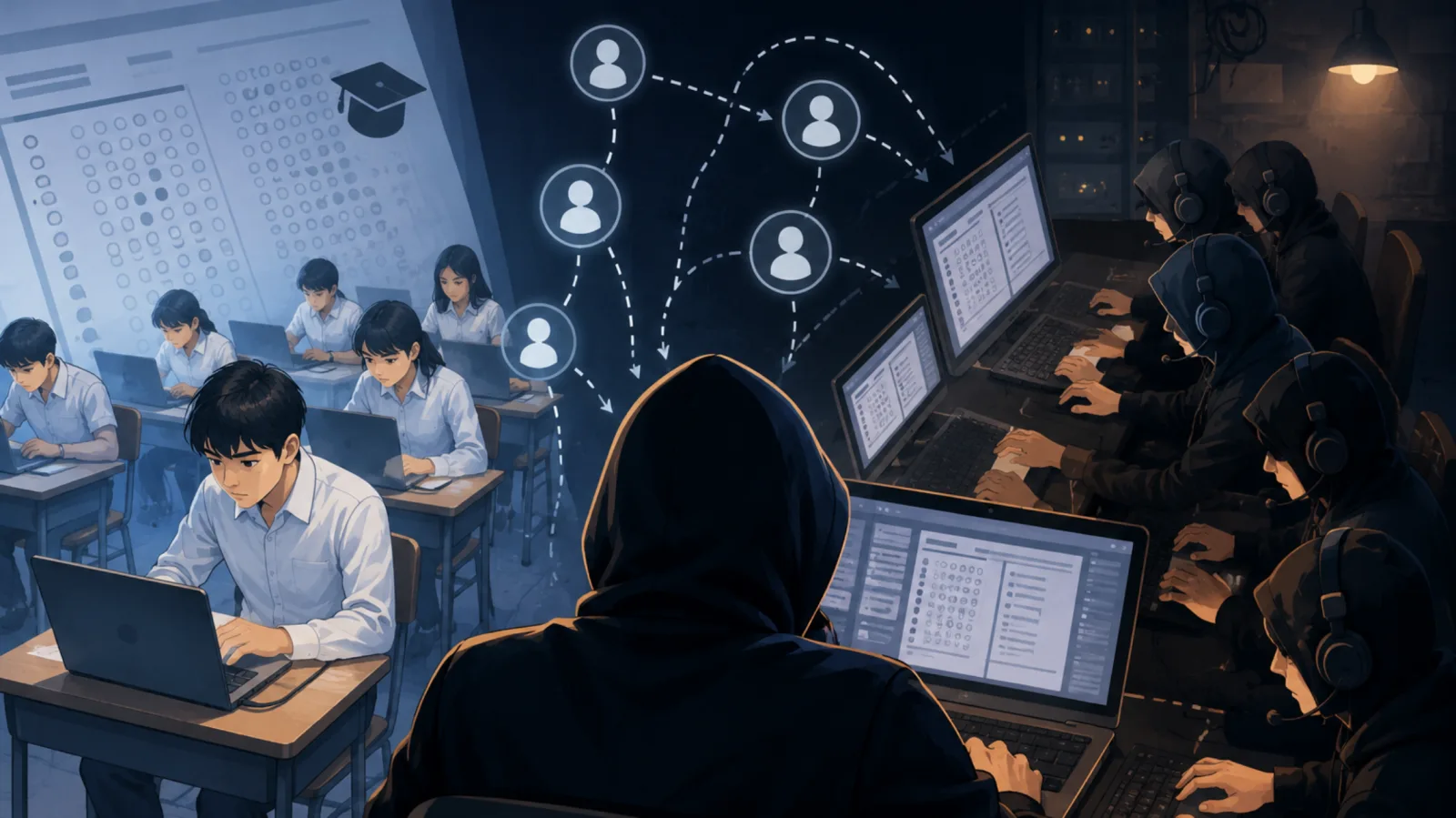
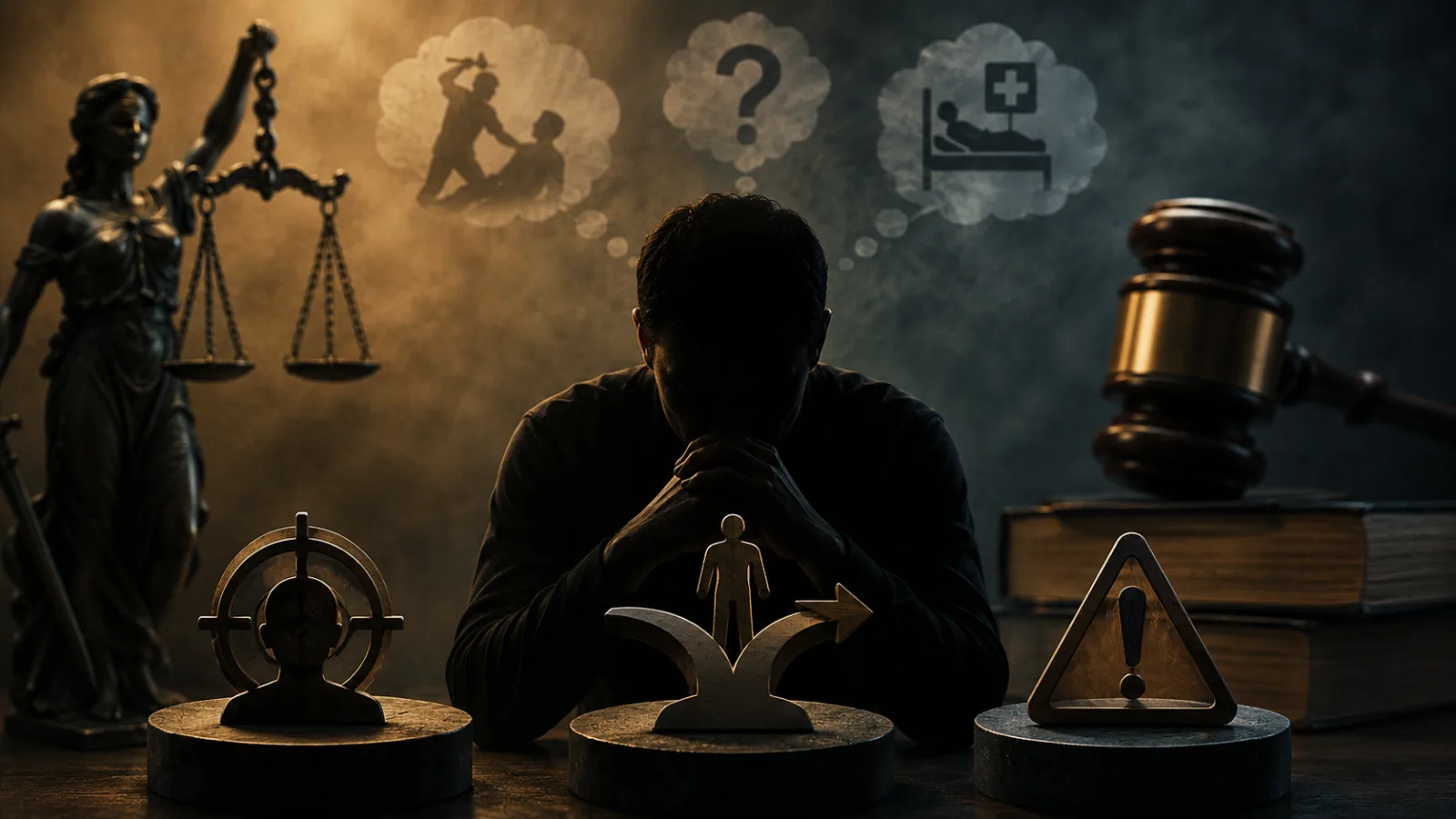
Legal Literacy - The academic world today faces a fundamental test: does an academic degree still signify an accountable intellectual process, or merely the ability to operate an algorithm? In one hour, a Generative-AI system can produce a 4,000-word manuscript that appears original but without a single intellectual process that can be personally accounted for by a human. This phenomenon is not merely a technical problem of assistive tools, but a systemic threat to the integrity of creators and the dignity of educational institutions. We are now faced with "non-human plagiarism," a condition in which text is born without deep dialectics of thought, but is polished in such a way as to escape the traps of outdated rules that are no longer compatible with the reality of digital disruption.
Non-Human Plagiarism and Administrative Detection Failure
Imagine a scenario that is now increasingly haunting thesis examination rooms: a student submits a hundred-page manuscript with a neatly arranged writing style. Text similarity detection machines like Turnitin give the green light with a score below 5 percent—a figure that is administratively considered "very clean." However, during the question and answer session (viva voce), the student fails to explain the reasons for choosing the methodology or the logic behind a very complex legal argument in his manuscript. It turns out that the manuscript is the result of a series of clever prompts on a Generative-AI model. Formally, he did not "steal" anyone's work because this technology produces new text based on statistical probability, but essentially, the student has become a "process plagiarist" who committed massive fraud. This gap between administrative success and substantive failure is what our law has not been able to bridge at this time.













Comments
0Share your perspective politely, stay relevant, and focus on the article. Comments appear after moderation.
Join the discussion
Write a clear, polite response that stays on topic.
No comments yet. Be the first to discuss.
Comments will appear after moderation.