

Legal Literacy - Law, in its various forms and manifestations, is one of the fundamental pillars of modern society. It serves as a guide, a control tool, and a conflict resolution mechanism. However, a frequently asked question is: for whom and by whom does the law exist? This question is not only philosophical but also practical, as the answer directly impacts how the law is enforced, accepted, and interpreted in society. This article will critically examine these two questions, aiming to provide a deeper understanding of the essence and purpose of law.
Origin and Function of Law
Law is a system of rules created and enforced through social or governmental institutions to regulate behavior. The origin of law can be traced back to ancient times, where the first civilizations began to establish rules to govern their collective lives. In this context, law functions to create order and prevent chaos.


However, as times evolve, the function of law becomes more complex. Law not only functions to maintain order but also to ensure justice, protect individual rights, and facilitate social change. Therefore, understanding for whom the law exists must consider these various functions.
For Whom Does the Law Exist?
1. Law for Society
Basically, law is made for society. Law exists to serve the public interest, ensuring that every individual can live in a safe and orderly environment. In this context, law aims to protect individual rights, both civil and political rights.
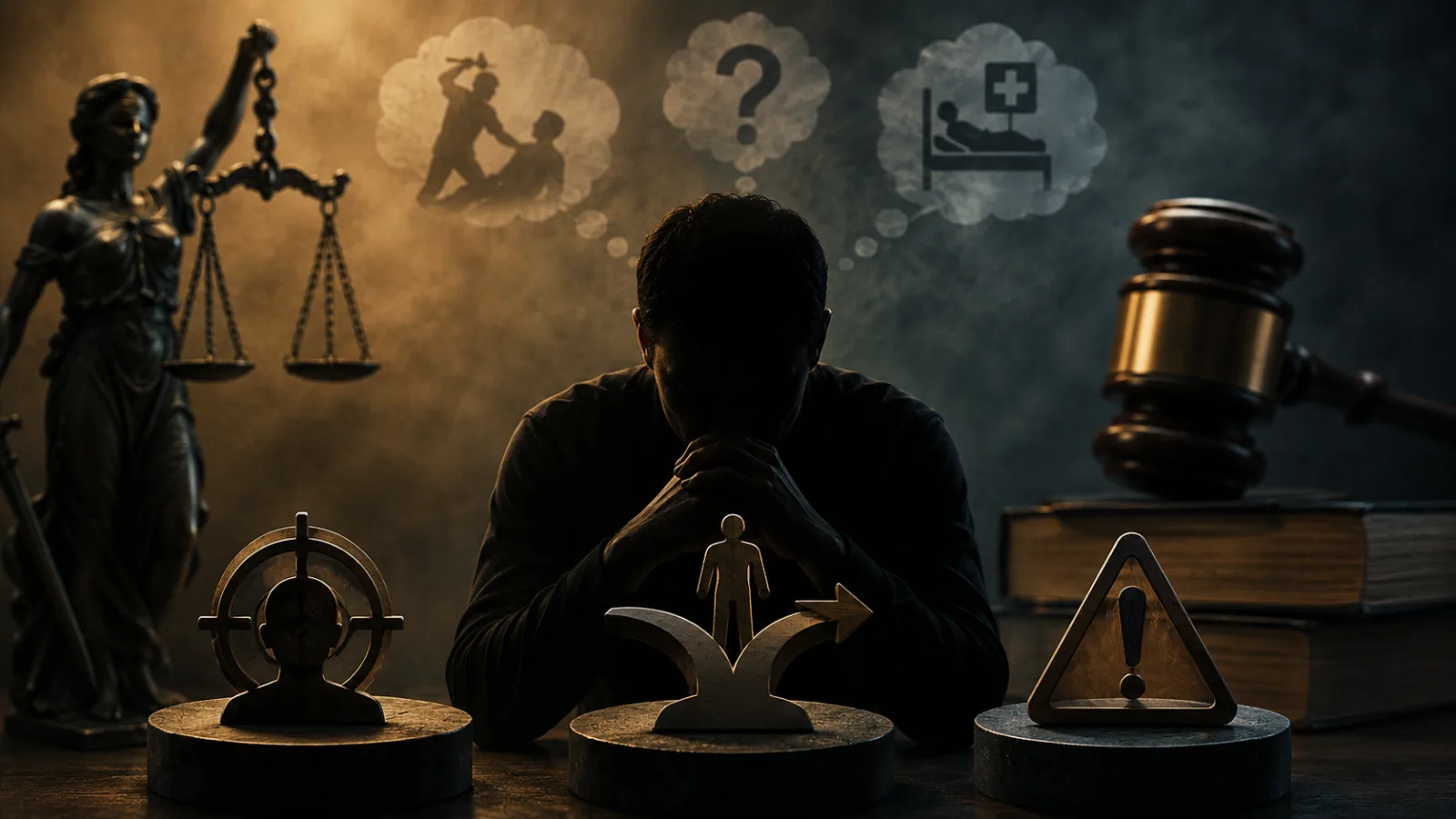
However, the question often arises whether the law truly serves all levels of society fairly. In many cases, the law tends to favor those with power and resources. For example, in the criminal justice system, individuals from lower social classes often experience harsher treatment compared to those from higher social classes.






















Comments
0Share your perspective politely, stay relevant, and focus on the article. Comments appear after moderation.
Join the discussion
Write a clear, polite response that stays on topic.
No comments yet. Be the first to discuss.
Comments will appear after moderation.