On the other hand, the complexity of this tax system is also feared to encourage small traders to return to the informal path to avoid confusing administrative burdens. This is certainly contrary to the government's efforts to expand the tax base and encourage the digitalization of MSMEs. Instead of increasing tax compliance, a complicated system could widen the gap between small business actors and access to formal facilities. If the government wants to create an inclusive digital trade ecosystem, then tax policies should not only be oriented towards state revenue, but also pay attention to the adaptive capacity of small business actors.
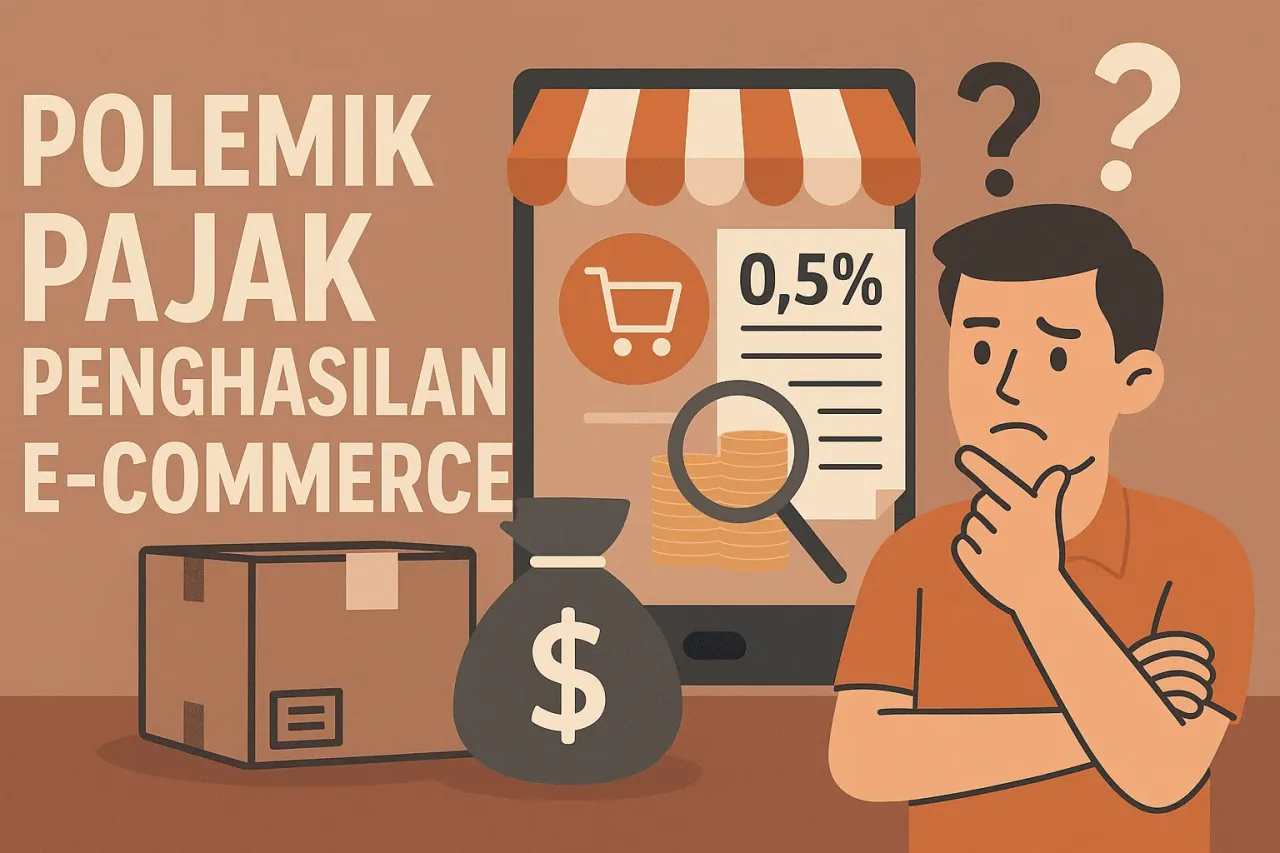
E-commerce Tax Targets SMEs: Who Benefits, Who Loses?
E-commerce tax requires SMEs to pay 0.5% income tax on turnover. This policy expands the state's tax base, but has the potential to increase the administrative burden.
Opinion Note
This opinion article was written by a contributor/columnist. The views expressed are entirely the responsibility of the author and do not necessarily represent the views of the editors.
CONTRIBUTOR PROGRAM
You can become a columnist at Legal Literacy.
Submit your legal opinion/analysis writing. If it is published, you have the opportunity to obtain a payout/honorarium in accordance with the provisions.
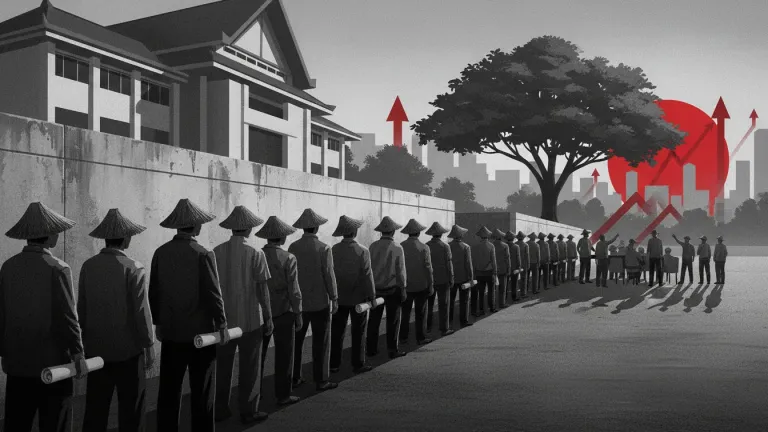
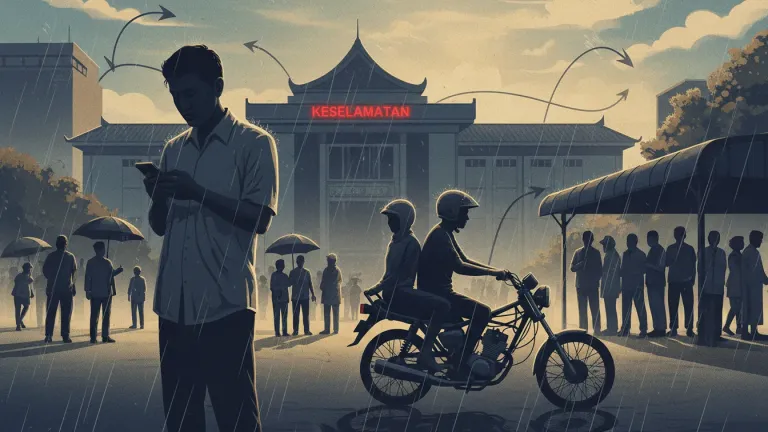
In fact, if referring to the mandate of the constitution, Article 33 paragraph (1) of the 1945 Constitution clearly states that the economy is structured as a joint effort based on the principle of kinship. This spirit mandates that the state always side with small and medium economic actors, not burden them fiscally. Data from the Coordinating Ministry for Economic Affairs shows that MSMEs contribute around 60 percent to Indonesia's Gross Domestic Product (GDP), with a value reaching around Rp9,580 trillion in 2023. In addition, MSMEs also absorb up to 97 percent of the national workforce or around 117 million people. This figure confirms that MSMEs are not just complementary, but the backbone of the national economy. With such a large contribution, digital tax policies should favor strengthening the resilience of small business actors, not burdening them with complex collection systems that risk adding bureaucratic burdens.The next problem lies in the collection basis which refers to turnover, not net profit. Consequently, taxes are still imposed even if the trader does not make a profit or even suffers a loss. In practice, digital business actors also face various deductions from the platform, such as service fees, discount obligations, and advertising commissions. On Tokopedia, for example, service fees for a number of product categories can reach 10 percent. If a trader has a turnover of Rp500 million per month, then Rp50 million must be allocated only for service fees, not including tax deductions. This situation creates a real double burden. Traders who are unable to follow the promotion algorithm will be marginalized, while at the same time they are still required to pay taxes even though their profit margin is very thin. If offline sellers often face illegal levies from individuals in the field, digital business actors today are actually subject to official levies by the state. The difference is that one violates the law, while the other is regulated by law.Imposing taxes based on turnover without considering profit margins or the administrative capacity of small traders risks creating structural inequality between large business actors and MSMEs. This scheme could hit small players who are actually the main drivers of the digital economy from below. The government needs to review the mechanism and parameters for collecting Income Tax e-commerce to be fairer and more proportional. Without proper correction, this policy not only violates the spirit of the constitution, but also damages the rapidly growing digital trade ecosystem.
Support
• Indonesian Legal Literacy
Read more comfortably, while supporting literacy.
Join Membership or submit your article for publication.
Membership
Read without ads, focus more, and access premium features.
Submit Article
Submit your writing—we curate and help publish it. If it is published, you have the opportunity to earn points/payouts according to the terms.


















Write a comment