

Legal Literacy - Indonesian Migrant Workers (PMI) are often referred to as foreign exchange heroes, but the reality on the ground shows that they are more like pawns in a wireless transnational crime chessboard. In this era of digital disruption, threats to PMIs have evolved from conventional physical violence to highly systematic virtual exploitation, or what we know ascyber trafficking. As a law graduate who studies regulatory research, I see that the state is experiencing a structural "technology gap" in protecting its citizens.
Anatomy of Modern Slavery: Cyber Slavery in Virtual Space
Cybercrime has redefined the meaning of human trafficking. If illegal recruitment used to be carried out through brokers in villages, now international syndicates only need to use social media algorithms to ensnare victims. The phenomenon of cyber slavery in Cambodia, Myanmar, and Laos is not just an ordinary labor issue; it is an insult to the sovereignty of citizen protection.


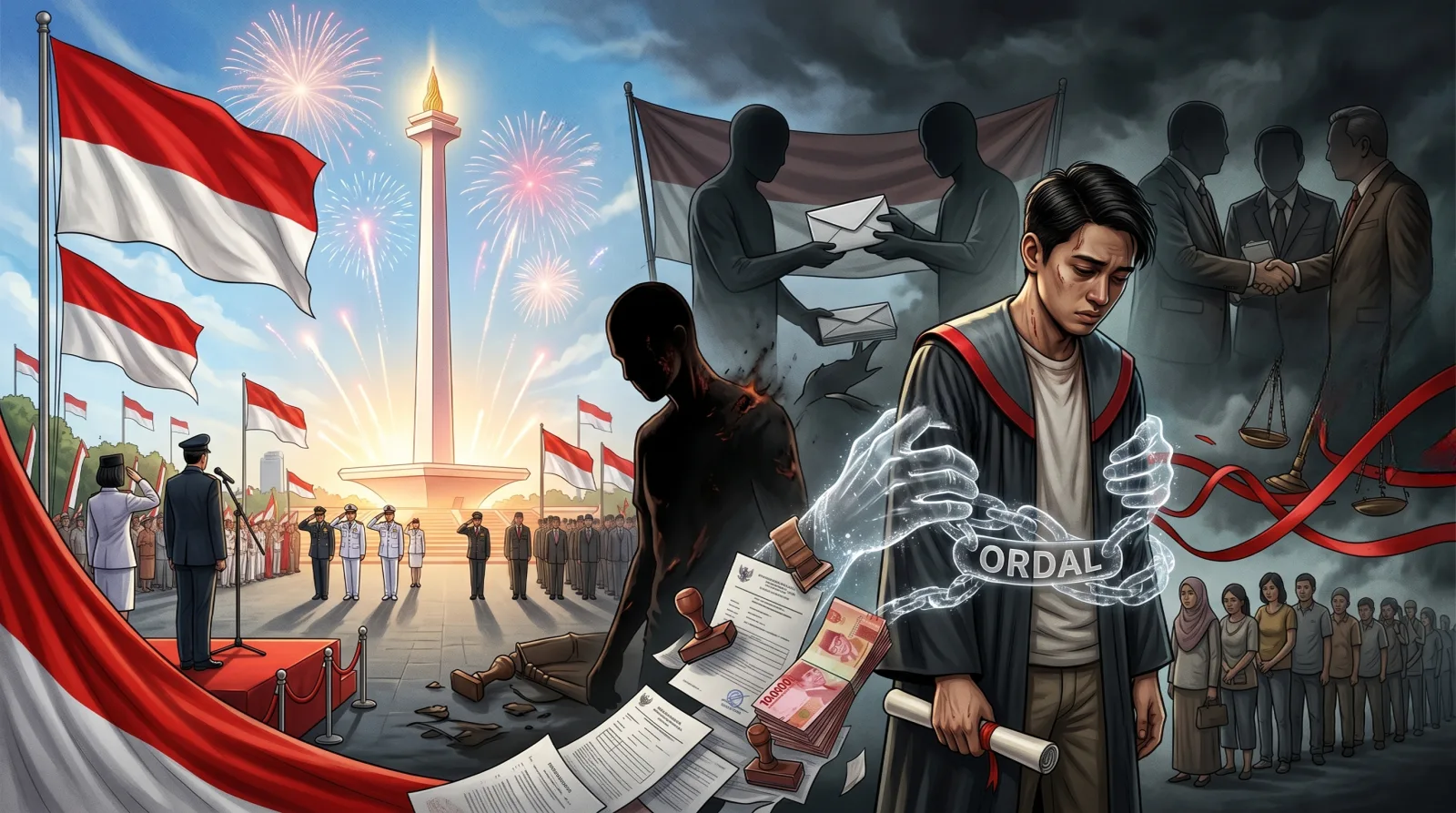
The victims were trapped in the sweet promise of job vacancies as customer service with fantastic salaries, but in reality, they were forced to become digital slaves in online fraud centers (scam centers). They were mentally and physically tortured if they failed to meet fraud targets. Sadly, this exploitation is initiated, run, and controlled in the cyber space of a domain that until now remains a "blind spot" in Indonesian legal oversight.


















Comments
0Share your perspective politely, stay relevant, and focus on the article. Comments appear after moderation.
Join the discussion
Write a clear, polite response that stays on topic.
No comments yet. Be the first to discuss.
Comments will appear after moderation.