
Indonesia is often dubbed an agrarian country due to its natural wealth, but behind this title lies a great irony. Based on data from theGlobal Hunger Index (GHI) 2024, Indonesia's hunger level is at 16.9, which falls into the "moderate" category. Although improving, the disparity between surplus production in some regions and access to food in other regions remains a significant gap in our food law system.
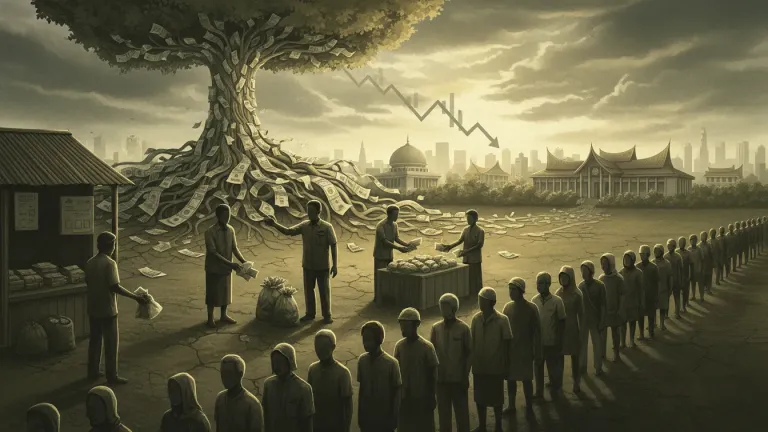
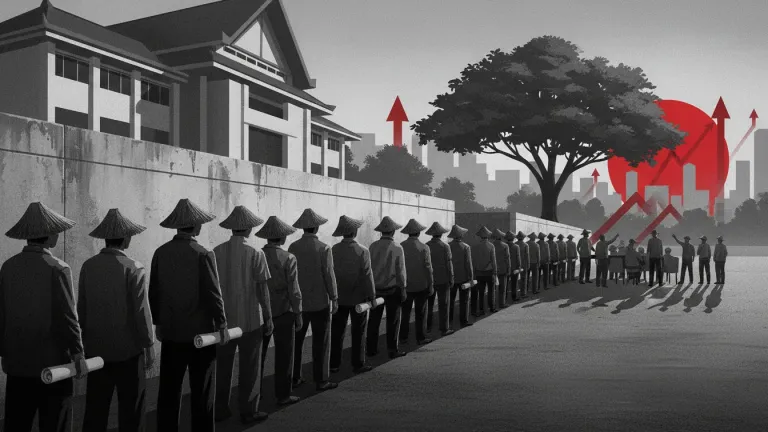
This injustice is not merely a technical agricultural problem, but rather the result of agrarian policies that often favor capital accumulation over the people's food sovereignty.


The Paradox of an Agrarian State and the Threat of Food Insecurity
Although the agricultural sector contributes approximately 12.5% of the national GDP, Indonesia's food stability is still fragile. Data from the Central Statistics Agency (BPS) shows that the number of people vulnerable to food insecurity is still significant, especially in the eastern region. Ironically, the prevalence of undernourishment (PoU) often occurs in rural areas that are the base of primary production.
Juridically, Law Number 18 of 2012 concerning Food defines food sovereignty as the right of the state and nation to independently determine food policies. However, dependence on the global market remains high. In 2023, Indonesia recorded a record rice import of 3.06 million tons, a drastic increase from the previous year. This indicates that our food law is still reactive to the market, rather than protective of domestic production.



















Write a comment