

Legal Literacy - This article discusses the political phenomenon of horse-trading in the context of elections, where power is seen as a commodity that can be traded for political gain. The author outlines how the election process, which should be a stage for the people's aspirations, often turns into an arena for politicians to fight for personal or group interests.
In addition, the impact of political horse-trading on society is also discussed, where public interests are often marginalized. It also includes solutions or steps that can be taken to overcome political horse-trading and improve the existing political system. The purpose of this article is to provide in-depth insight into the phenomenon and invite readers to consider its implications for democracy and society as a whole.


Democracy in Danger
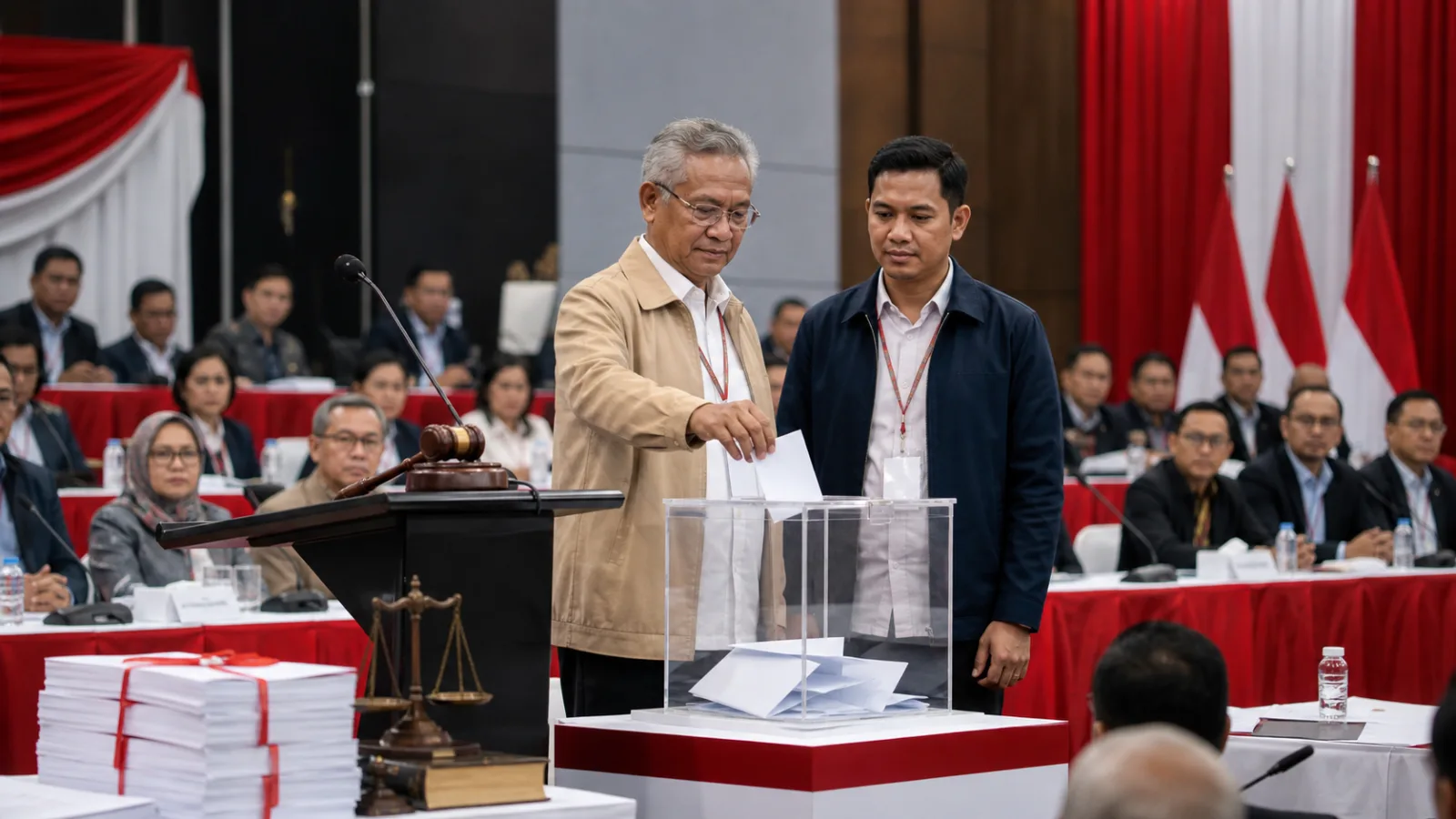
General elections, or what are often called elections, are one of the main pillars of the democratic system in many countries around the world. This is a moment when citizens have the opportunity to determine their leaders and voice their opinions on various issues that affect society. However, unfortunately, elections are often misused by politicians who fight more for personal or party interests than for the interests of the people as a whole. This phenomenon is often described as "political horse-trading," where power is seen as a commodity that can be traded for political gain.
Before we discuss further about political horse-trading, it is important to understand the role and importance of elections in the context of democracy. Democracy, is basically a system of government in which political power is held by the people, either directly or through representatives they elect through elections. Elections are the main mechanism in democracy that allows citizens to express their political preferences and determine representatives who will represent their interests in government institutions.
One of the interesting aspects of elections is the campaign process. This is the time when candidates and political parties compete for public support. During the campaign, politicians often make sweet promises to voters to win their support. They talk about various policies they will propose, changes they will bring, and how they will improve the welfare of society as a whole. However, unfortunately, these promises often do not materialize after the election ends.
After the election, politicians often switch from campaigning to behind-the-scenes political negotiations. They begin to look for ways to build coalitions and secure their positions in government. This process often involves compromises and political agreements that are not always in line with the promises made during the campaign. As a result, people feel betrayed by their leaders who fail to follow through on their campaign promises.














Comments
0Share your perspective politely, stay relevant, and focus on the article. Comments appear after moderation.
Join the discussion
Write a clear, polite response that stays on topic.
No comments yet. Be the first to discuss.
Comments will appear after moderation.