
Legal Literacy - This article discusses positive fictitious KTUN, expansion of the meaning of the disputed object of KTUN, the validity of KTUN determination, and dispute resolution by filing a lawsuit
State Administrative Court Decision within the Scope of the State Administrative Court
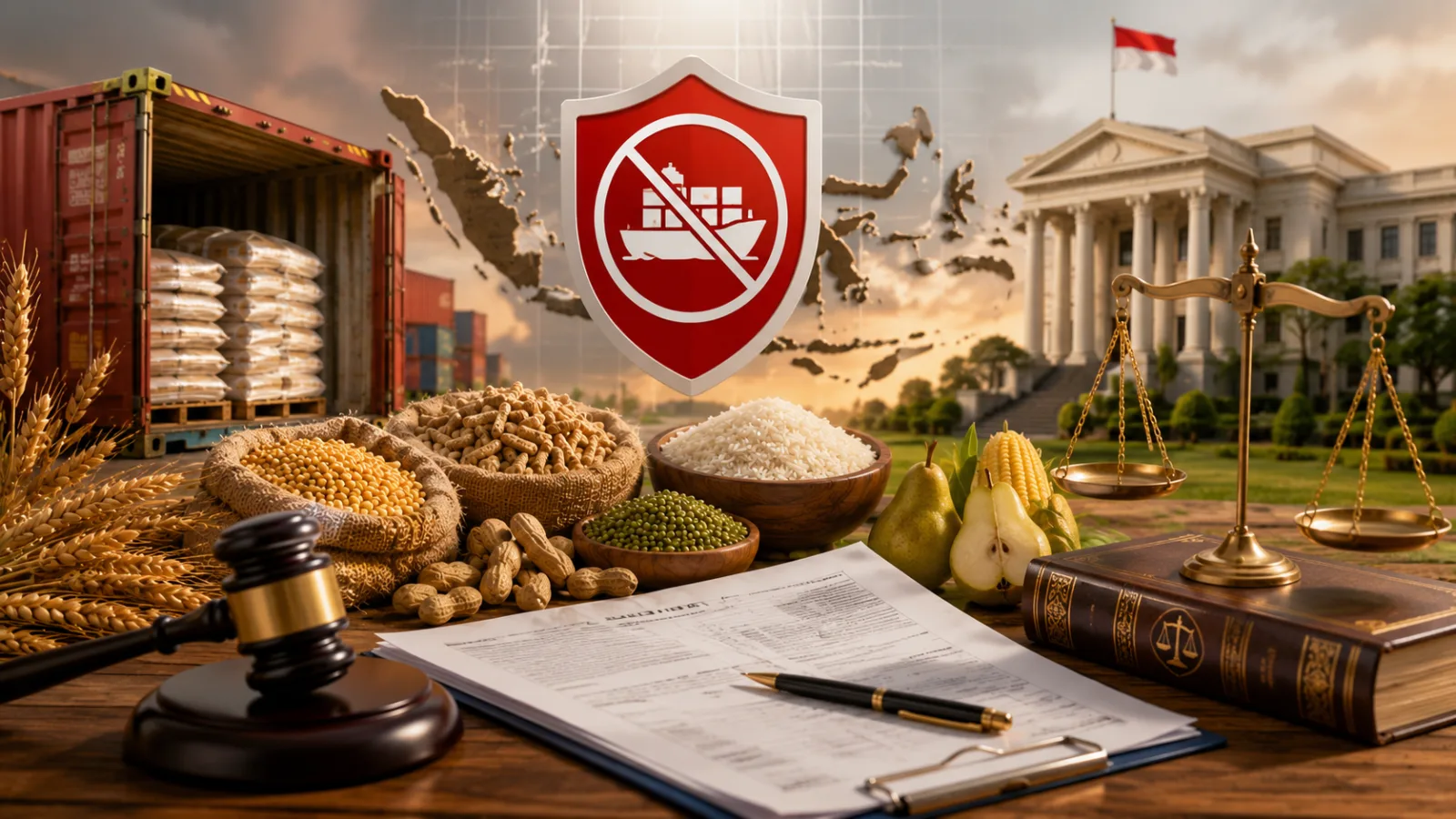
The State Administrative Court (PTUN) is one form of state system in Indonesia that adheres to the principle of the rule of law, as desired in the 1945 Constitution of the Republic of Indonesia. Basically, the PTUN is a means of protecting citizens who feel that their rights have been violated by government actions that are contrary to the prevailing laws and regulations and that should be in line with the general principles of good governance.


The PTUN environment as a sub-system of justice in Indonesia is based on Law Number 5 of 1986 as last amended by Law Number 51 of 2009 concerning the Second Amendment to Law Number 5 of 1986 concerning State Administrative Courts (UU PTUN) which in Article 47 regulates the competence of the PTUN, which is to examine, adjudicate, and resolve state administrative disputes.
The arrangement of decisions in state administration is carried out by paying attention to the principles of transparency, accountability, effectiveness, and efficiency. Law Number 30 of 2014 concerning Government Administration (UU AP) stipulates the requirements and procedures that must be carried out in making a State Administrative Decision (KTUN), including the obligation to involve and listen to input from the public or stakeholders before making a decision. The KTUN regulation, which is organized based on the UU AP, aims to ensure that every decision taken by the government is the result of a transparent, accountable, effective, and efficient process.















Comments
0Share your perspective politely, stay relevant, and focus on the article. Comments appear after moderation.
Join the discussion
Write a clear, polite response that stays on topic.
No comments yet. Be the first to discuss.
Comments will appear after moderation.