

Generally, force majeure can invalidate an agreement.
Practical example: a raw material logistics delivery agreement is void because the truck delivering the raw materials was hit by a landslide. Here, the force majeure that arises is a landslide. The agreement is void because the landslide makes logistics delivery impossible to carry out.


However, there is 1 problem. If every force majeure invalidates an agreement, the existence of an agreement is actually counter-productive. Everyone will need time to think about how the agreement they designed can be implemented without ignoring force majeure.
For this reason, the idea was born that force majeure does not always invalidate an agreement. This article discusses this.
Definition
Force majeure is also known as a state of coercion. Foreign terms that are often used are force majeure or overmacht.
Force majeure is a situation whose presence cannot be predicted and makes the parties to the agreement unable to fulfill their respective achievements.
The most common form of force majeure is natural disasters. Other forms are economic inflation, war, riots, climate change, and government policies.
Theoretically, it is divided into 2 forms, namely absolute force majeure and relative force majeure.
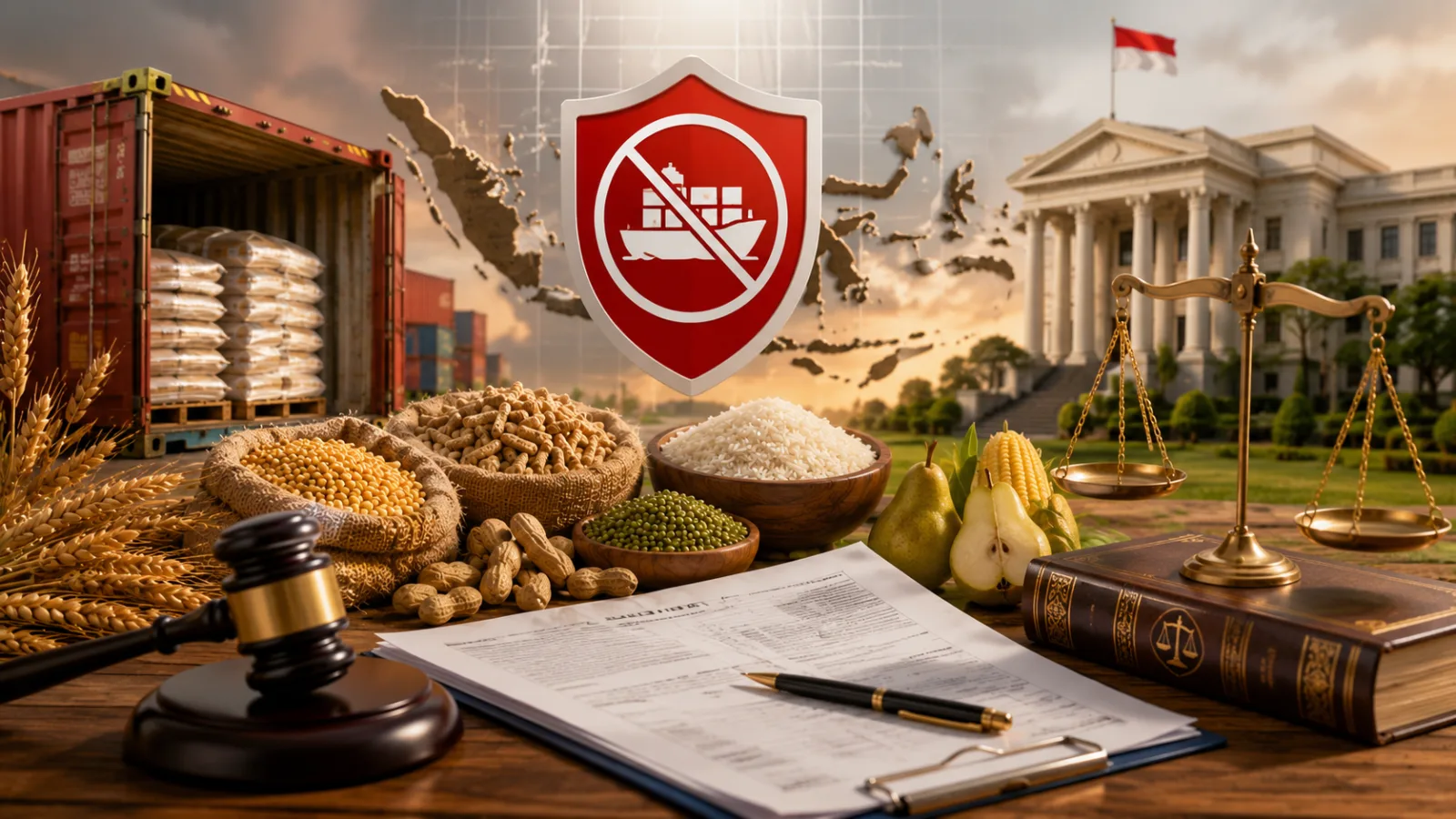
Absolute force majeure is a situation that makes the parties to the agreement completely unable to carry out their achievements. For example, Indonesian nickel commodity suppliers cannot export nickel ore to their partners abroad because the president's policy prohibits nickel ore exports.
Relative force majeure is a situation that allows the parties to the agreement to postpone carrying out their achievements. For example, a farmer who owes money to a cooperative experiences crop failure so he will promise to pay off the debt in the next harvest season.
The provisions regarding force majeure are regulated in Article 1245 of the Civil Code Civil Law ("KUHPer"). This article reads, "There is no compensation for costs, losses and interest if due to force majeure or due to something that happens by chance, the debtor is prevented from providing or doing something that is required, or from committing an act that is prohibited for him."
Article 1245 of the Civil Code provides security for parties in an agreement who are unable to fulfill their performance due to force majeure. The party who is unable to fulfill the performance is also exempt from compensation.





















Comments
0Share your perspective politely, stay relevant, and focus on the article. Comments appear after moderation.
Join the discussion
Write a clear, polite response that stays on topic.
No comments yet. Be the first to discuss.
Comments will appear after moderation.