When the Law Loses Its Soul

Legal Literacy - A conversation in the silence of dawn with a friend who works as a prosecutor became the trigger for this writing. In the middle of the first sip of morning coffee, he told a story with a...

Opinion Note
This opinion article was written by a contributor/columnist. The views expressed are entirely the responsibility of the author and do not necessarily represent the views of the editors.
CONTRIBUTOR PROGRAM
You can become a columnist at Legal Literacy.
Submit your legal opinion/analysis writing. If it is published, you have the opportunity to obtain a payout/honorarium in accordance with the provisions.
Table of Contents
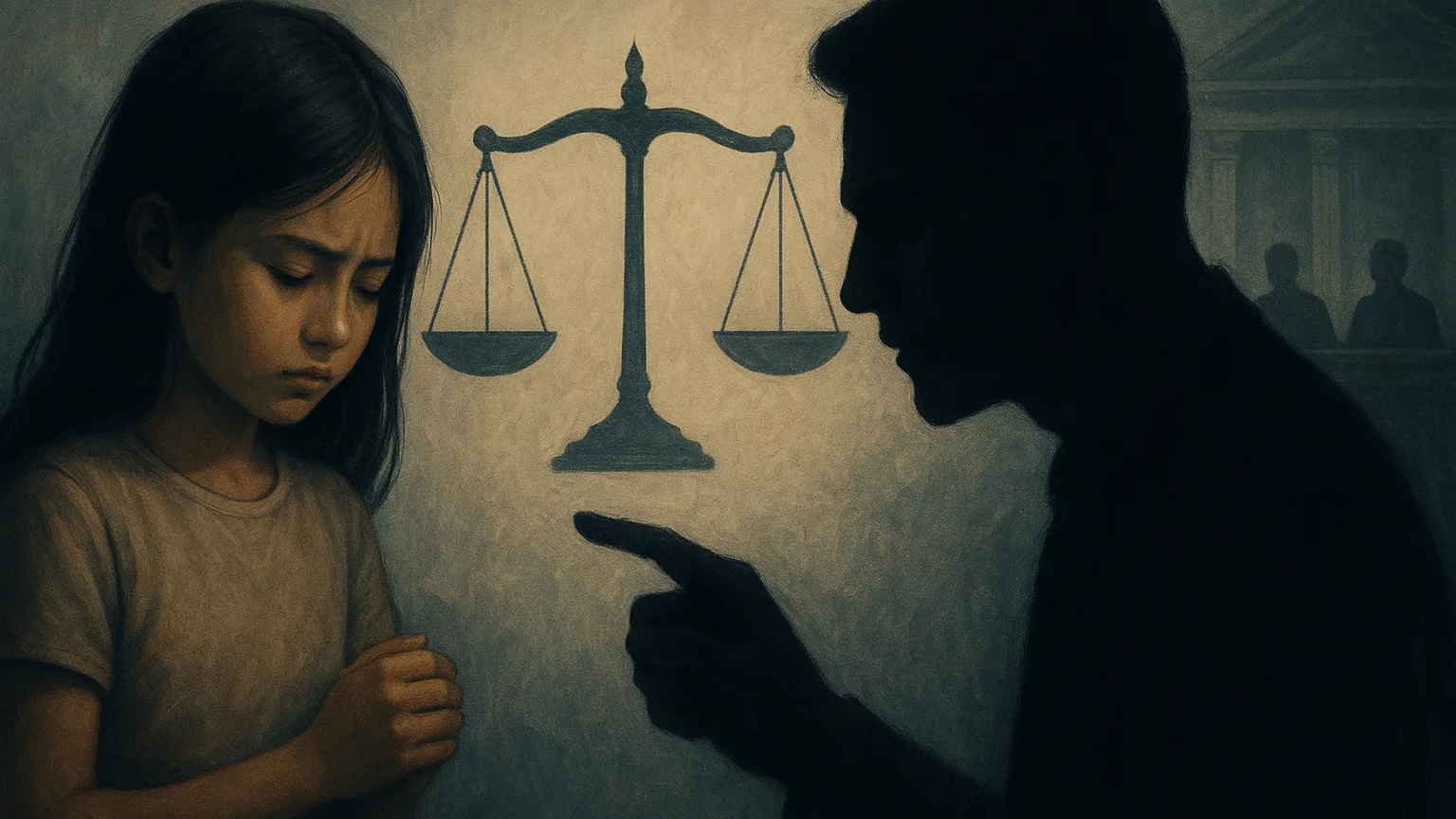
Legal Literacy- A conversation in the silence of dawn with a friend who works as a prosecutor sparked this writing. In the middle of the first sip of morning coffee, he told with a tone that implied a burden, "Being a law enforcer is not enough to have a conscience. There is a hierarchy, there are institutional rules that bind." He continued, "If I am too idealistic and only follow my conscience, I could be examined by internal supervisors." That honest expression—which came from the heart of the law enforcement system—opened a deep reflection: To what extent does conscience still have a place in the midst of the jungle of bureaucracy and legal articles that often feel cold and distant?
Contributor
Support
• Indonesian Legal Literacy
Read more comfortably, while supporting literacy.
Join Membership or submit your article for publication.
Membership
Read without ads, focus more, and access premium features.
Submit Article
Submit your writing—we curate and help publish it. If it is published, you have the opportunity to earn points/payouts according to the terms.

















Comments
0Share your perspective politely, stay relevant, and focus on the article. Comments appear after moderation.
Join the discussion
Write a clear, polite response that stays on topic.
No comments yet. Be the first to discuss.
Comments will appear after moderation.