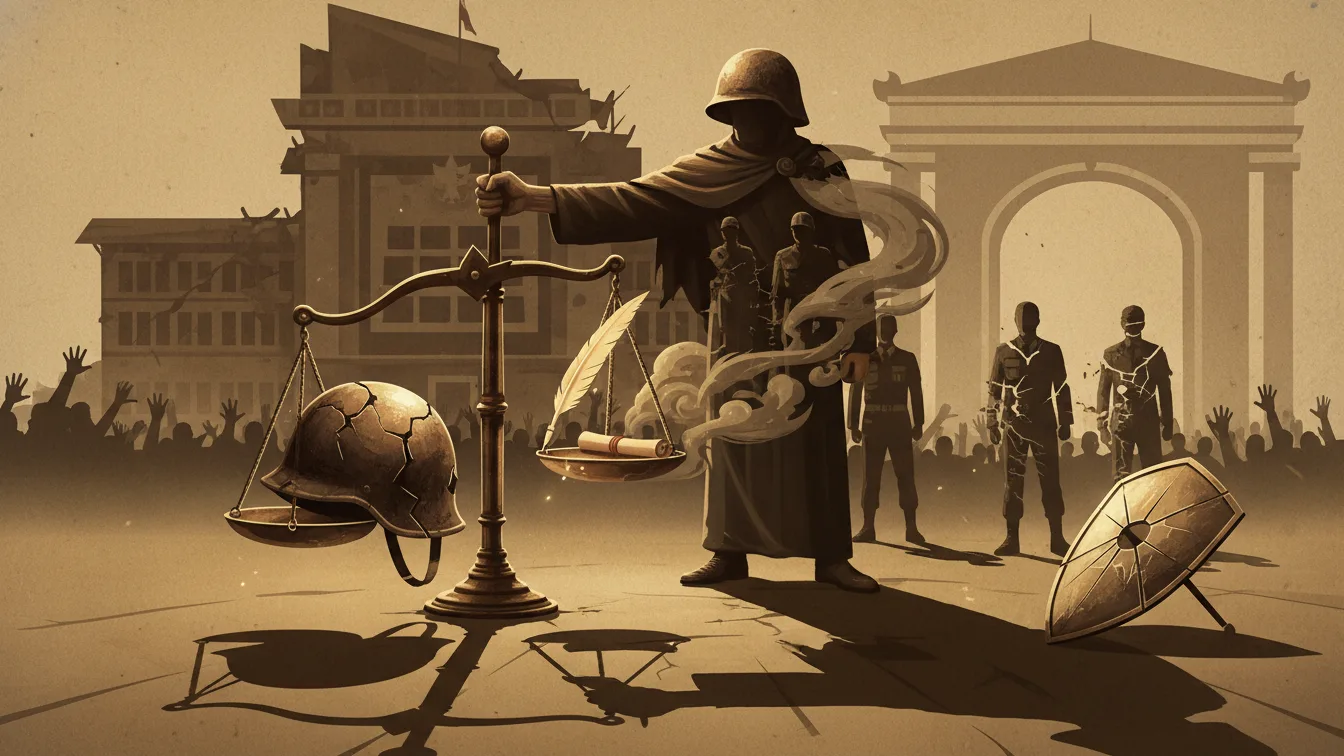
Legal Literacy - The acid attack on Andrie Yunus should not be seen as an ordinary criminal case that ends as soon as four suspects are announced. From the beginning, this case has been a stark alarm for the rule of law. The victim is the Deputy Coordinator of KontraS, a human rights defender known for vocally criticizing the expanding role of the military in the civilian sphere. He was attacked on March 12, 2026, after recording a podcast discussing the issue. Now, four TNI soldiers have been detained, but it is at this point that the most important questions begin: will the state investigate this case to its roots, or will it stop at the perpetrators in the field?
This case is not just about physical violence. If the attack is indeed related to Andrie Yunus's activities as a human rights defender, then it is not only a person's body that is being attacked, but the civilian space itself. More than 170 civil society groups have condemned this incident, and UN High Commissioner for Human Rights Volker Türk has also called for accountability. Under international standards, the state is not only obliged to arrest the perpetrators, but also to conduct a prompt and impartial investigation and protect everyone from violence, threats, or retaliation as a result of human rights advocacy work.


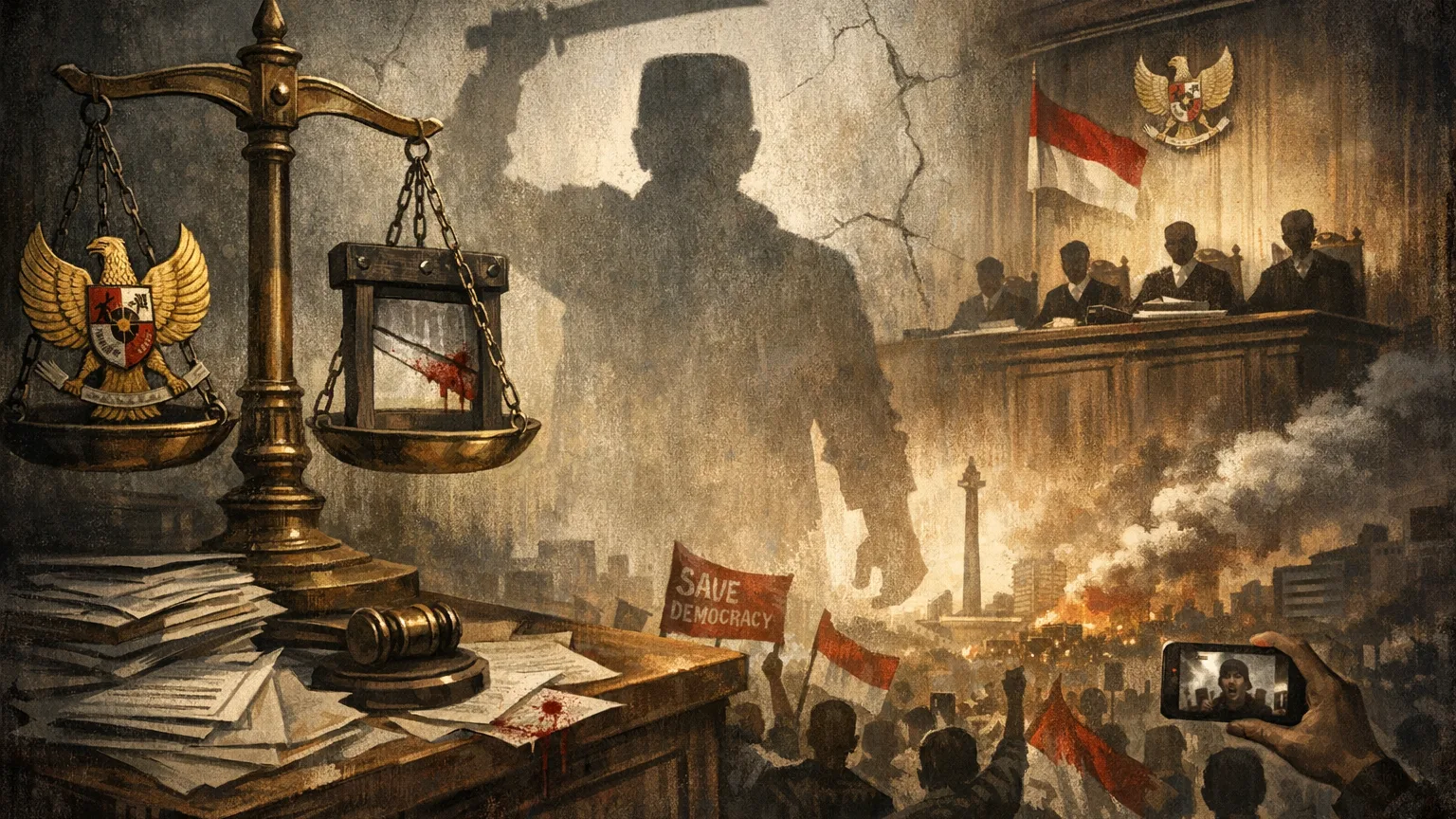
The next problem is the forum for the trial. Legally, Indonesia still maintains an old and dangerous contradiction. Article 65 paragraph (2) of the TNI Law states that soldiers are subject to public courts for general crimes. However, Article 74 postpones the enactment of that provision until a new law on military courts is formed, and as long as it does not exist, soldiers remain subject to the 1997 Military Court Law. As a result, every time there is a general crime involving soldiers, the public is always forced to accept an odd situation: in principle, there is talk of equality before the law, but in practice the case still goes to the military forum.
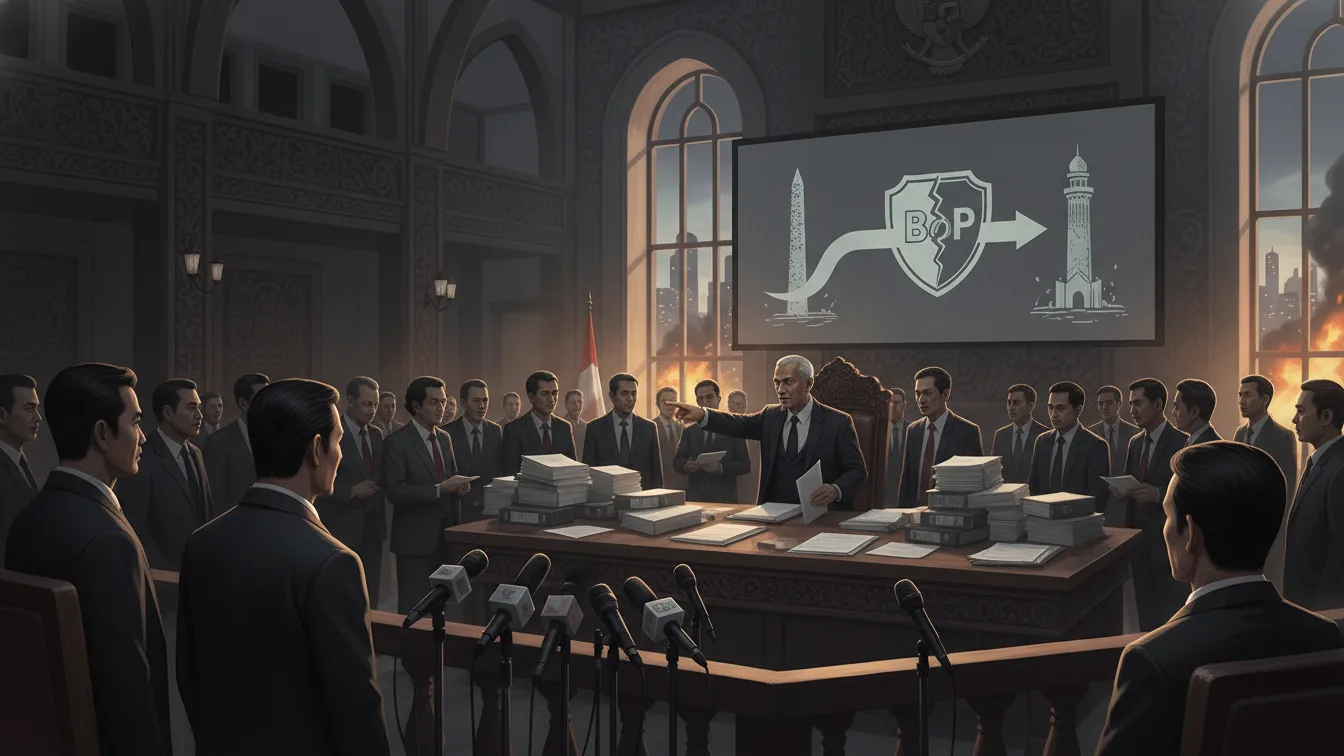
Therefore, the issue in the Andrie Yunus case is not only who threw the acid. The question is whether the state dares to break the cycle of impunity that has been living in that gray area. Military justice may be formally valid in the current legal construction, but formally valid is not necessarily sufficient to restore public trust. Moreover, the military authorities themselves say they are still investigating the possibility of orders from superiors, while the victim's legal counsel has requested an independent fact-finding team to uncover higher actors. As long as the chain of command, motives, and funding of the operation are not disclosed, justice will always seem halfway.
This is where the state is being tested. The state must not feel that its task is complete just because four names have been announced. The state must prove that uniforms are not shields, ranks are not shields, and institutions are not places to hide from accountability. This case must be investigated to the possibility of intellectual actors. Victims and witnesses must be protected. The process must be transparent. Komnas HAM and LPSK must not be passive. The President, the DPR, and lawmakers can no longer postpone the reform of the military justice system that has been left hanging for two decades.
In the end, the Andrie Yunus case is a constitutional benchmark that is very simple but very decisive. If the state only punishes the perpetrators in the field and allows questions about orders, motives, and command responsibility to evaporate, then the message received by the public will be very dangerous: that human rights defenders can be attacked, and the system will still protect the strong. But if the state dares to open everything up completely, then for once the law can prove that Indonesian democracy has not completely succumbed to fear.

















Write a comment