
Legal Literacy - This article discusses bipartite cooperation institutions as essential entities in industrial relations disputes. Let's take a look at the discussion.
Industrial Relations Dispute
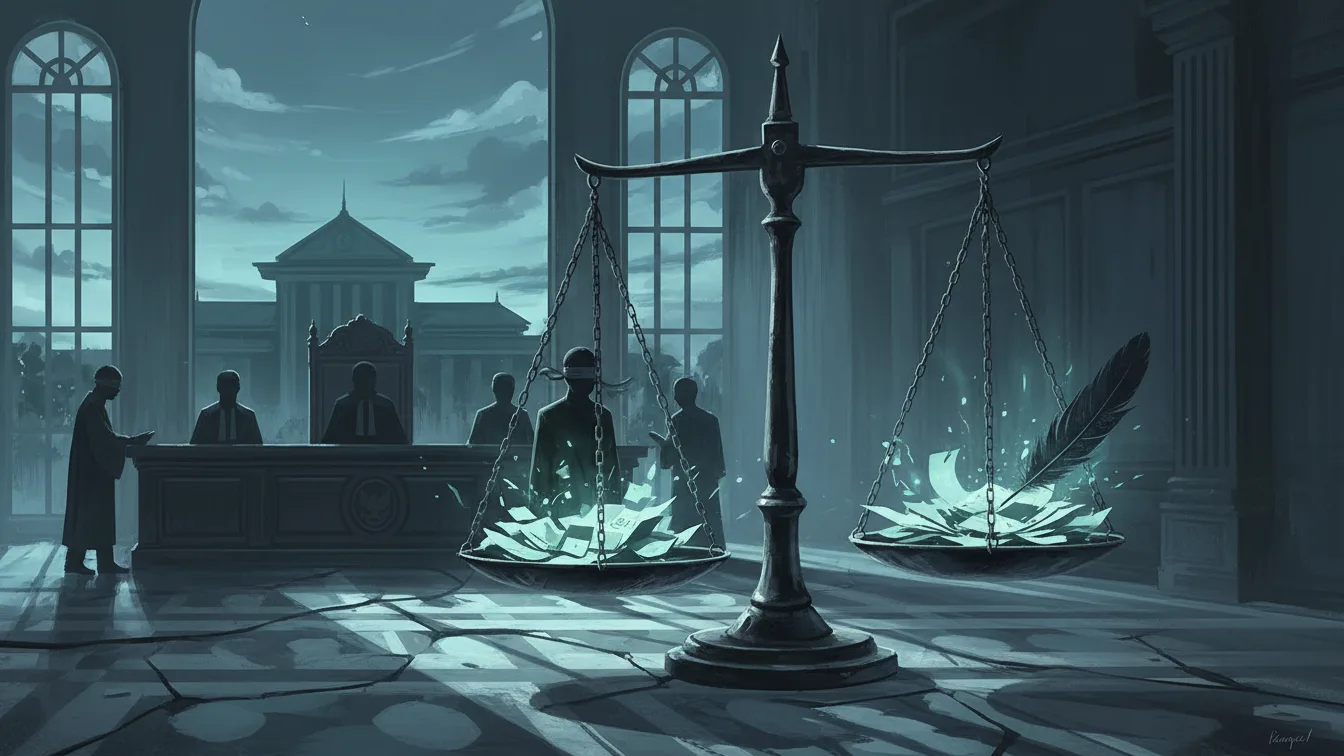
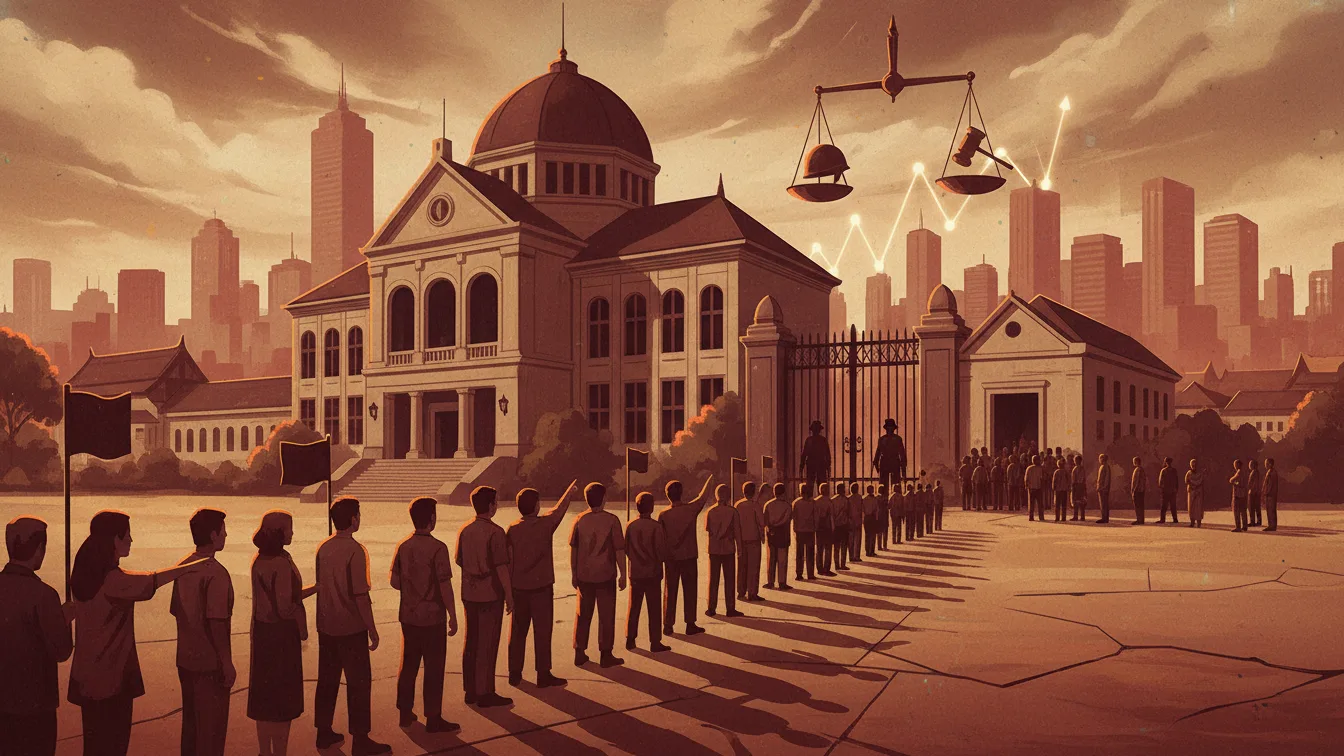
Disputes that occur in industrial relations involve employers, namely companies, and employees or workers. Disputes or conflicts that occur between companies and workers often arise because of differences in interests. Companies that have a desire to obtain maximum profits, but on the other hand, workers who want to get the highest possible wages from their work and get a decent life, show that there are differences in interests.[1]
Law Number 2 of 2004 concerning Settlement of Industrial Relations Disputes (hereinafter referred to as Law Number 2 of 2004) also stipulates that disputes or conflicts within the scope of industrial relations include disputes of rights, disputes of interests, disputes over termination of employment, and disputes between trade unions/labor unions only within one company.
Law Number 13 of 2003 concerning Manpower in conjunction with Law Number 2 of 2004 mandates that disputes that occur between workers and employers are based on the principle of deliberation to reach a consensus.
Flow of Industrial Relations Dispute Resolution
The dispute resolution mechanism that occurs in industrial relations must first be used or started with…
















Comments
0Share your perspective politely, stay relevant, and focus on the article. Comments appear after moderation.
Join the discussion
Write a clear, polite response that stays on topic.
No comments yet. Be the first to discuss.
Comments will appear after moderation.