

Legal Literacy - In the classroom, we were fed theories about justice, the rule of law, and morality in legal practice. We learned from Hans Kelsen about law as a hierarchical system of norms, from John Rawls about justice as fairness, and from Montesquieu about the trias politica that divides power for balance. We memorized articles in the 1945 Constitution, understood the principles of criminal and civil law, and analyzed court decisions considered important precedents.
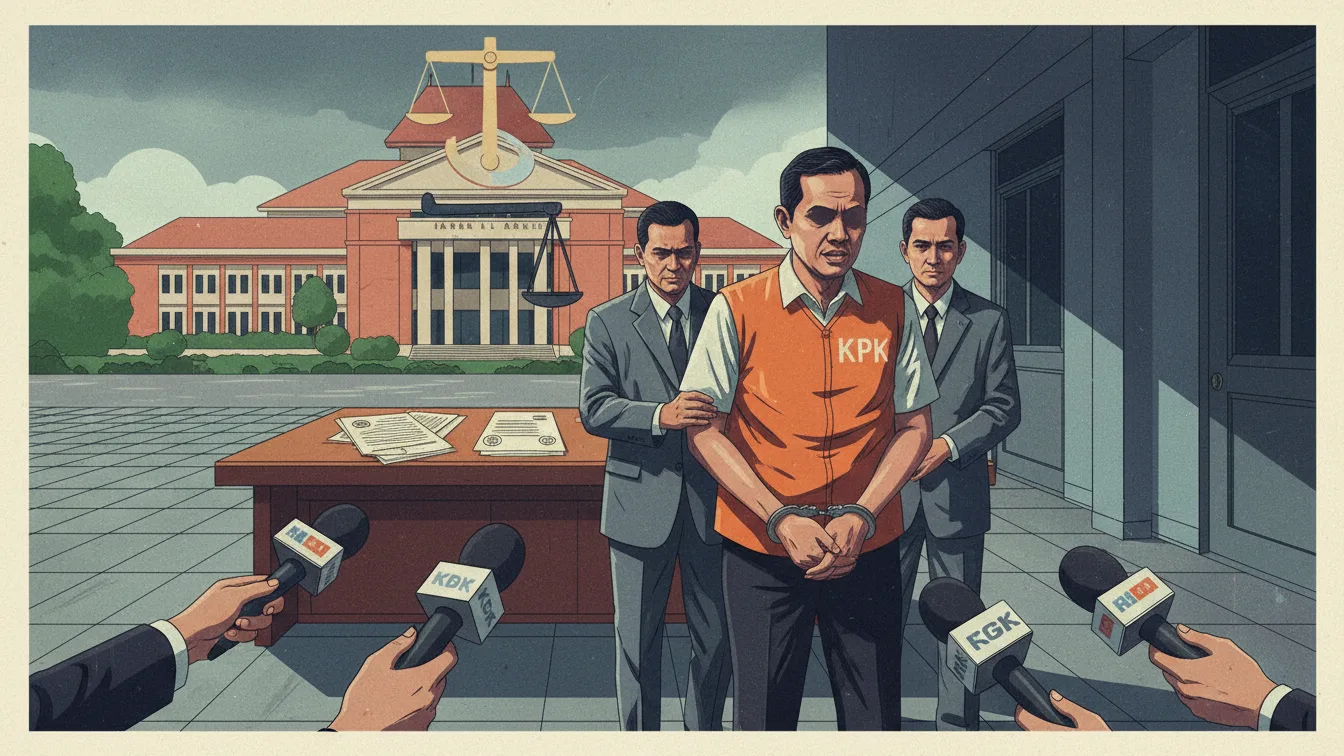
Everything sounded beautiful and convincing—as if the law really worked for the benefit of the people. However, the deeper we studied the law, the clearer it became that all of this was just an illusion. The law in this country is not a tool of justice, but an instrument of the powerful to oppress the weak and protect their own interests. When we questioned why the reality outside did not reflect the theories we learned, a lecturer casually said, “You will understand later when you become practitioners. The way the law works is not as ideal as you imagine.”


That sentence sounded like an early warning: prepare to enter a world full of decay, where the law is more often a tool for transactions than a tool for justice. If the law is already so corrupt, if everything we have learned is just academic nonsense without relevance in the real world, then what is the purpose of the Faculty of Law? What is the point of learning about justice if legal practice is filled with bribery, manipulation, and behind-the-table transactions? If in the end the Faculty of Law only produces graduates who are forced to submit to a corrupt system or are eliminated for refusing to play in this dirty game, then it is better to dissolve this faculty.






















Comments
0Share your perspective politely, stay relevant, and focus on the article. Comments appear after moderation.
Join the discussion
Write a clear, polite response that stays on topic.
No comments yet. Be the first to discuss.
Comments will appear after moderation.