
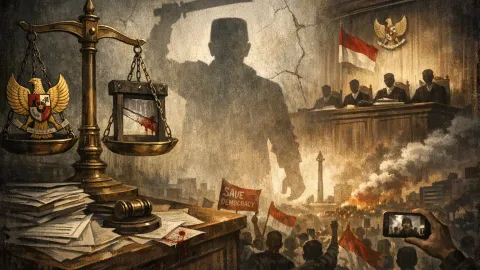
Legal Literacy - Demonstrations or protests are one of the most tangible forms of political and social expression carried out by the people in a democratic system. In Indonesia, demonstrations have been part of the long history of the people's struggle, starting from the colonial era, the Old Order era, to its peak in the 1998 reform movement. Taking to the streets is not just a political goal in itself, but a symbol of resistance to restrictions on freedom of expression.
Indonesia's Constitution, namely the 1945 Constitution, explicitly guarantees freedom of expression. Article 28E paragraph (3) states that “Everyone has the right to freedom of association, assembly, and expression.” This article is the main foundation for the practice of demonstrations. Thus, every restriction on demonstrations must always have its suitability tested with these constitutional principles. However, in practice, this freedom often clashes with the interests of political stability, security, and public order.


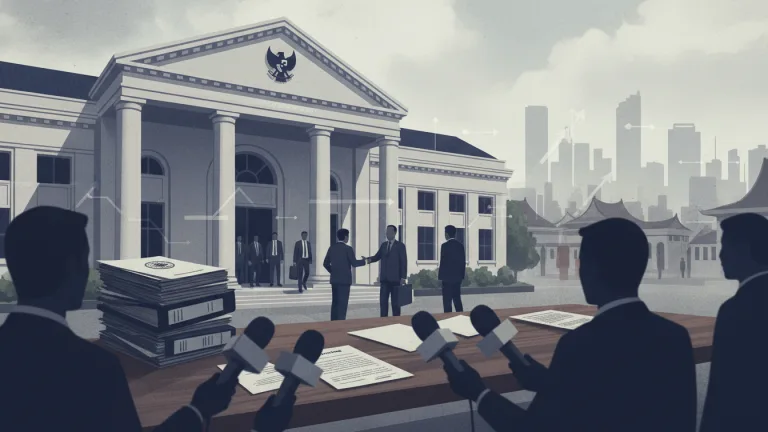
Not only that, Law Number 9 of 1998 concerning Freedom of Expression in Public is the main legal instrument governing demonstrations. This Law provides a special space for the public to express their opinions through various forms, including protests, parades, public meetings, and free speech forums. However, this Law also stipulates administrative requirements, such as the obligation to notify the police in writing no later than 3 x 24 hours before the action is taken. This provision is often seen as a form of state control over freedom of expression. On the one hand, this regulation is intended to maintain public order and prevent conflicts of interest. On the other hand, administrative requirements often become a repressive tool, for example when officers reject notifications for security reasons or take action against actions deemed not in accordance with procedures.
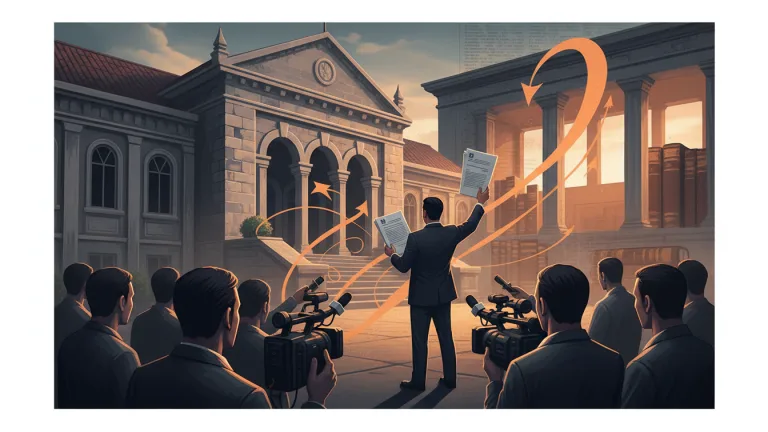
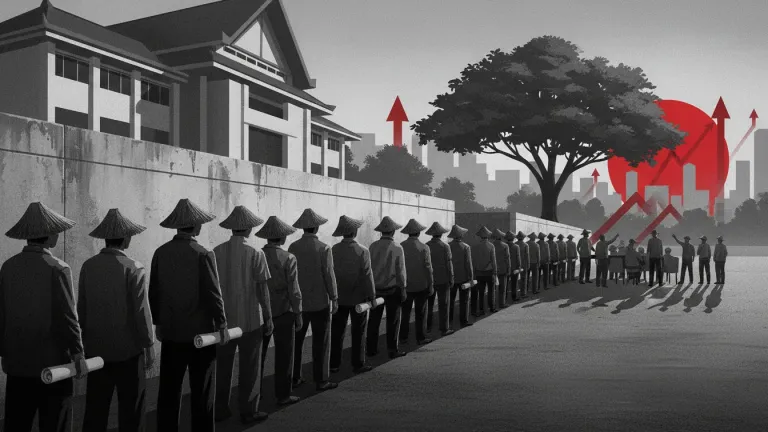
The effectiveness of demonstrations can be seen from several aspects. First, protests function as a means of articulating interests. When formal forums such as parliament or public consultation mechanisms are unable to accommodate public aspirations, demonstrations become an alternative. Such as student actions rejecting the Draft Criminal Code or the Job Creation Law. This shows how demonstrations are able to raise issues into the public sphere and force the government to respond.
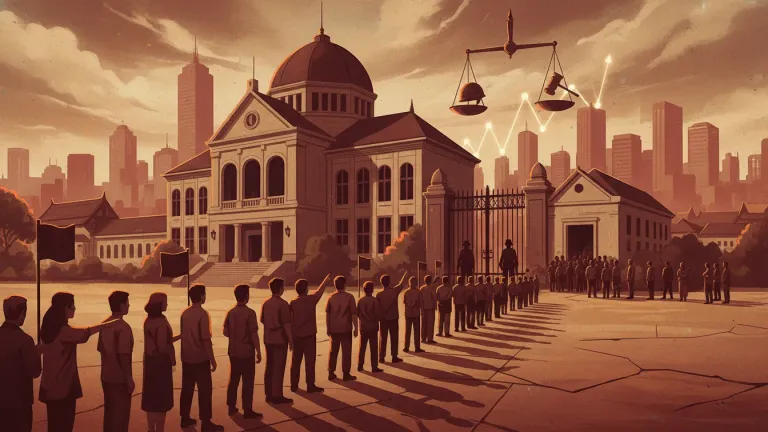
Second, demonstrations have a symbolic effect. The presence of the masses on the streets shows the collective solidarity of the community as well as moral pressure on the government. This effect is often stronger than just arguments in the discussion room. Third, demonstrations can produce policy changes, although not always instantly. The 1998 Reformation is the clearest example of how demonstrations were able to shake power and give birth to systemic changes to the government.










Write a comment