
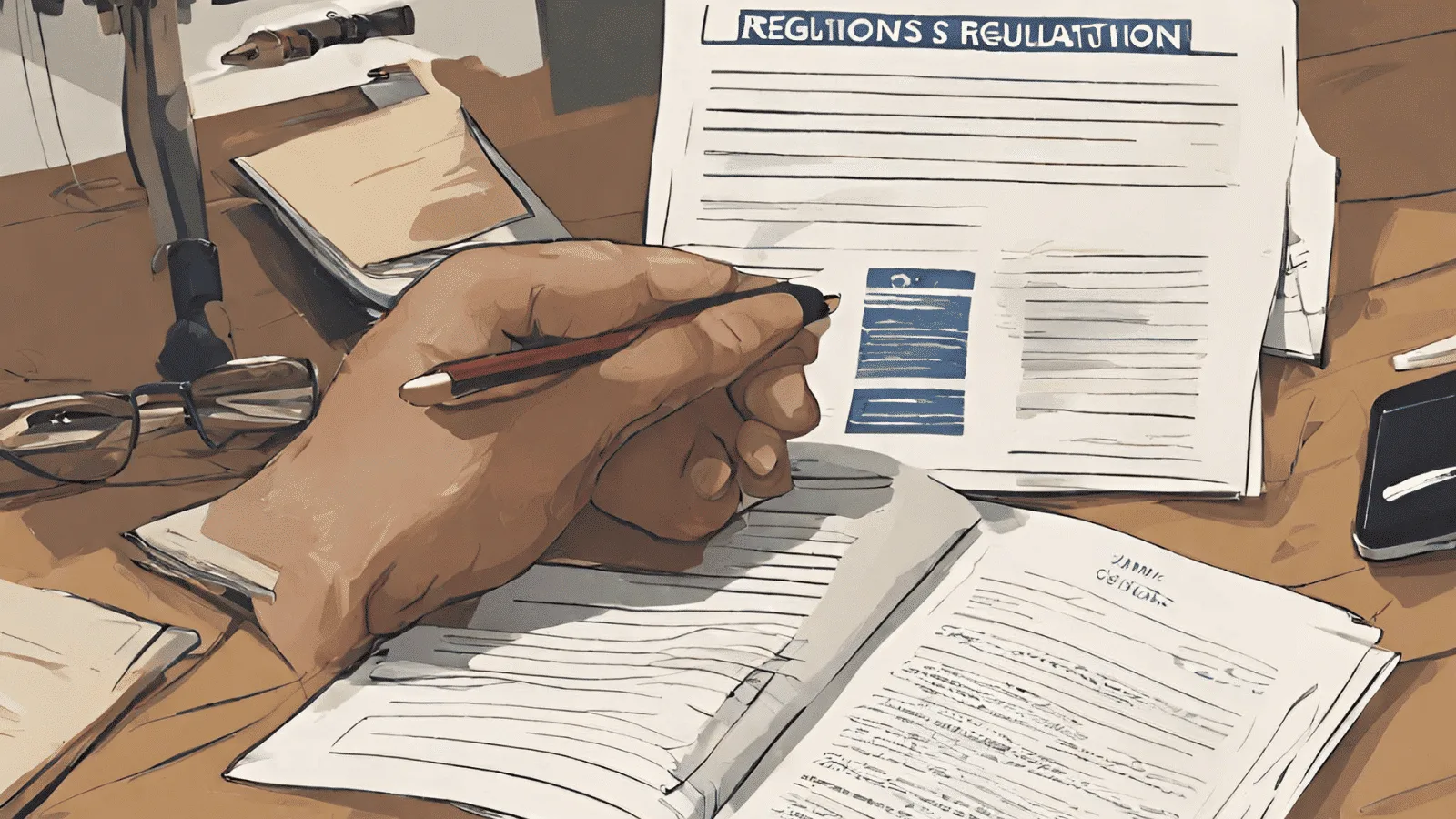
Example Rules
- Law
- government regulation
- local regulations
- village regulation
Decision
Meanwhile, a decision is a concrete and individualized action made by an authorized body that has the authority to do so, addressed to a specific person or situation.
A decision refers to an action or result of a thought process or evaluation of a situation or available information. Decisions can be made by individuals, groups, or organizations to determine the actions to be taken in a particular context.


In Dutch, Decree is called "Beschikking" translated as "decision" or "decree" in the context of administrative law. It is an administrative decision by a government body aimed at a specific person, group, or situation.
Decision Characteristics
- Subjectivity: Decisions are often influenced by subjective factors, such as personal values, experiences, and preferences.
- Process: Decision-making involves a complex evaluation process, where various options are considered and sorted out to achieve a specific goal.
- Flexibility: Decisions can be more flexible than rules, as they can be adapted to changing contexts and situations.
Sample Decision
- Ministerial Decree
- Rector's Decree
- Board of Directors Decree
Difference between Regulation and Decree
1. Differences between Regulations and Decrees in terms of Nature, Scope, and Legal Force
Nature
- Rules: General and abstract, meaning they apply to all people and situations within a certain scope. For example, the Marriage Law regulates marriage in general, without referring to specific individuals.
- Decree: Individualized and concrete, meaning that it applies only to the person or situation specifically mentioned in the decree. For example, a Civil Servant Appointment Decree only applies to the person whose name appears in the decree.





















Comments
0Share your perspective politely, stay relevant, and focus on the article. Comments appear after moderation.
Join the discussion
Write a clear, polite response that stays on topic.
No comments yet. Be the first to discuss.
Comments will appear after moderation.