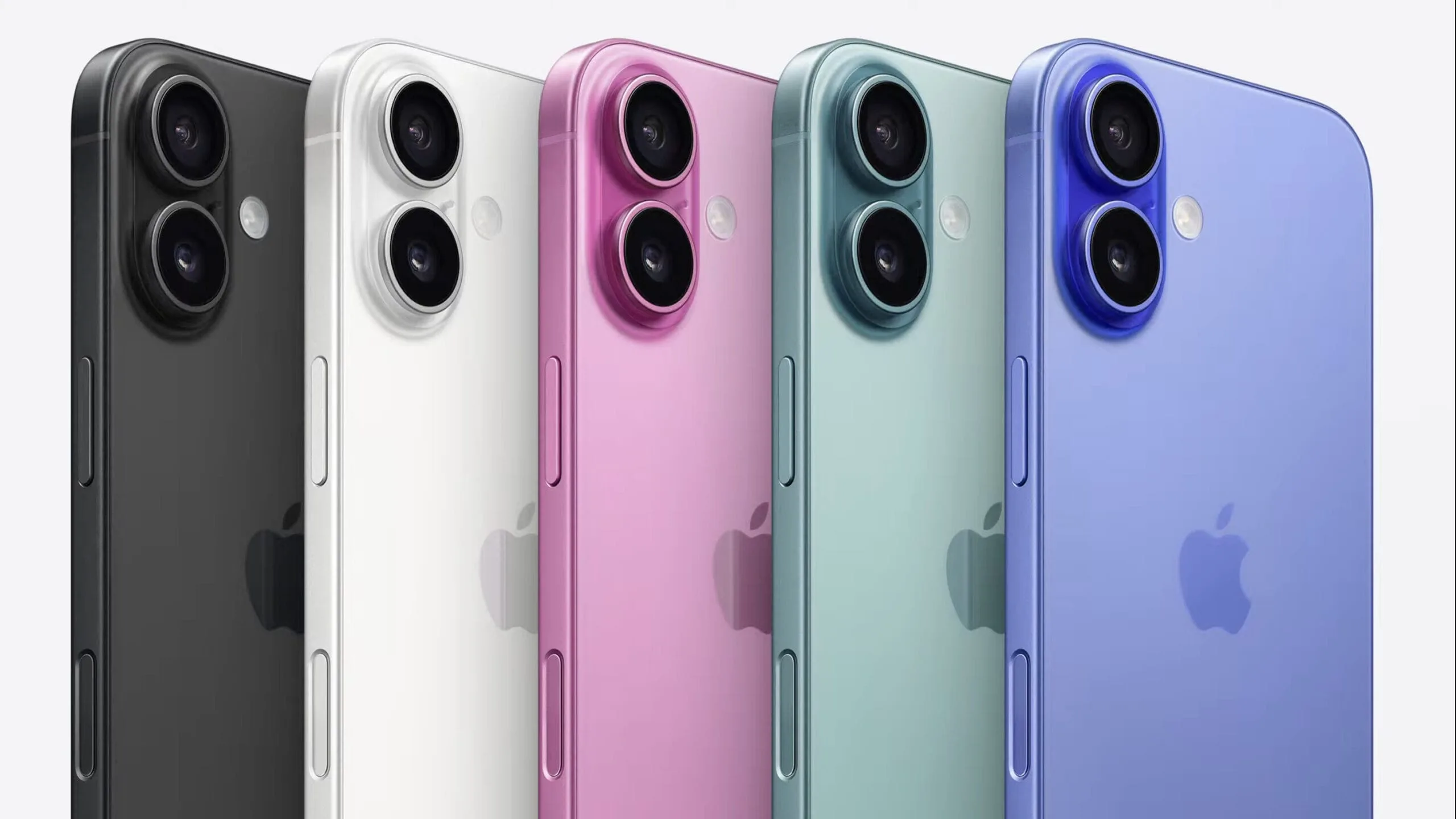
Legal Literacy - Regulations for import product permits in Indonesia, including the prohibition of selling iPhone 16, aim to encourage local industry through TKDN certification and other standards. This article discusses government policies, challenges, and their impact on the economy and consumer protection amid the dominance of imported products.
Import Product Licensing Regulations in Indonesia
Recently, the issue of banning the sale of iPhone 16 in Indonesia has surfaced. This prohibition certainly raises various questions, both from the general public and technology observers. The iPhone 16 is prohibited from being traded in Indonesia for several reasons, one of which is not having a Domestic Component Level (TKDN) certification of 40 percent as a mandatory requirement for selling in Indonesia. This is a special tactic for Indonesia so that later the iPhone party is required to make efforts first to obtain a TKDN certificate with a choice of schemes, namely the establishment of manufacturing plants, innovation, or application creation schemes.
In fact, Indonesia has very strict regulations regarding the circulation of goods, including electronic goods such as mobile phones. One of the regulations governing this issue is the Regulation of the Minister of Trade of the Republic of Indonesia (Permendag) Number 31 of 2013 concerning Provisions on Import of Goods and…





















Comments
0Share your perspective politely, stay relevant, and focus on the article. Comments appear after moderation.
Join the discussion
Write a clear, polite response that stays on topic.
No comments yet. Be the first to discuss.
Comments will appear after moderation.