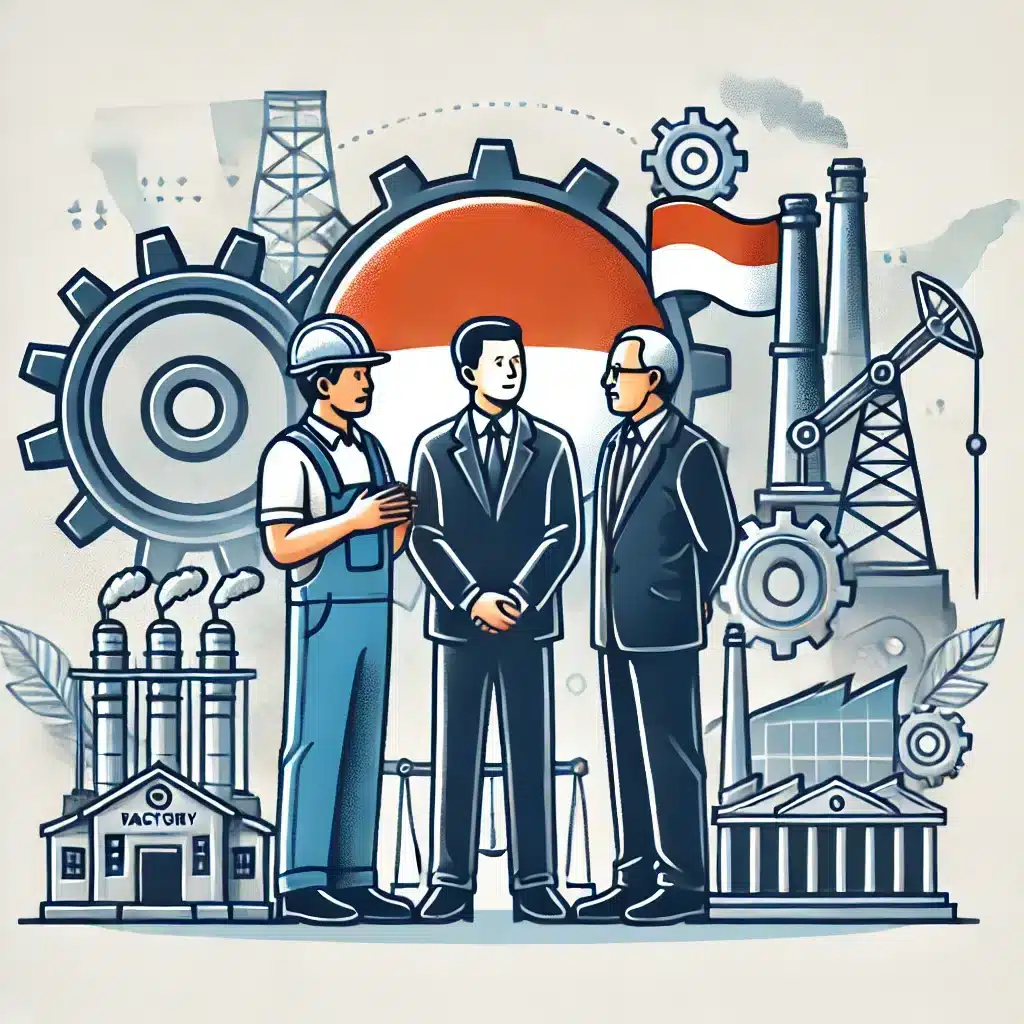
Legal Literacy - In an era of increasingly rapid development, environmental management has become a crucial issue that cannot be ignored. In Indonesia, one of the main instruments for maintaining the balance between development and environmental preservation is the Environmental Impact Assessment (EIA). However, along with changes in times and policies, the effectiveness of EIA is often questioned. Is EIA able to be a solution to various threats to the environment, or is it just an administrative formality?

Understanding and Function of EIA

EIA is a document that contains studies on the major and significant impacts of a business plan or activity on the environment. According to the Law of the Republic of Indonesia number 32 of 2009 concerning environmental protection and management (UUPPLH), the Environmental Impact Assessment or what is called EIA is a study of the significant impact of a planned business and/or activity on the environment which is needed for the decision-making process regarding the implementation of the business and/or activity. Then according to the regulation of the Minister of Environment and Forestry (PerMenLHK) No. 4 of 2021 in article 3 number 1, it is stated that every plan for a Business and/or Activity that has a Significant Impact on the environment must have an EIA. This emphasizes that it is a mandatory requirement for projects that have the potential to damage the environment, such as the construction of industrial areas, toll roads, or mines. Generally, the functions and uses of EIA are:

a) Providing clear information regarding the plan of activities or business, accompanied by the environmental impacts that the activity will cause.

b) Containing the opinions, knowledge and aspirations of the population, especially in environmental matters when a business or industrial activity is about to be established.

c) Providing and accommodating local information that is useful for owners or founders and the surrounding community as well as the wider community in anticipating impacts and managing the environment in accordance with the principles of sustainability.

Theoretically, EIA is a tool to balance economic and environmental interests. However, its implementation in the field often faces complex challenges.

Challenges of EIA

Indonesia has fairly robust regulations regarding Environmental Impact Assessment (AMDAL), as stipulated in Law Number 32 of 2009 concerning Environmental Protection and Management (UUPPLH) and the regulation of the Minister of Environment and Forestry (PerMenLHK) No. 4 of 2021. However, its implementation in the field is often not optimal. A lack of competent human resources, minimal transparency, and political and economic pressures often become obstacles. AMDAL aims to guarantee the quality of the environment, to avoid environmental impacts that are harmful to the community. However, in its implementation, it is still often seen merely as an administrative requirement to obtain permits, rather than as an operational guide that is consistently implemented. Many companies, after obtaining AMDAL approval, do not actually implement the proposed mitigation recommendations.

Advertisement
Read without ads.
Join Membership

For example, nickel mining on Wawonii Island, Southeast Sulawesi. After the mine began operating, the community began to lose access to clean water sources due to environmental damage around the mining area. River and well water began to be contaminated, so many residents had to buy water from outside the island. In addition, soil contamination has had an impact on drastically reduced crop yields, and most fishermen report a decline in fish catches due to sedimentation in the waters.

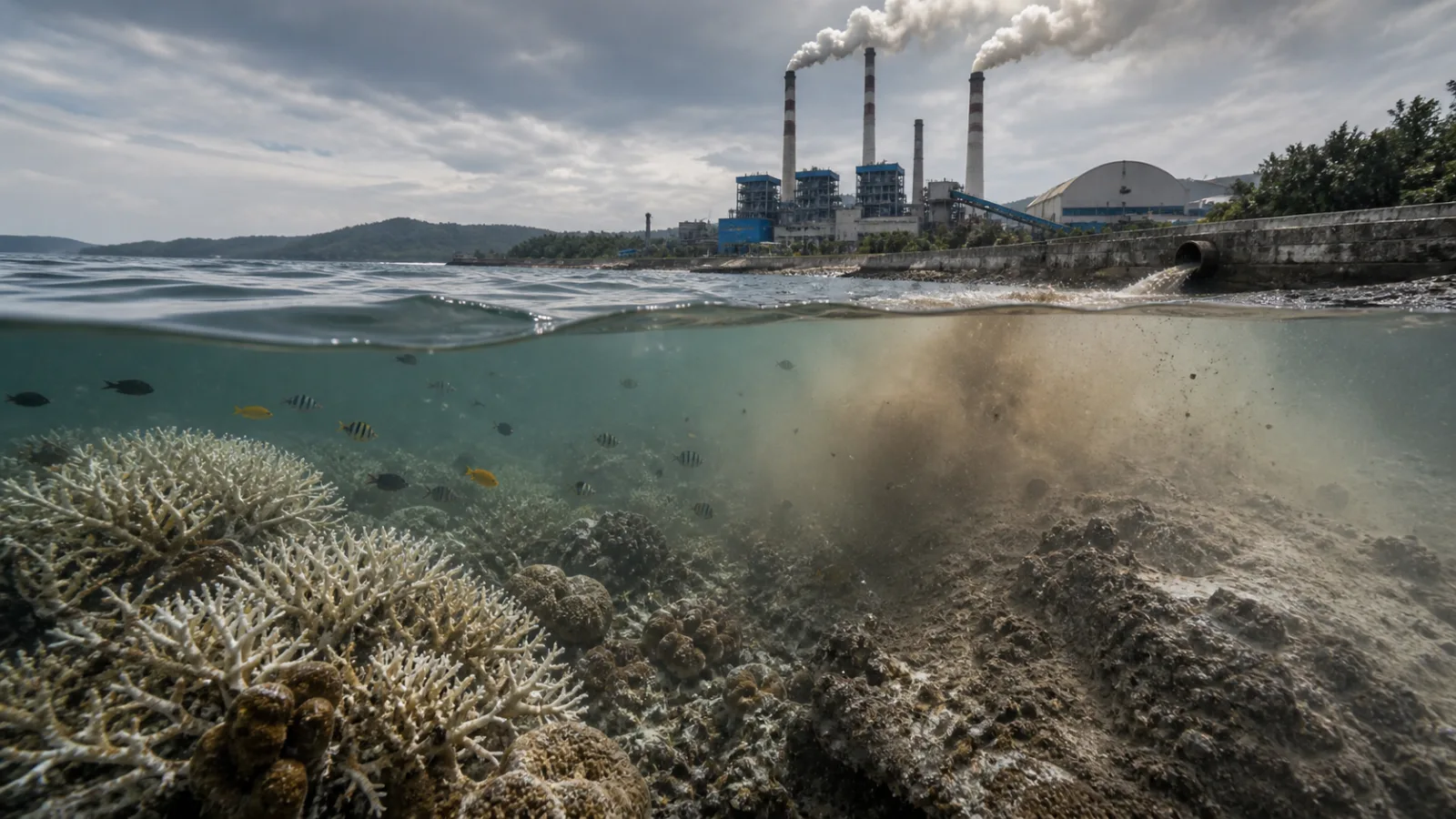
The construction of the Cirebon-2 Steam Power Plant (PLTU) is also an example of AMDAL implementation that needs to be questioned. The reason is that after the Cirebon-2 PLTU began operating, residents around the location reported various negative impacts on health and the environment. One of the main impacts is an increase in cases of Acute Respiratory Tract Infection (ISPA) due to air pollution generated from coal combustion. This pollution produces fine dust particles and toxic emissions that directly impact air quality in the area. In addition, coal ash (fly ash and bottom ash) produced from PLTU activities pollutes surrounding agricultural and fishery land. The ash can reduce soil fertility, thereby impacting community crop yields. In the fisheries sector, water pollution from coal ash waste disrupts the aquatic ecosystem, causing a decline in fish populations which are the main source of livelihood for some residents.

According to Greenpeace Indonesia, coal combustion in PLTUs like this has a direct impact on health through air pollution, with the risk of chronic diseases in adults and acute respiratory tract infections in children. A Harvard University study also estimates that premature deaths due to air pollution from PLTUs in Indonesia reach thousands of lives each year. This criticism highlights the need for reform in the implementation of AMDAL, including stricter supervision and more substantial community involvement, so that development policies are truly aligned with environmental protection and the welfare of local communities.

In the Environmental Impact Assessment (EIA) process, public participation is a key element. However, in practice, many affected communities are not adequately involved. Local communities often do not receive sufficient information, or they are faced with consultation forums that are merely formalities. This eliminates the essence of participation as an independent supervisor. A quality EIA study requires multidisciplinary expertise and accurate data. However, in Indonesia, it is not uncommon to find EIA documents that only copy similar studies without in-depth analysis. The preparation of the EIA also often involves consultants who have close relationships with project owners, resulting in conflicts of interest.

Solutions to Improve EIA Effectiveness

1. Strengthen Supervision

Supervision must be intensified, especially in the aspect of implementation. The government must ensure that every proposed mitigation recommendation is truly implemented. In addition, heavier sanctions must be given to perpetrators of violations.

Advertisement
Read without ads.
Join Membership

2. Improving the Quality of Studies

To ensure the quality of EIAs, the government needs to set higher standards for environmental consultants. The accreditation and supervision system for EIA consultants must be tightened to prevent conflicts of interest.

3. Increasing Public Participation

Public participation must be further strengthened, not only in the initial process of preparing the EIA, but also in monitoring its implementation. The government can utilize digital technology to provide wider access to information to the public.

4. Integration of Technology in Supervision

Technologies such as remote sensing and geographic information systems (GIS) can be used to monitor environmental impacts in real-time. With the integration of this technology, violations of the EIA can be detected and followed up more quickly.

5. Education and Awareness Raising

Increasing public and business actor awareness of the importance of EIAs in maintaining environmental sustainability must continue to be carried out. Education campaigns can be a strategic step to encourage compliance with environmental regulations.

Conclusion

EIA is an important instrument in maintaining the balance between development and environmental preservation in Indonesia. Conceptually, EIA is designed to identify, manage, and mitigate significant impacts caused by an activity or business on the environment. However, its implementation in the field is often far from expectations. EIA often becomes an administrative formality to obtain permits, without being followed by adequate implementation and supervision. Various cases, such as the nickel mine on Wawonii Island and the Cirebon-2 coal-fired power plant, demonstrate weak supervision and minimal public involvement, resulting in significant environmental damage and socio-economic losses. Lack of transparency, conflicts of interest, and limited human resources are the main challenges in EIA implementation. To overcome these problems, solutions such as tightening supervision, improving the quality of studies, strengthening public participation, utilizing technology, and education need to be applied consistently. With these measures, EIA can become an effective instrument in ensuring sustainable development that is in harmony with environmental protection and community welfare.