Opportunities and Challenges Related to Territory Sea in Indonesia
Besides being able to generate large profits from marine wealth, especially the fisheries sector, criminal activity against marine resources by certain groups is becoming increasingly prevalent in Indonesia, especially foreign parties who carry out fishing in a prohibited, unreported and unregulated manner. This activity is known as Illegal, Unreported, and Unregulated Fishing (IUUF) which is a category of transnational organized crime. Transnational organized crime is organized crime that occurs across national borders involving groups or networks that work in more than one country to plan and carry out illegal business.
This is a serious threat to the survival of the fisheries sector in Indonesia because it is contrary to applicable international legal provisions, which can disrupt maritime security.


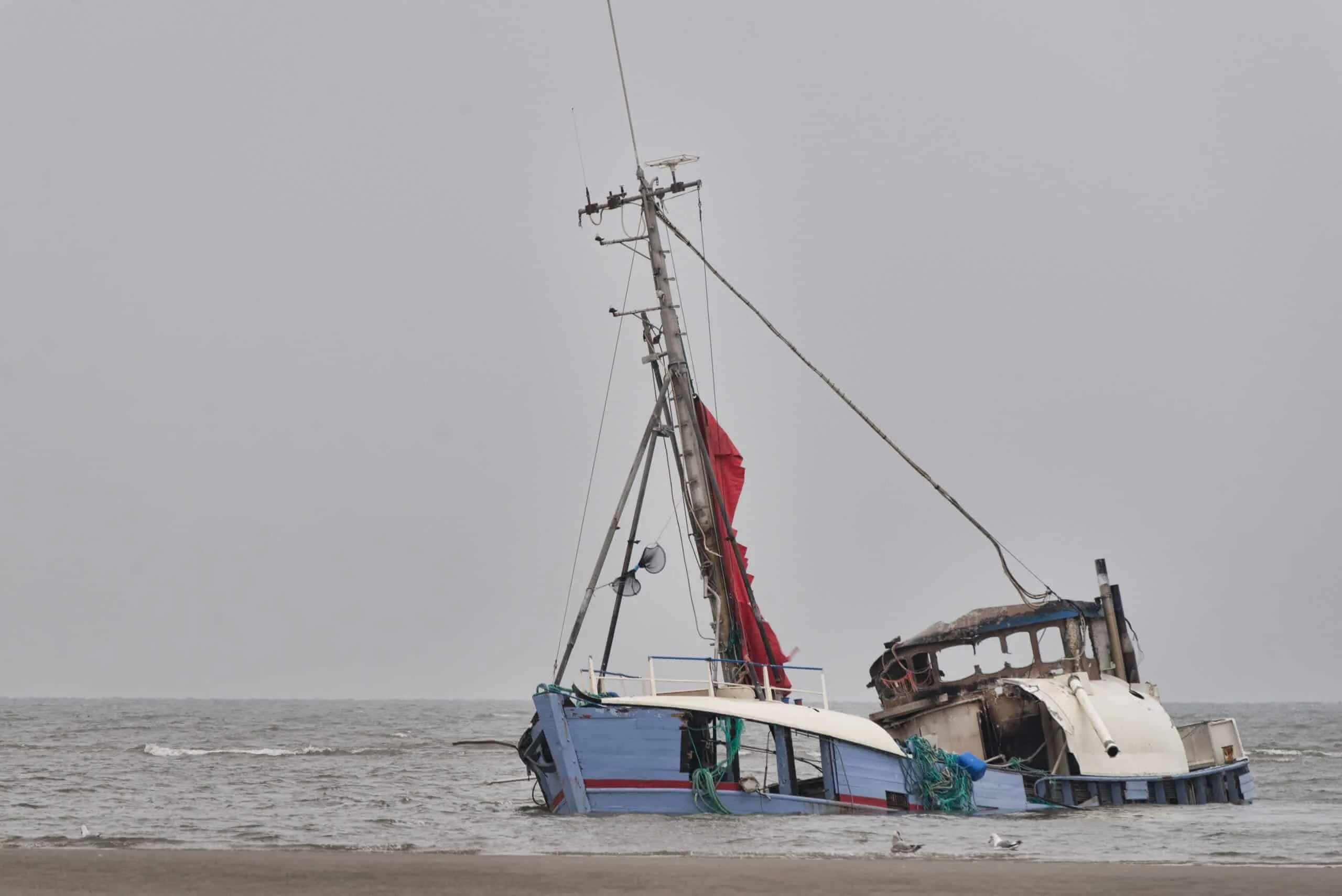
Learning from the Volga case in handling IUUF practices by Russian-flagged vessels in the Australian EEZ in December 2002, law enforcement and sanction arrangements for foreign vessels committing IUUF can be carried out with a policy of detaining the vessel and its crew to sinking and burning the vessel with the intention of creating a deterrent effect.
What Is Illegal, Unreported, and Unregulated Fishing (IUUF)?
IUUF consists of 3 (three) elements of crime, namely illegal fishing, unreported fishing, and unregulated fishing. Each of these crimes includes fishing activities that violate established rules.
Illegal fishing is a fishing activity that violates national and international laws, carried out by foreign vessels in waters under the jurisdiction of a country without official permits or licenses.
Unreported fishing refers to fishing activities where the catch is not reported to the competent national authorities or reported to unreported management organizations.
Unregulated fishing is a fishing activity carried out by ships without identification of nationality, and carried out in areas that do not yet have a national fishing conservation policy.



















Comments
0Share your perspective politely, stay relevant, and focus on the article. Comments appear after moderation.
Join the discussion
Write a clear, polite response that stays on topic.
No comments yet. Be the first to discuss.
Comments will appear after moderation.