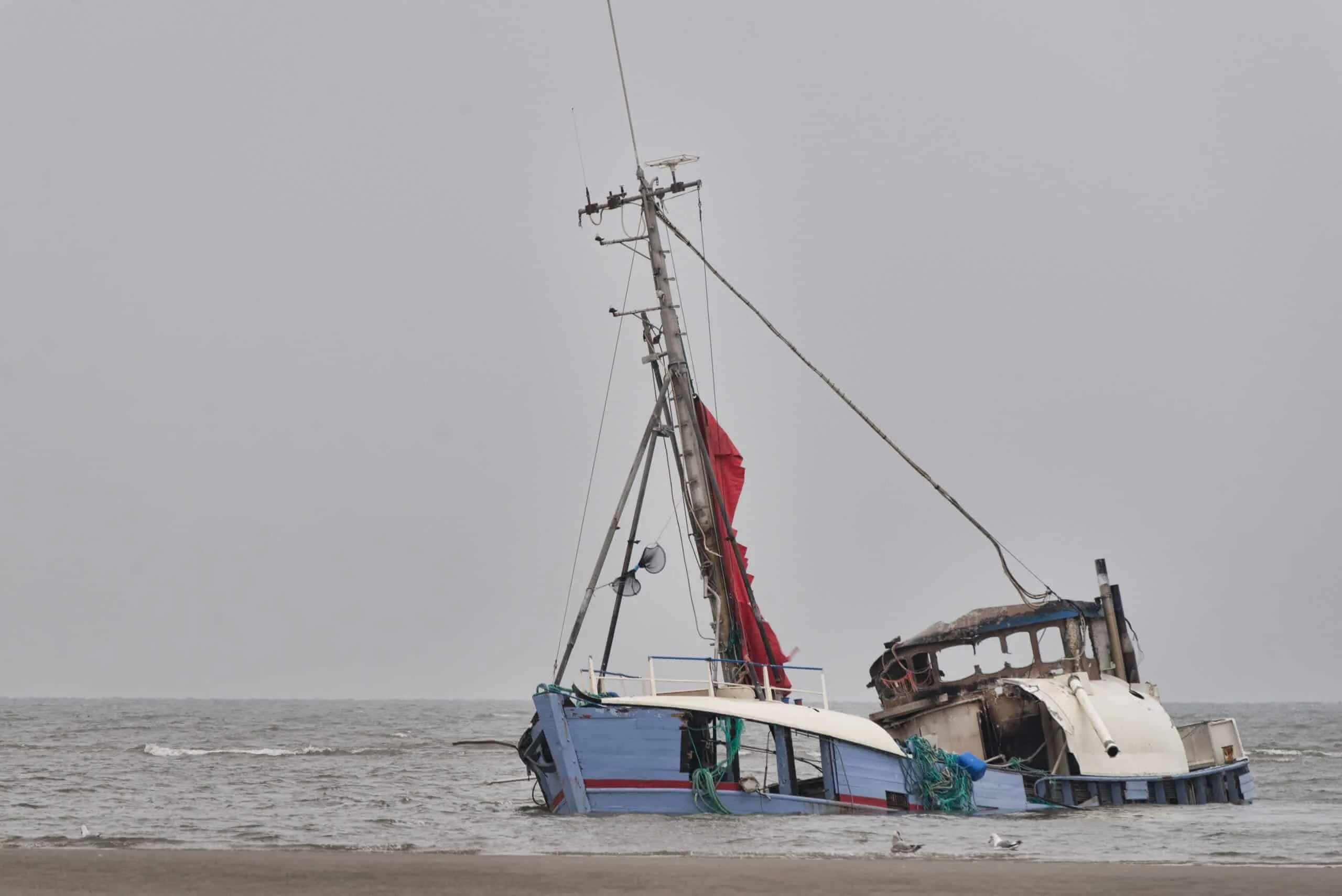
Legal Literacy - Indonesia, the largest archipelago in the world, is blessed with vast waters rich in marine resources. The potential of the marine economy, especially the fisheries sector, promises economic growth and prosperity for the nation. However, behind its great potential, Indonesian waters also face various challenges, one of which is the practice of Illegal, Unreported, and Unregulated Fishing (IUUF). This transnational organized crime threatens the sustainability of marine resources, maritime security, and hinders economic progress.
This article discusses the economic potential and strategic role of Indonesian waters; the threat of IUUF and its impact on maritime security and the economy; efforts to combat IUUF through law enforcement, human resource development, and global cooperation; as well as policy recommendations to realize sustainable and dignified water management.


Economic Potential and Strategic Role of Indonesian Waters
Indonesia's vast waters, rich in marine resources, are of great importance to Indonesia because they contain fishery resources that have great potential as a source of economic growth and are one of the drivers of national development. Indonesia has a territorial sea boundary of 12 miles towards the high seas measured by baselines connecting it to the outermost points of Indonesia's outermost islands according to the Djuanda Declaration, and the area of Indonesian sea that has been accepted in the United Nations Convention on the Law of the Sea (UNCLOS) 1982 is 5.8 million square kilometers. This position of Indonesia makes Indonesia have a central role in sea traffic.


















Comments
0Share your perspective politely, stay relevant, and focus on the article. Comments appear after moderation.
Join the discussion
Write a clear, polite response that stays on topic.
No comments yet. Be the first to discuss.
Comments will appear after moderation.