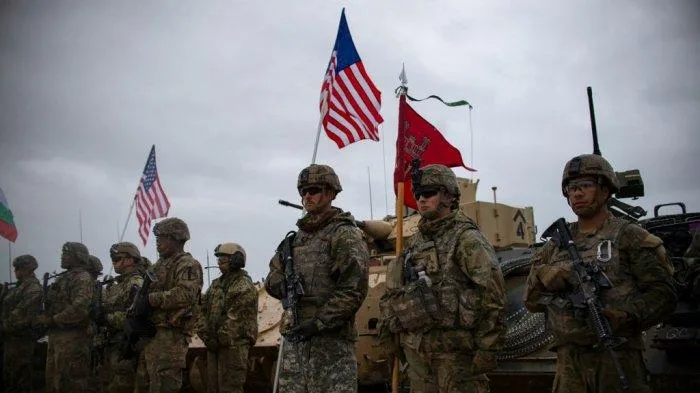
Military Involvement in Law Enforcement: Special Cases, Precedents, and Contemporary Concerns
In situations where law enforcement requires special expertise possessed by the military, there are mechanisms to involve military personnel. However, this involvement is very limited and specific. For example, military personnel can be removed from their military positions and placed within a civilian law enforcement framework, such as under certain federal agencies. An illustrative example can be found in films such as "Sicario", where law enforcement operations involve personnel with military expertise under the control of federal agencies. The use of Insurrection Act has precedents in the history of the United States. For example, in 1992, during the Los Angeles riots, this law was used to restore order. However, the use of this law in unusual contexts raises concerns. For example, in 2020, President Trump threatened to use Insurrection Act in response to domestic protests, which sparked debate about the limits of executive power and the role of the military in domestic affairs.
Comparison with Indonesia
The main difference between the United States and Indonesia in terms of military involvement in civilian affairs lies in the legal framework and control mechanisms in place. In the United States, there are strict restrictions on the role of the military in domestic law enforcement, with clear exceptions and procedures to be followed. In addition, the system checks and balances and the role of an independent judicial institution ensure that any abuse of power can be reviewed and corrected. In contrast, in some other countries, including Indonesia, the role of the military in civilian affairs may be broader, depending on the historical, political, and legal context of each country. It is important for each country to balance security needs with the principles of democracy and human rights, ensuring that military involvement in civilian affairs does not compromise the freedoms and rights of citizens.


In Indonesia, the role of the military in the civilian sphere is still a matter of debate, especially in the context of assistance duties and involvement in non-military aspects. Although reforms have limited the military's political role, the shadow of a long history of military involvement in politics is still felt today. The significant differences in legal and political construction in these two countries indicate that the United States has clear restrictions on the role of the military in civilian affairs, while Indonesia is still in the process of navigating the military's role in its civilian space.














Write a comment