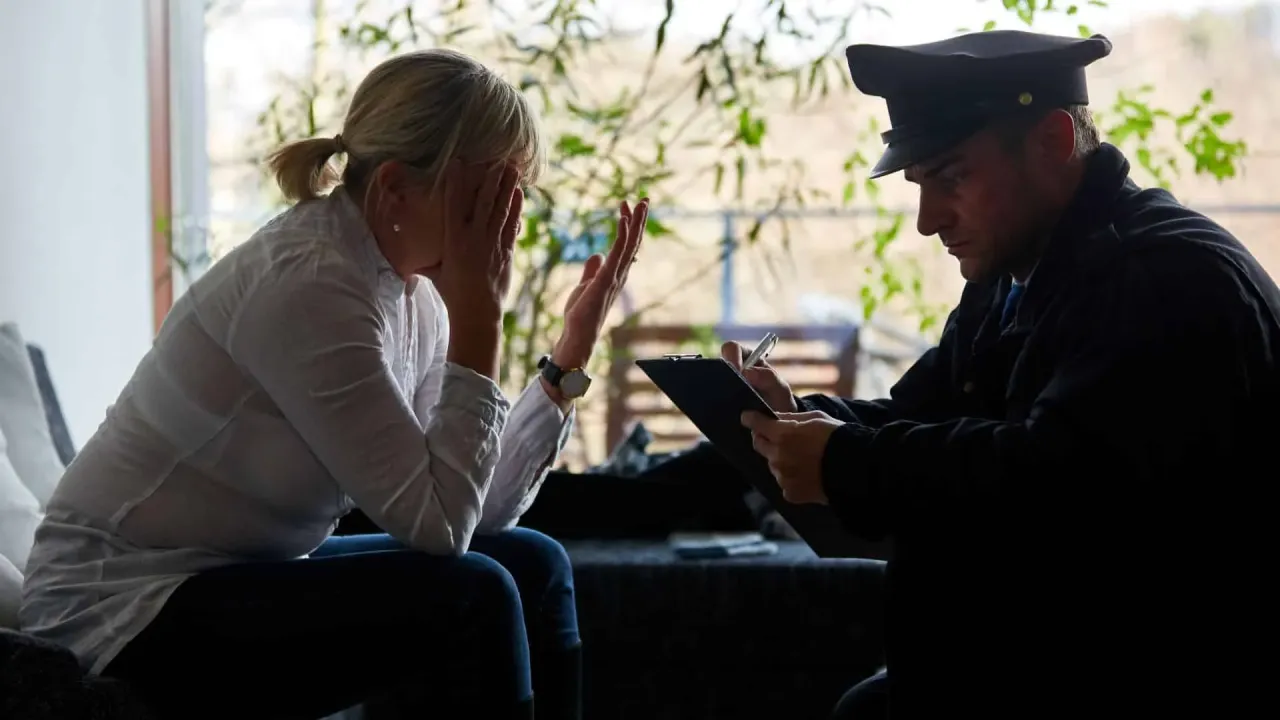
A witness can be accepted into the WITSEC program if the case in question is a significant case, the testimony given by the witness is of high value for the success of the prosecution and there is no other alternative to physically secure the witness.
Implementation of Witness and Victim Protection in Indonesia
The form of protection provided to witnesses in Indonesia is provided through a process of application to the LPSK, then the LPSK decides what protection programs will be granted. And if the program decided by the LPSK is approved by the witness, the witness signs a protection contract which contains the rights and obligations of the witness in participating in the LPSK protection program. The most important thing is the witness's willingness to provide information or assist the criminal justice process.


LPSK provides protection without distinguishing whether it is a witness from the region or in the center. What distinguishes it is the reach of the LPSK and the speed of handling, considering that the LPSK is still located in the center. The more detailed mechanism for protecting witnesses and victims is regulated in Chapter 2 of the Regulation of the Head of the Witness and Victim Protection Agency Number 6 of 2010 concerning Procedures for Providing Protection to Witnesses and Victims regarding the requirements and procedures for applying for protection.
Guaranteed protection for witnesses and victims is valid for life depending on the level of threat still experienced by the witness. This is related to Law No. 31 of 2014 concerning Amendments to Law No. 13 of 2006 concerning the protection of witnesses and victims which has regulated the rights of witnesses that can be facilitated by the LPSK in the form of obtaining a new identity and a new residence or place of residence. This long-term protection guarantee is of course given by law because of consideration of the level of threat to witnesses and victims in uncovering a criminal act which can also have a long-term impact.
Implementation of Witness and Victim Protection in the UK
Services and protection for witnesses and/or victims are carried out by the Witness Care Unit (WCU) in accordance with the provisions in the witness charter, namely:
- Fair treatment; Witnesses will be treated fairly and with respect, according to the needs of the witness, regardless of race, religion, background, gender, sexuality, age, or any disability.
Ease of Crime Reporting; Witnesses are given ease to report crimes and speed in following up. - Reporting; Upon submission of a report, it can be identified whether a witness is vulnerable or intimidated and asked whether the witness requires special protection.
- Investigation; If the witness's report is considered an alleged criminal act, the reporter is expected to be willing to provide information in court. During the investigation process, the reporter will be notified of the progress of their case every month.
- Preparing for court;
- Fulfilling the special needs of witnesses; Each witness will be provided with services according to the special needs of the witness in order to be able to testify before the court.
- Determining the time according to the witness's availability
- Giving priority to cases involving vulnerable witnesses, including child witnesses
- Notification of trial dates and minimizing unnecessary attendance; Notification before the trial date and ensuring the witness's attendance at the appropriate schedule for questioning.
- Information about the court process; The police, WCU or defense attorney will provide information to help witnesses prepare to attend court.
- Presence of family and friends;
- Court Facilities and signage; If a witness comes to court, the witness must be met politely and assist court staff. Service witnesses wear identification badges.
- Safety in court.
- Lawyers introduce themselves; If a witness attends court as a witness, the relevant lawyers will endeavor to introduce themselves to the Witness on the day and will endeavor to answer any practical questions the witness has.
- Waiting Room;
Special measures for vulnerable or intimidated witnesses;
1. Assisted communication; Witnesses have the right to give evidence in the witness's language of choice, including if an interpreter is required.
2. Witness oath; The taking of the oath for witnesses is carried out according to their religion.
3. Cross-examination;
4. Notified of the Verdict and case developments; Witnesses have the right to be notified of case developments including the verdict.
5. Appeal;
6. Claim Expenses; Witnesses can claim compensation for expenses incurred for testifying, including any loss of income while attending court to give evidence.
7. Complaints.
Implementation of Witness and Victim Protection in the United States
The United States implements protection for crimes at the federal or state level carried out by the US Marshal Service. The central government of America only provides hotel accommodation for witness and victim protection for a few days until the case is tried. In the context of witness protection, the United States has 4 main protection programs, namely the emergency witness assistance program managed by the prosecutor's office, the protection scheme run by the US Marshal Service, legal protection and protection in court hearings. Meanwhile, in the context of victim protection in the United States, there are 3 basic things for victims in the victim protection program, namely the right to security and safety, the right to information and the right to participation.
The United States implements a witness and victim protection program based on the Witness Protection Act 1984 (Witness Security Reform Act of 1984) which is carried out by the witness protection program unit, which is under the auspices of the Department of Justice in the criminal division, with the name of the institution being the Office of Enforcement Operations, witness protection special unit. The unit is authorized to establish representative offices in each state as part of the Department of Justice by integrating it into the duties and functions of other institutions, such as public prosecutors, the attorney general's office, the US Marshalls Service or other security units such as the FBI, Bureau of Prison, courts, Immigration and Naturalization Office and state governments.
The United States has developed a number of witness protection programs both at the federal and metropolitan levels. At the federal level, the national-scale witness protection program is within a legitimate framework to ensure that what is done to protect witnesses is considered lawful.
Closing
In developing a criminal justice system in Indonesia that is good in relation to the protection of witnesses and victims, the government needs to look at protection systems in other countries such as England and the United States. This needs to be used as a comparative study criminal law with other countries that have standards of protection for witnesses and victims so that it can be useful in the development and modernization of a better Indonesian criminal justice system. For example, the idea of informal settlement involving all parties to resolve cases of crime victims called “plea conference”, needs to be considered as an alternative to resolving cases of crime victims outside the court in Indonesia.
*This article represents the personal opinion of the author and does not represent the views of the Literasi Hukum Indonesia editorial team.















Write a comment