Read Also
See More
Ratification of the Draft Criminal Code Postponed, Further Discussion After the DPR Recess
Jakarta, Literasi Hukum – The House of Representatives (DPR) has confirmed that the ratification of the Draft Criminal Procedure Code (RKUHAP) will not be carried out in the near future. The discussion of the bill is cru...
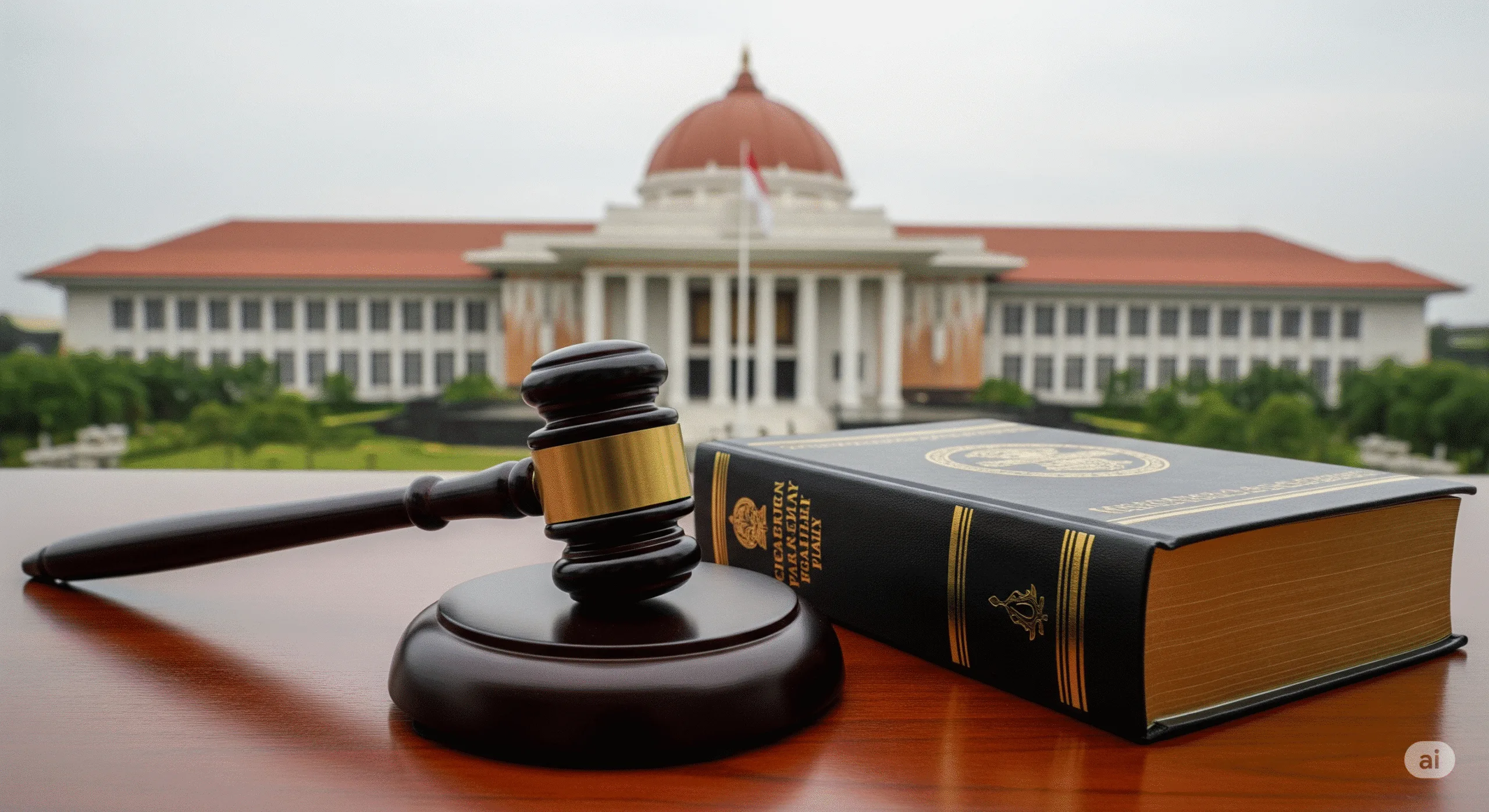
Jakarta, Legal Literacy – The House of Representatives (DPR) has confirmed that the ratification of the Draft Criminal Code Criminal Procedure Law The (Criminal Code Bill) will not be conducted in the near future. The discussion of this crucial Bill is confirmed to continue after the recess ends in mid-August 2025.
According to the Chairman of Commission III of the House of Representatives, Habiburokhman, this postponement is necessary because the drafting team and the synchronization team, tasked with refining the draft Criminal Code Bill, have not completed their work. This team was formed after Commission III and the government completed the discussion of 1,676 points in the List of Inventory Problems (DIM) in early July. The schedule, which initially targeted completion on July 21, was not achieved, while the House of Representatives will enter a recess on July 25, 2025.
While awaiting the continuation of the drafting team's work, Commission III of the House of Representatives is taking proactive steps by reopening the dialogue space. They plan to hold a series of Public Hearing Meetings (RDPU) that will involve various elements of society. The parties invited include civil society groups such as the Indonesian Legal Aid Foundation (YLBHI), which previously vocally demanded a halt to the discussion, as well as various advocate organizations that actually encourage this process to continue. Habiburokhman emphasized that the House of Representatives has an obligation to listen to and accommodate the aspirations of all parties.
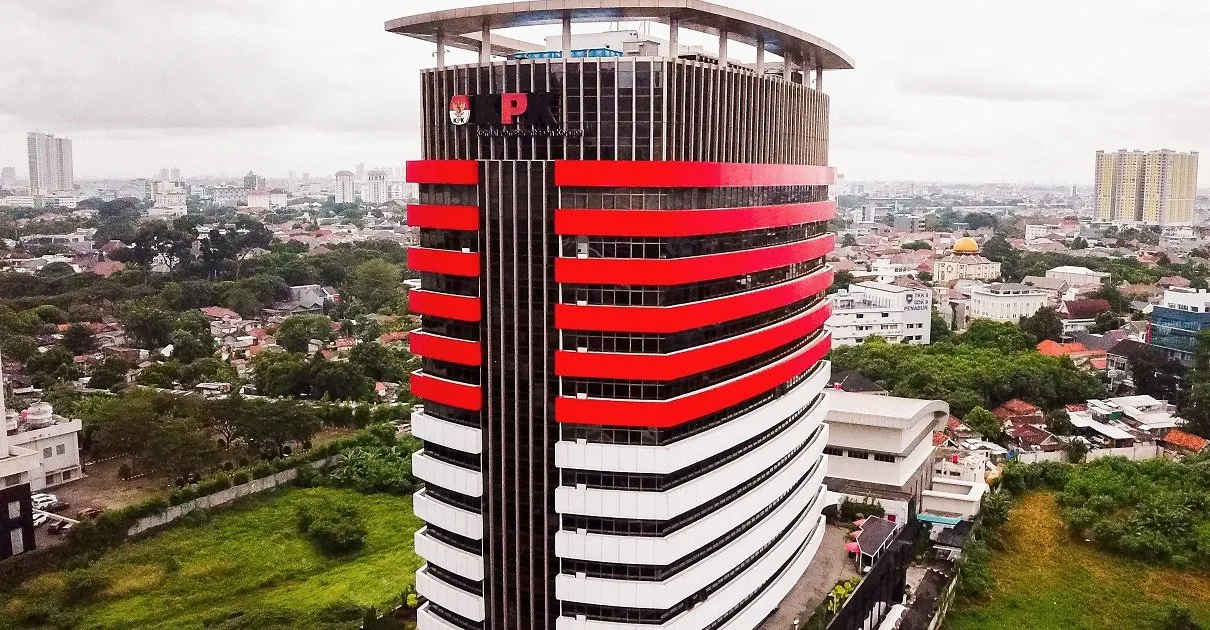
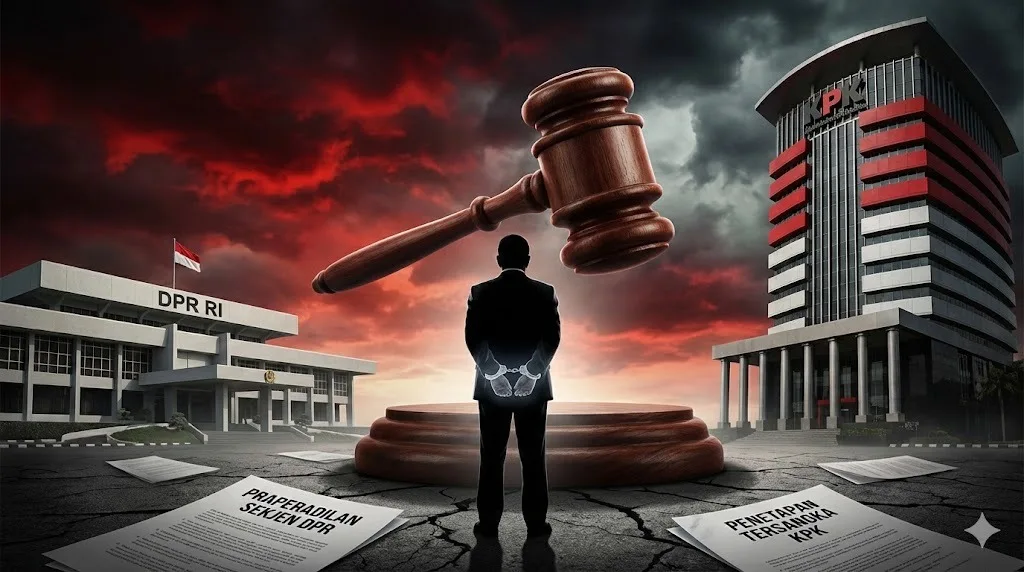
This postponement is also motivated by sharp criticism from various groups. Civil society groups have highlighted the discussion process, which is considered rushed, especially regarding the discussion of more than 1,600 DIMs which were completed in just two days. This process is considered to have minimal meaningful public participation. On the other hand, the Corruption Eradication Commission (KPK) has also voiced concerns about at least 31 articles in the draft Criminal Code Bill that have the potential to weaken or hinder the work of the anti-corruption agency. Until now, the KPK has not been officially involved by Commission III in the discussion.
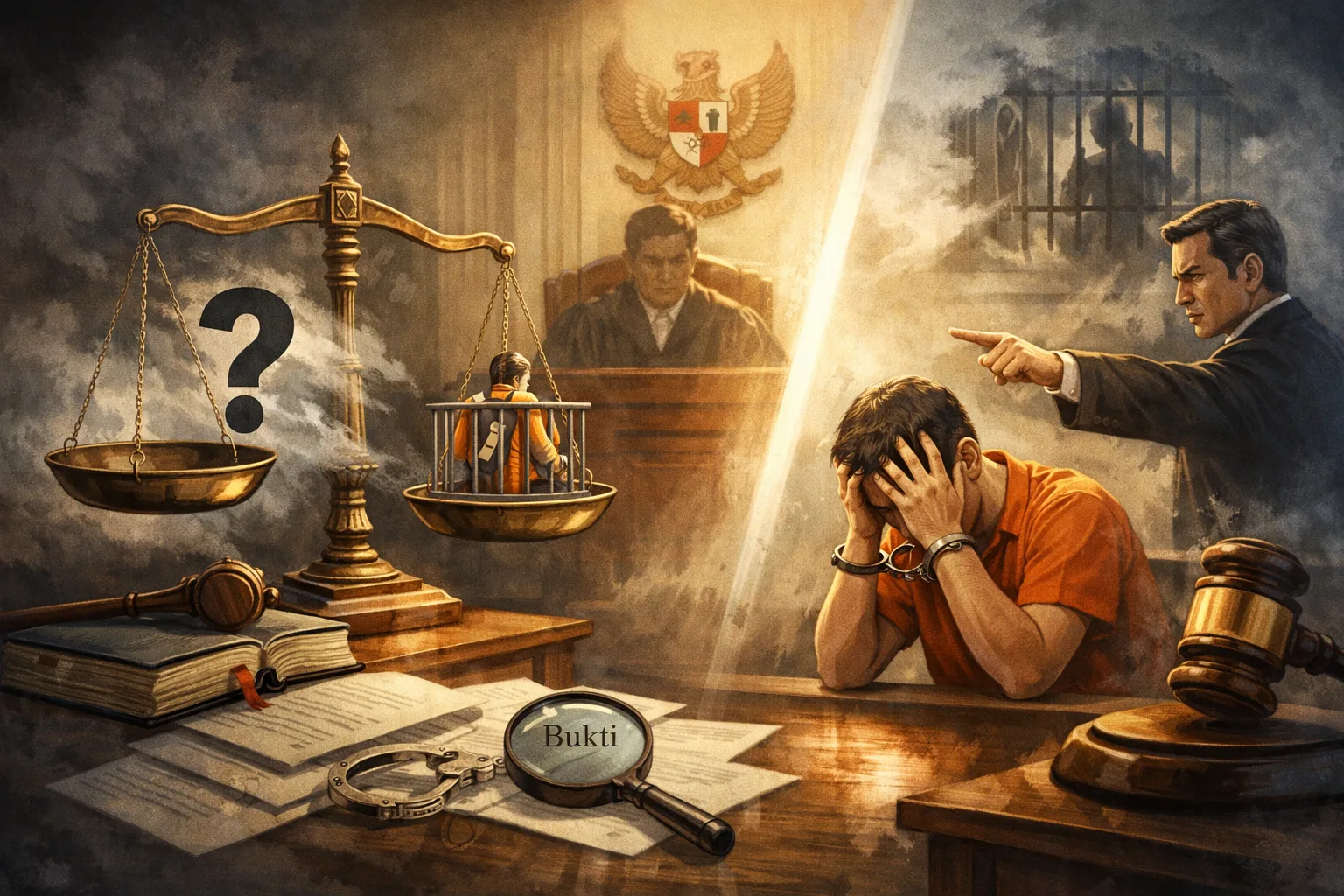
Responding to this criticism, member of Commission III Soedeson Tandra emphasized the commitment of the House of Representatives not to rush. He emphasized the importance of maintaining a careful balance between protecting the rights of citizens and the authority of law enforcement officials to prevent potential abuse of power (abuse of power).
Meanwhile, the DPR leadership, through Deputy Speaker of the DPR Cucun Ahmad Syamsurijal, stated that they would consider the proposal from Commission III if they wanted to continue discussions during the recess period, but the decision would depend on its urgency. Regarding the non-involvement of the KPK, Cucun argued that such coordination should be the domain of the government. According to him, institutions under the executive branch, including the KPK, should have unified their views in the preparation of the Inventory List of Problems (DIM) before being submitted to the DPR.



Support
• Indonesian Legal Literacy
Read more comfortably, while supporting literacy.
Join Membership or submit your article for publication.
Membership
Read without ads, more focused, and access premium features.
Submit Article
Submit your writing—we curate and help publish it. If it is published, you have the opportunity to earn points/payouts according to the provisions.












Comments (0)
Write a comment