

Social Assistance Policies in Indonesia
Social assistance is one of the important programs run by the Indonesian government in an effort to improve the welfare of the community, especially for vulnerable and underprivileged groups. This program aims to help ease the burden of life and provide support for those in need, so that they can meet their basic needs better. Overall, the social assistance program in Indonesia is an important effort in realizing social welfare and providing support for vulnerable groups in society. By continuing to optimize the implementation of this social assistance program, it is hoped that a more decent life can be enjoyed by all Indonesian citizens.
In accordance with Presidential Regulation No. 9 of 2015, concerning the Coordinating Ministry for Human Development and Culture, the Coordinating Ministry for Human Development and Culture is responsible for coordinating, synchronizing and controlling human and cultural development affairs. One of these affairs reaches the people's welfare program, through the provision of social assistance to the community. This assistance is provided to meet and guarantee basic needs and improve the living standards of social assistance recipients. This is in line with the mandate in Presidential Instruction Number 7 of 2014 concerning the Implementation of the Prosperous Family Savings Program, the Smart Indonesia Program, and the Healthy Indonesia Program for Building Productive Families.


The social assistance program for the people includes the Smart Indonesia Program (PIP), the National Health Insurance Program (JKN-KIS), the Family Hope Program (PKH), & Bansos Rastra/ Non-Cash Food Assistance. In addition to the programs above, the government also provides other social assistance such as decent housing assistance, natural disaster victim assistance, and assistance for isolated indigenous communities. The aim is to ensure that no citizens are left behind in efforts to improve community welfare.
Discourse on Providing Social Assistance to Online Gambling Victims.
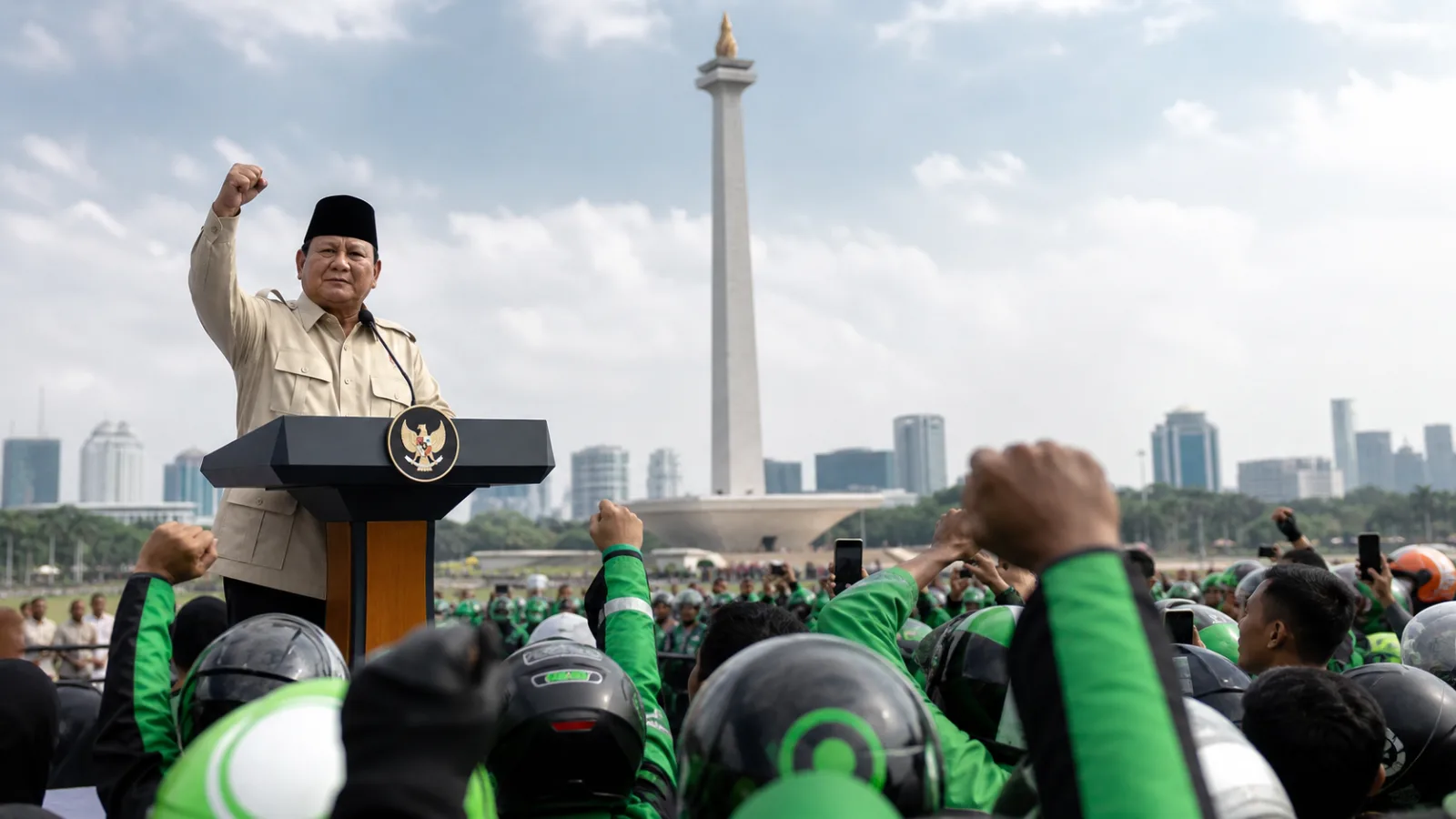
The Coordinating Minister for Human Development and Culture (Menko PMK) Muhadjir Effendy stated that online gambling victims have the potential to become new poor people and the government has a responsibility towards them. However, this discourse is still just a personal proposal and has not been discussed further with related ministries/agencies, especially those involved in the Online Gambling Eradication Task Force. Opinions regarding this discourse also vary. A number of parties criticized the statement of Menko PMK Muhadjir Effendy, while others considered that the provision of social assistance could be a means of assistance from the government. However, there are also those who doubt that the social assistance provided to online gambling victims will instead be used to gamble again.
The government has also provided advocacy to online gambling victims and advised the Ministry of Social Affairs to provide guidance to those experiencing psychosocial disorders. In addition, the Coordinating Minister for Economic Affairs, Airlangga Hartarto, does not agree with the discourse on providing social assistance to online gambling victims. However, President Joko Widodo has stated that the government will not provide social assistance budget funds to online gambling perpetrators or their families. Meanwhile, regarding the mechanism for providing social assistance to families affected by online gambling, this will be discussed with the Minister of Social Affairs. The names of online gambling victims will also be included in the Integrated Social Welfare Data (DTKS) so that they are entitled to receive social assistance.
Conclusion
The discourse on providing social assistance to online gambling victims has generated pros and cons in society. Some parties support it on the grounds that the government has a moral obligation to help its citizens who are trapped in online gambling addiction. However, others justify that this can be seen as justification or support for these illegal activities. These two points of view reflect the complexity of the problem and the need to find comprehensive and balanced solutions involving various related stakeholders.
The trend of online gambling development in Indonesia has experienced a significant increase in recent years, driven by technological advances and increasingly widespread internet access. This activity has created a lucrative black market for illegal business actors. Data from the Financial Transaction Reports and Analysis Center (PPATK) revealed high figures in online gambling activities in Indonesia during 2017-2022, with transaction values reaching IDR 190 trillion.
Despite the discourse on providing social assistance to online gambling victims, the President has confirmed his approval to provide social assistance to online gambling perpetrators themselves and their families. This statement by the President is in line with the attitude of not supporting or facilitating illegal online gambling activities. Meanwhile, advocacy and training efforts are more directed at helping to restore the condition of the victims.


















Comments
0Share your perspective politely, stay relevant, and focus on the article. Comments appear after moderation.
Join the discussion
Write a clear, polite response that stays on topic.
No comments yet. Be the first to discuss.
Comments will appear after moderation.