
During the Old Order era, leaders were still looking for the right model for the form of Pancasila as the state ideology. Moreover, the situation in the country was still colored by rebellions and an uncertain world situation.
During the New Order era, the government was committed to implementing Pancasila values in national and state life, and in the daily lives of every Indonesian citizen. This is what gave birth to several points of Pancasila and Guidelines for the Appreciation and Practice of Pancasila (P4).


Initially, the government and society were committed to implementing Pancasila values in full. However, during the New Order era, Pancasila values were only limited to writing, while in reality they were not implemented.
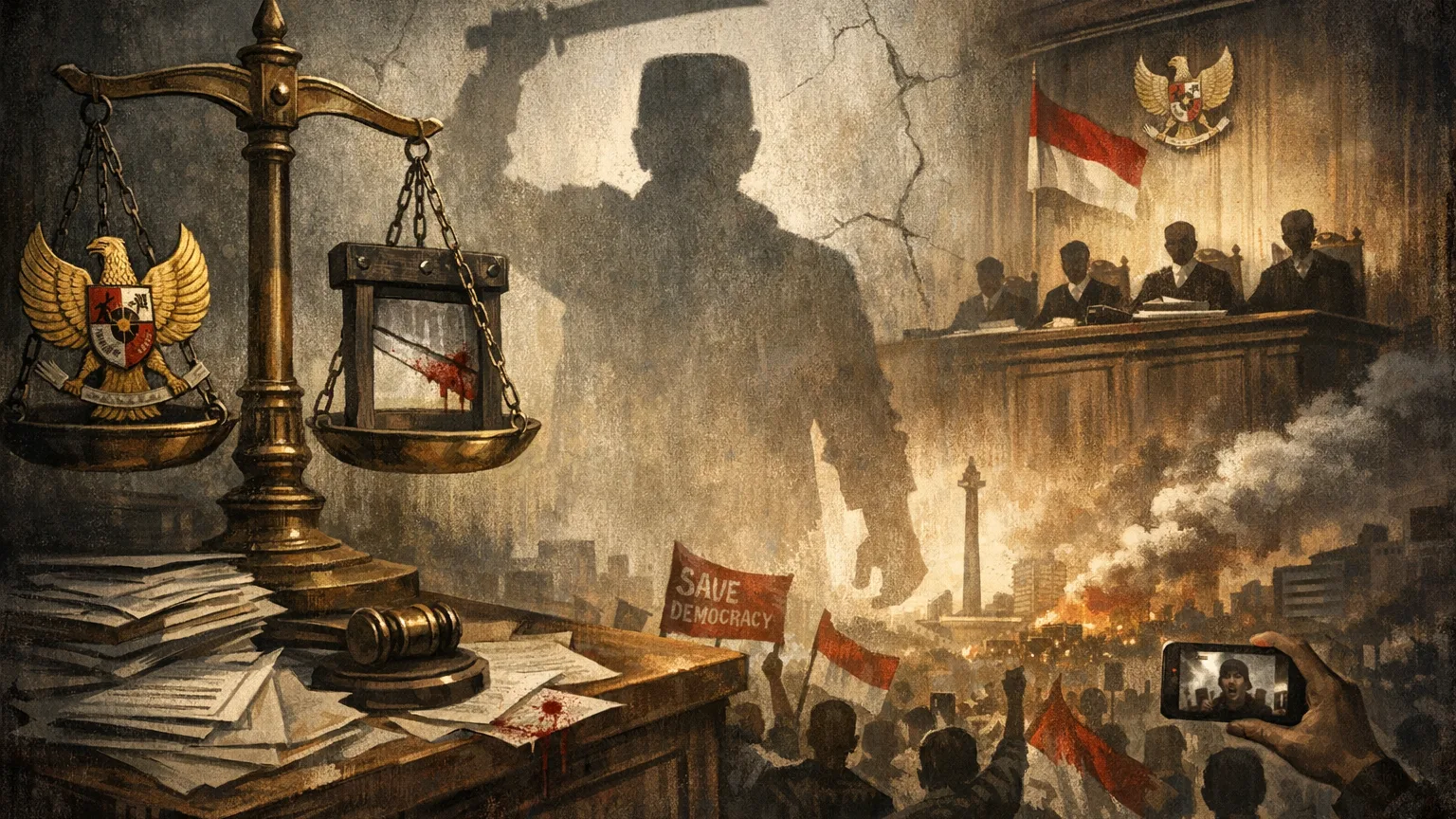
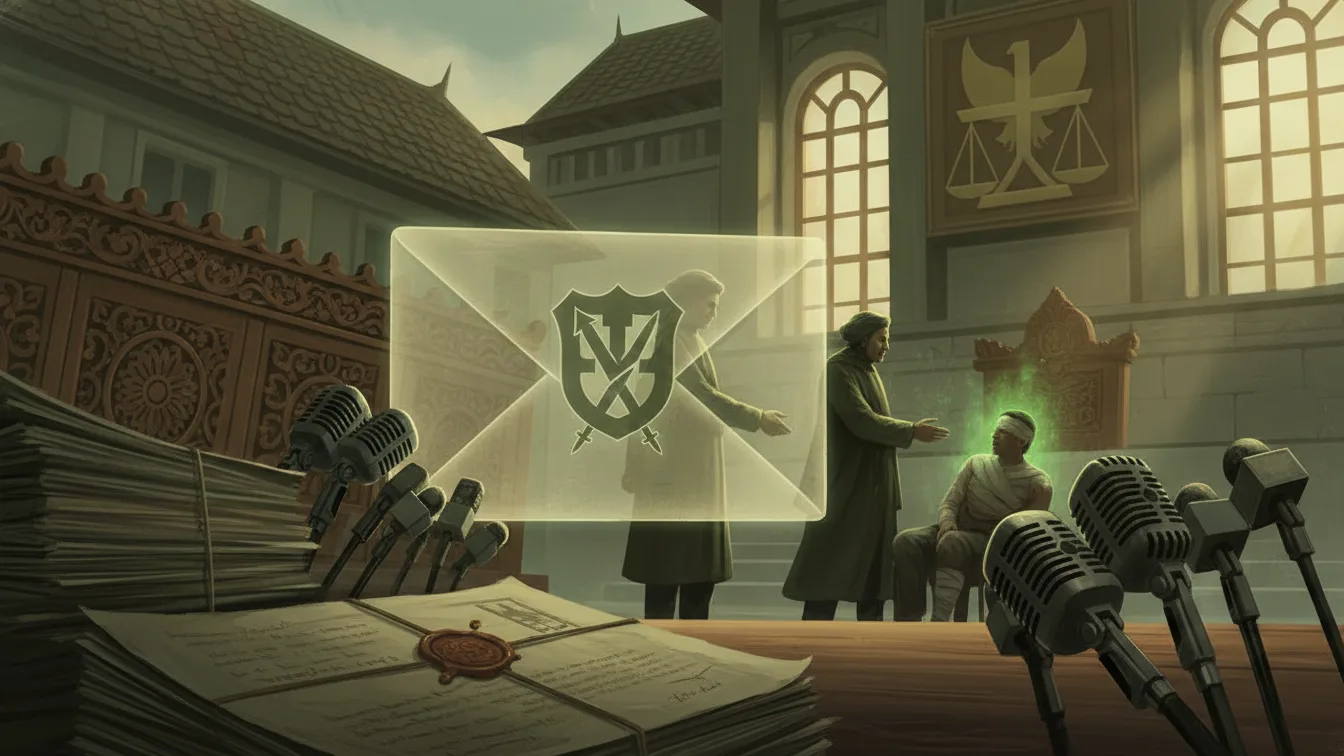
Examples include the extension of the President's term of office for 32 years, the interpretation of Pancasila which is regulated through the Guidelines for Appreciation and Practice of Pancasila according to the government's wishes, restrictions on freedom of expression in society, and other deviations from Pancasila values.
After the fall of the New Order era due to the distortion of Pancasila values, the reformation era arrived. In the reformation era, all parties promised to implement Pancasila values comprehensively and consistently.
Many articles, policies, and state regulations that were considered inconsistent with Pancasila values have been abolished or replaced with rules that are appropriate and in line with Pancasila values.



















Write a comment