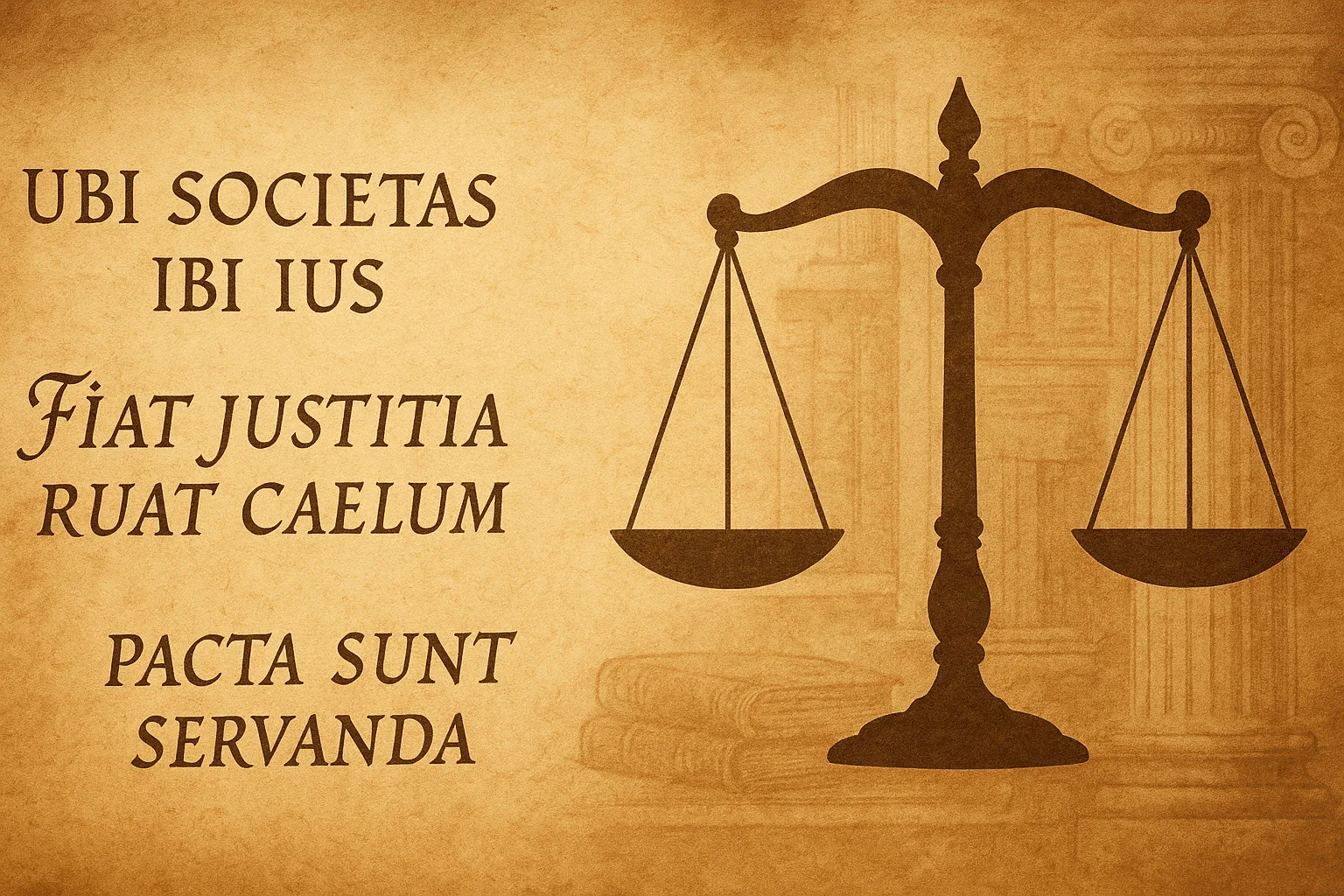
Functional Dimensions of Adages in Legal Architecture
The strength of adages lies in their philosophical and historical authority. Their function is multidimensional in the architecture of legal science.
-
Philosophical Function (Ratio Legis): Adages reveal the spirit and fundamental reasons (
ratio legis) of a norm, providing a moral and ethical foundation for why the law should be enforced. -
Interpretive Function (Interpretation Guide): When there is ambiguity or a legal vacuum, adages become a compass for judges to make legal discoveries (rechtsvinding), guiding them from literal interpretation to a fairer and more purposeful interpretation of the law (teleological).
-
Argumentative Function (Legal Instrument): In legal debates, adages serve as argumentum ad auctoritatem which is powerful. Citing them in judgments, pleadings, or scholarly works demonstrates depth of analysis and connects particular cases with universal legal truths.
-
Educational and Didactic Function: Adages are excellent teaching aids. They simplify complex legal concepts into easily digestible postulates, making them the first gateway for law students to understand fundamental principles.
Constellation of Adages: A Map of Universal Legal Wisdom
For a more structured understanding, here are some essential adages grouped by thematic area:


A. Fundamental Principles on the Existence of Law and Justice
-
Ubi Societas, Ibi Ius: "Where there is society, there is law." The foundation of the sociology of law which affirms law as an inherent social product.
-
Honeste Vivere, Alterum Non Laedere, Suum Cuique Tribuere: "Live honorably, do not harm others, and give to each person what is their due." Three basic legal commands from Ulpianus that encompass the entire purpose of law.














Comments
0Share your perspective politely, stay relevant, and focus on the article. Comments appear after moderation.
Join the discussion
Write a clear, polite response that stays on topic.
No comments yet. Be the first to discuss.
Comments will appear after moderation.