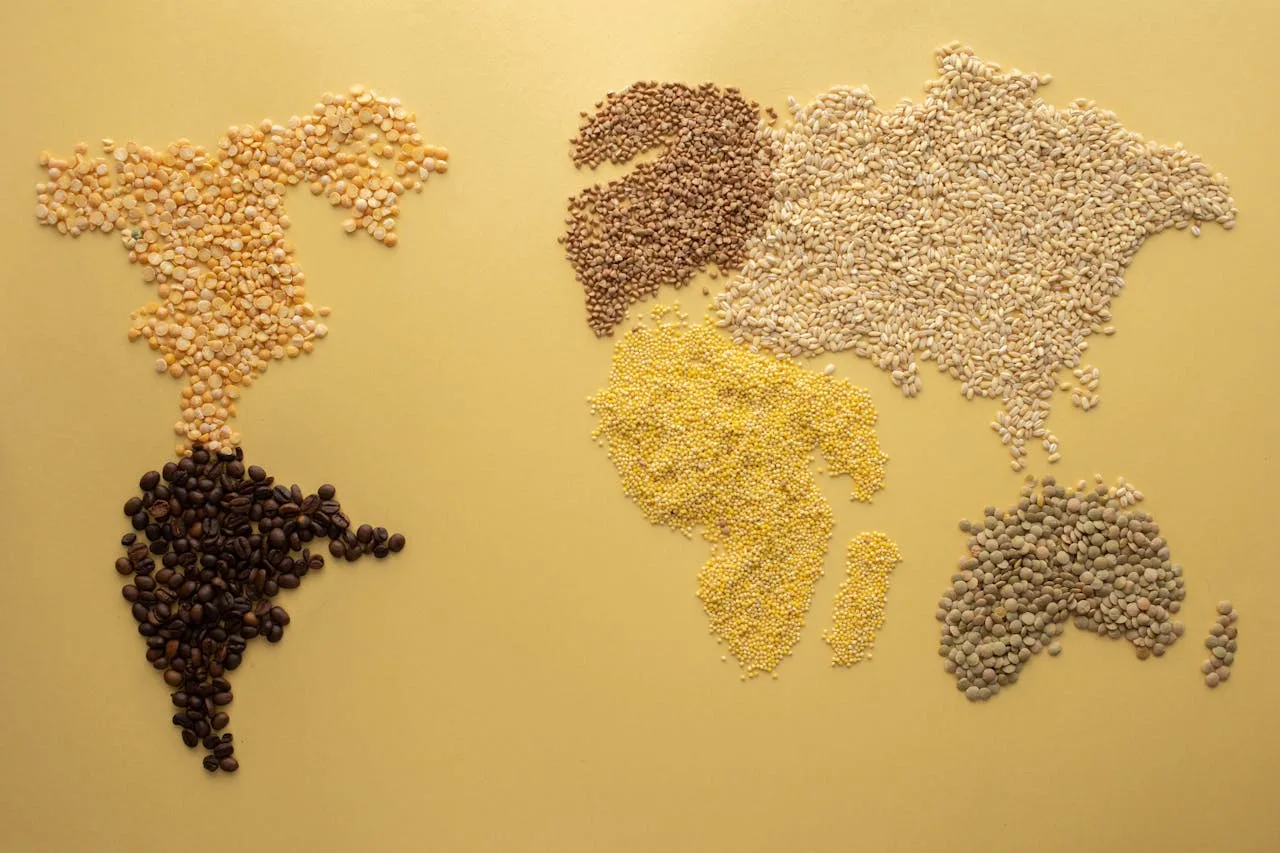
The Shifting Global Geopolitical Architecture and the Trigger of the 2026 Crisis
The world's geopolitical dynamics in the first quarter of 2026 have entered a highly dangerous phase, marked by direct military confrontation between the United States (US), Israel, and the Islamic Republic of Iran. Tensions that were initially characterized by asymmetric warfare and diplomatic rhetoric turned into open conflict on February 28, 2026, when a United States battle group and Israeli military forces launched massive air and sea attacks on strategic installations on Iranian soil. In-depth analysis shows that this escalation is not merely a bilateral incident, but rather the result of an accumulation of failed nuclear negotiations in Geneva and a shift in security interests in the increasingly complex Gulf region. The attacks reportedly destroyed vital infrastructure in Tehran, triggering a retaliatory response from Iran targeting US military bases and economic assets in neighboring countries such as Saudi Arabia, the United Arab Emirates, and Qatar.
The death of Iran's supreme leader, Ali Khamenei, confirmed amidst the raging conflict, created a power vacuum that was immediately filled by a more conservative and aggressive military faction. This situation prompted Iran to take the extreme step of de facto closing the Strait of Hormuz starting in late February 2026, an action that immediately triggered panic in global commodity markets. Indonesia, as a country that upholds a free and active foreign policy, is in a very vulnerable position. Although the administration of President Prabowo Subianto continues to strive for proactive diplomacy as a bridge-builder (bridge-builder), the economic impact of this conflict cannot be avoided through diplomatic channels alone.


The systemic impact of this war is beginning to spread to the sectors that are most fundamental to the nation's survival, namely energy and food. The nature of the war, which now involves controlled cyber attacks and mass disinformation, is accelerating escalation beyond the reach of traditional diplomatic control. For Indonesia, the destruction of infrastructure in Tehran and attacks on energy facilities in the Gulf region mean the disruption of the supply of raw materials for the fertilizer industry and primary energy, which have been the foundation for national agricultural productivity. Projections show that without immediate de-escalation efforts, the socio-economic stability of Indonesian society will face its toughest test since the global food crisis of 2022.

















Comments
0Share your perspective politely, stay relevant, and focus on the article. Comments appear after moderation.
Join the discussion
Write a clear, polite response that stays on topic.
No comments yet. Be the first to discuss.
Comments will appear after moderation.