
Trending Topic
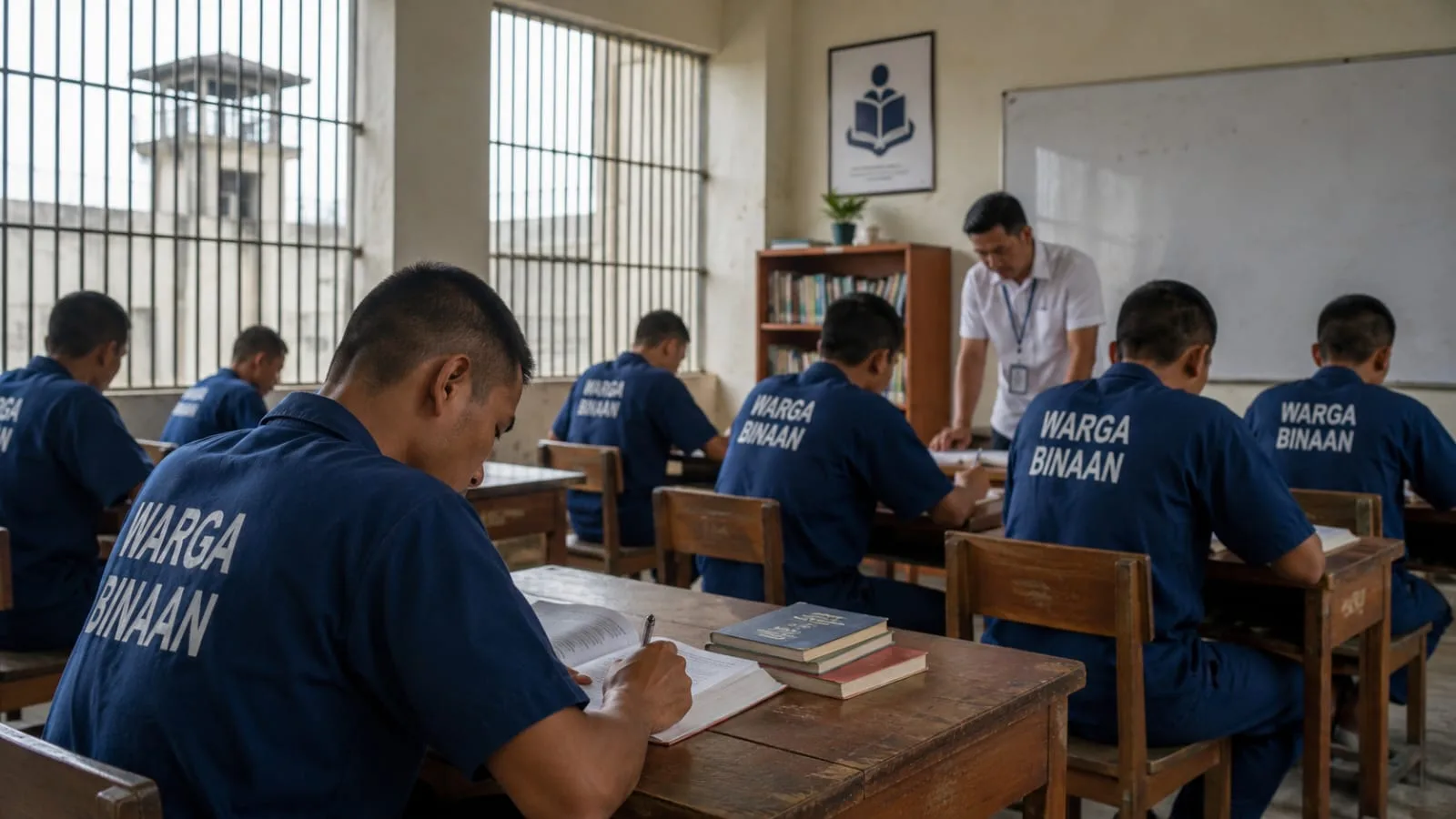
Hashtag#IndonesiaGelapbecame a trending topic in this era, reflecting public concern about various policies that are considered not in line with democratic principles. This phenomenon shows public dissatisfaction with the direction of policies that are considered to pay less attention to the aspirations of the people and do not support the ideals of democracy.One of the crucial issues behind the emergence of this hashtag is inequality in the education sector. Many parties highlight how unequal access to and quality of education is becoming more real, especially for underprivileged groups. Besides that, the hashtag #IndonesiaGelap also carries meaning as a form of warning that inefficient education budget, on the contrary, risks reducing the quality of education services
As quoted from the Instagram account@folkshitton February 19, 2025, this phenomenon is a reflection of the wounds for our brothers and sisters in Papua. In a heartbreaking portrait, students are seen gathering actions with calls,"Nature has provided everything, what we need is Free Education."This expression reflects deep anxiety regarding unequal access to education, even though the constitution has mandated the right to education for every citizen. Ironically, in the midst of the struggle for access to quality education, another no less serious concern arises—namely the effectiveness of the programFree Nutritious Meals (MBG)". This program should be a solution for children who need nutritional intake, but instead reveals a bitter reality for others. Imagine, a child gets a free lunch at school, but when he returns home, he finds his family still struggling with hunger. Instead of being a comprehensive solution, this program actually shows a widening gap of inequality. The author emphasizes that the current urgency is not to reject the policyMBG, but rather to encourage a deeper evaluation. There needs to be a balance in social policies so that government-initiated programs truly provide holistic benefits, not just short-term solutions and ignoring more strategic programs.FlashbackFurthermore, reflecting on the regional industrial sector of Raja Ampat, such as the tourism industry in the Waigeo and Misool regions, it is still managed by foreigners. The Raja Ampat area is still a priority for community service that is still short-term. Based on field facts, it is proven that improving the quality of human resources still needs attention and is sustainable. Therefore, to optimize human resources for industry, intellectual local human resources are needed, especially in the fields of technology and tourism development, as well as supported by other fields. The author realizes that achieving an improvement in the quality of Raja Ampat's human resources requires collaboration and intensive efforts towards the quality of education and partnerships in the Raja Ampat industrial sector. The Sustainable Development Goals (SDGs) are a global development agenda initiated by the United Nations (UN) and adopted by 193 countries, including Indonesia. This agenda contains 17 main goals that are targeted to be achieved perfectly by 2030. One of the main principles promoted in the SDGs is "No One Left Behind", which means that no individual or group should be left behind in the development process. In the journey towards Indonesia Emas 2045, the SDGs play a very crucial role in realizing sustainable development in Indonesia. To achieve this vision, a directed strategy and sustainable implementation are needed, especially in the education sector. The UN itself has emphasized that Indonesia's success in achieving the 2030 SDGs and Indonesia Emas 2045 depends heavily on the quality of superior and competitive Human Resources (HR). One of the main indicators in creating quality human resources is increasing access to and quality of education. With that, investment in the education sector must be a top priority and the government needs to synergize in creating an inclusive and equitable education ecosystem, so as to create a generation of successors who are able to bring Indonesia towards a brighter and more sustainable future.















Comments
0Share your perspective politely, stay relevant, and focus on the article. Comments appear after moderation.
Join the discussion
Write a clear, polite response that stays on topic.
No comments yet. Be the first to discuss.
Comments will appear after moderation.