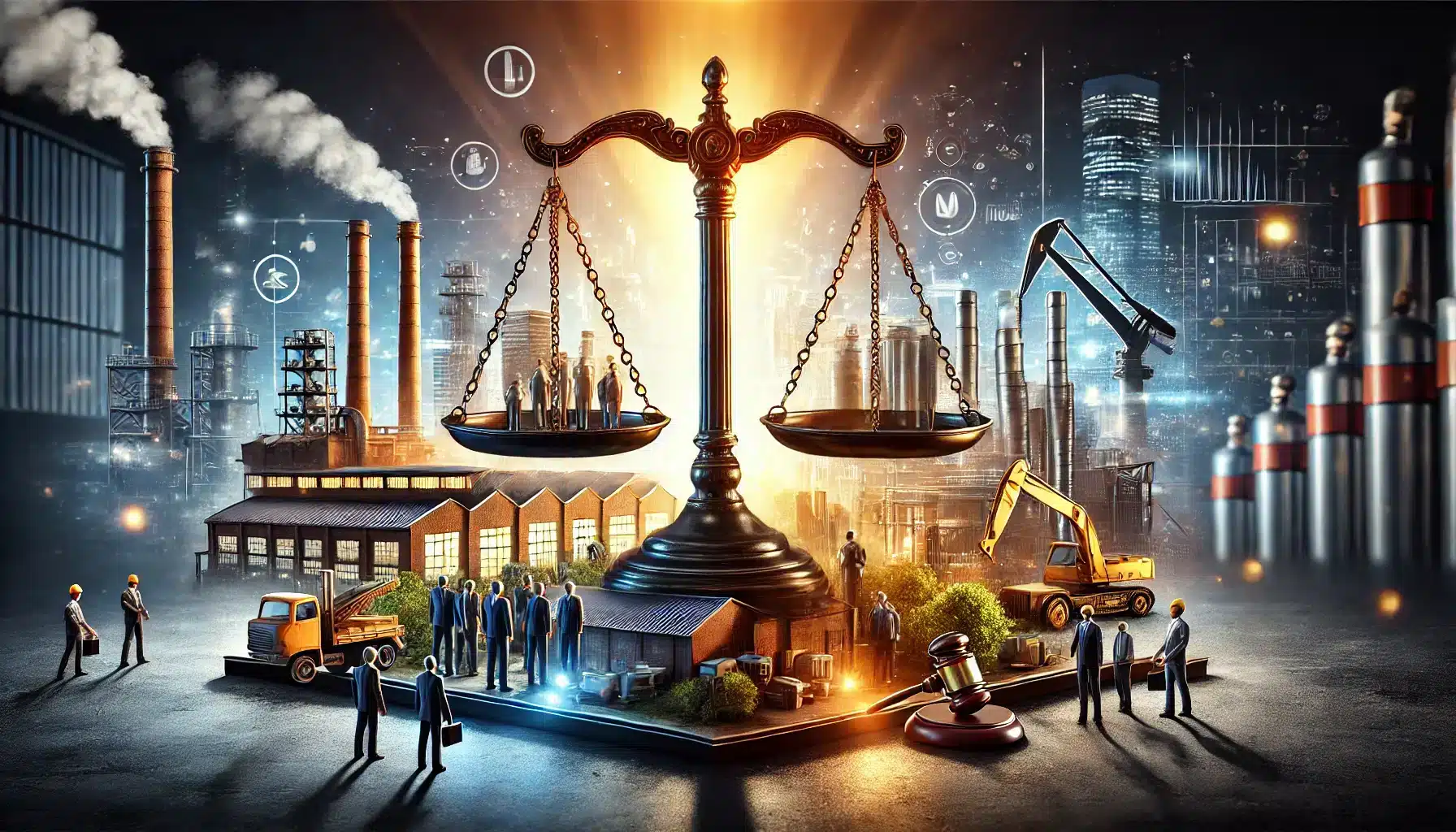
Legal Literacy - This article discusses the settlement of industrial relations disputes, which includes protection for workers, especially in cases of unilateral termination of employment (PHK) by the company. This article reviews the types of termination disputes, settlement mechanisms through the Industrial Relations Court (PHI), as well as legal provisions governing compensation and legal protection for workers with Fixed-Term Employment Agreements (PKWT). In addition, this article also explains the efforts that employers must make in the termination process to comply with applicable legal rules.
Settlement of Industrial Relations Disputes
Protection for workers in reality has not been implemented as expected. This is evidenced by the rise of demonstration cases, strikes that often end with unilateral termination of employment (PHK) by the company. Termination disputes are disputes that occur related to disagreements in the implementation of unilateral termination of employment, which will be carried out by the company to workers or laborers, both approval of the termination itself, the termination process carried out, and the amount of severance pay received. Types of termination disputes can be filed to the Industrial Relations Court (PHI) at the District Court in the legal area of the parties who made the agreement.


The settlement of industrial relations disputes is generally regulated in Law Number 13 of 2003 concerning Manpower (Manpower Law) and specifically regulated in Law Number 2 of 2004 concerning Settlement of Industrial Relations Disputes (UU PPHI). The law regulates procedures for resolving industrial relations disputes that are more repressive through judicial channels. Industrial relations disputes occur between workers/laborers and companies or between worker/labor organizations and company organizations. Industrial relations policies regulate the principles of work agreements and company regulations that contain provisions on the rights and obligations of employers and workers. Employers have the authority to regulate the work system, division of labor and work teams, and are obliged to fulfill workers' rights, such as the right to receive wages and social security and protection for worker safety and health.



















Comments
0Share your perspective politely, stay relevant, and focus on the article. Comments appear after moderation.
Join the discussion
Write a clear, polite response that stays on topic.
No comments yet. Be the first to discuss.
Comments will appear after moderation.