
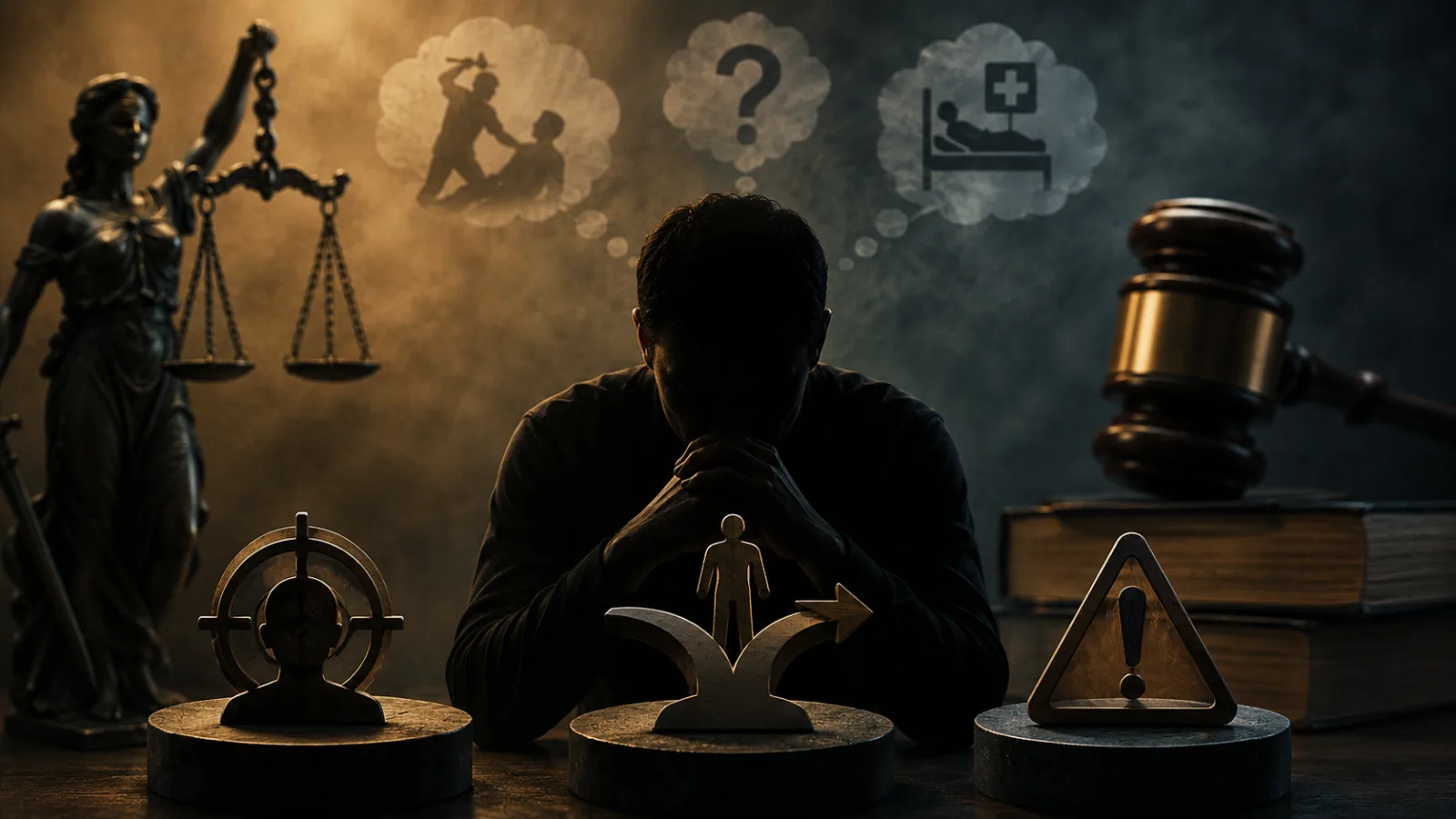
Legal Literacy - Environmental issues in Indonesia are not only related to natural problems, forests, or climate change, but are also closely related to democracy and human rights. Environmental activists, indigenous peoples, and academics who voice their rejection of extractive projects often face threats, intimidation, and even criminalization. For example Daniel Frits Maurits Tangkilisan who continues to voice #Savekarimunjawa due to illegal shrimp ponds, he was imprisoned and received pressure for voicing his aspirations in the media. Daniel is one of the people who cares about the environment and is criminalized. This phenomenon is known as Strategic Lawsuit Against Public Participation (SLAPP), which is the use of legal instruments to silence public criticism.
Amidst the rampant cases of criminalization of environmental activists, the Constitutional Court through Decision Number 119/PUU-XXIII/2025 is present to bring new hope. This decision reaffirms the position of Anti-SLAPP in Indonesian law, providing stronger protection for individuals who care about the environment. Furthermore, this decision also affirms the close relationship between environmental protection, democracy, and human rights as guaranteed by the constitution.Democracy & Shrinking Public Space
True democracy requires space for citizens to criticize, participate, and voice their aspirations, including criticism of development policies that damage nature. When voices of criticism are answered with criminal proceedings, democracy becomes merely a slogan.Daniel's case shows how legal processes can be used to suppress democratic space. The reporting process, rapid trials, social pressure, threats of intimidation—all these elements signal that voicing environmental damage can lead to criminalization. Criminalization of activists actually creates a chilling effect. People become afraid to speak up, democratic space shrinks, and ultimately public decisions are dominated by political and corporate interests.


Thus, Anti-SLAPP is not just a technical legal instrument, but also a prerequisite for democracy. Without this protection, public participation will always be under threat.
Anti-SLAPP as Hope for Justice
SLAPP was first discussed in the United States in the 1980s. As a response, the Anti-SLAPP mechanism was born, namely legal protection so that public participation is not paralyzed by lawsuits or criminalization. In Indonesia, this term appears in Law No. 32 of 2009 concerning Environmental Protection and Management (PPLH), specifically Article 66, which affirms that everyone who fights for the right to a good environment cannot be prosecuted criminally or civilly. However, in practice, this article is often ignored by law enforcement officials. Many cases show that citizens and activists are still being criminalized with various general articles, namely: Article 28 paragraph 2 of the ITE Law concerning hate speech, Article 406 of the Criminal Code concerning the crime of destruction, etc. In Daniel's case, the ITE Law article was used as a weapon against critical expressions about pollution and water contamination. This is a classic form of SLAPP: the right to speak is contested against legal power controlled by those with vested interests. PBHI calls Daniel's case a classic example of SLAPP, which demonstrates the inequality between reporters who have legal knowledge, wealth, and access to legal processes versus ordinary activists. Constitutional Court Decision Number 119/PUU-XXIII/2025 if applied consistently, it could strengthen the position of Anti-SLAPP as a legal instrument that protects people like Daniel, so that environmental criticism is not immediately considered a criminal offense.Reflection & Future Directions Regarding the Constitutional Court Decision
Daniel's case serves as an example and a stark reminder that legal protection is not enough on paper—it must be realized in reality. Several things to note:
-
Clear and operational interpretation of Anti-SLAPP
Constitutional Court Decision 119/PUU-XXIII/2025 needs to be translated into operational guidelines for law enforcement officials so that they know when a public lawsuit should be rejected, not continued. Because the Constitutional Court's decision clearly states that Article 66 of the UUPH does not have conditionally binding legal force. This protection is intended to prevent retaliation through criminal sanctions, civil lawsuits and/or other legal efforts while still respecting judicial independence.
-
Socialization & education to officials and the public
Many law enforcement officials do not yet understand the concept of Anti-SLAPP and protection for environmental critics. The public also needs to be given literacy so that they know their rights when voicing criticism of the environment. Guarantees for the protection of criminalization of environmental activists and people who care can safely express their thoughts without worry.
-
Civil society solidarity becomes a reflection of law enforcement
Daniel's case went viral and received widespread support—this is one of the important factors that turned legal pressure into public support. No viral, no justice, as Daniel himself once called it. However, this becomes a reflection of whether justice must be published with the virality of a case, or together law enforcement and the government improve the system.
The Gate of Justice is Open
Constitutional Court Decision 119/PUU-XXIII/2025 is a new gateway to environmental justice. It opens up space so that citizens who fight for the environment are no longer seen as enemies of development, but as part of democracy itself. Protecting environmental activists means protecting our common rights: the right to clean air, healthy water, and a habitable earth. Criminalization will only silence critical voices, even though those voices are what keep development on the side of the people and sustainability.Now, the ball is in the state's hands; will this decision really be implemented, or will it be left as an empty promise? History will record whether we choose to silence environmental defenders, or embrace them as pillars of democracy and guardians of the future of the earth.















Comments
0Share your perspective politely, stay relevant, and focus on the article. Comments appear after moderation.
Join the discussion
Write a clear, polite response that stays on topic.
No comments yet. Be the first to discuss.
Comments will appear after moderation.