
Book I: Persons
This book regulates the status and capacity of individuals in law, including civil rights, marriage, and family relations. Important matters regulated in Book I include:
- Status and Legal Capacity: Determines who has the legal capacity to act and perform legal acts, including regulations regarding minors, adults, and people with mental disorders.
- Marriage and Divorce: Regulates the conditions for the validity of marriage, the rights and obligations of husband and wife, and divorce procedures.
- Family Relationships: Regulates the rights and obligations between parents and children, as well as adoption.
Book II: Things
This book regulates property rights and other property rights such as business use rights, lease rights, and mortgages. Some important provisions in Book II are:
- Property Rights: Explains the owner's exclusive rights to an object and how to acquire and lose ownership.
- Other Property Rights: Regulates various property rights other than ownership, such as business use rights (rights to land for agricultural businesses), building use rights (rights to erect buildings on other people's land), and usage rights (rights to use land or objects belonging to other people).
- Mortgages and Guarantees: Regulates pledges and mortgages as forms of debt security.
Book III: Obligations
This book regulates legal relationships arising from agreements and laws, including contracts, debts, and civil liability. Some important aspects in Book III include:
- Agreement: Explains the legal requirements of an agreement, the obligations and rights of the parties in the agreement, and the legal consequences of the agreement.
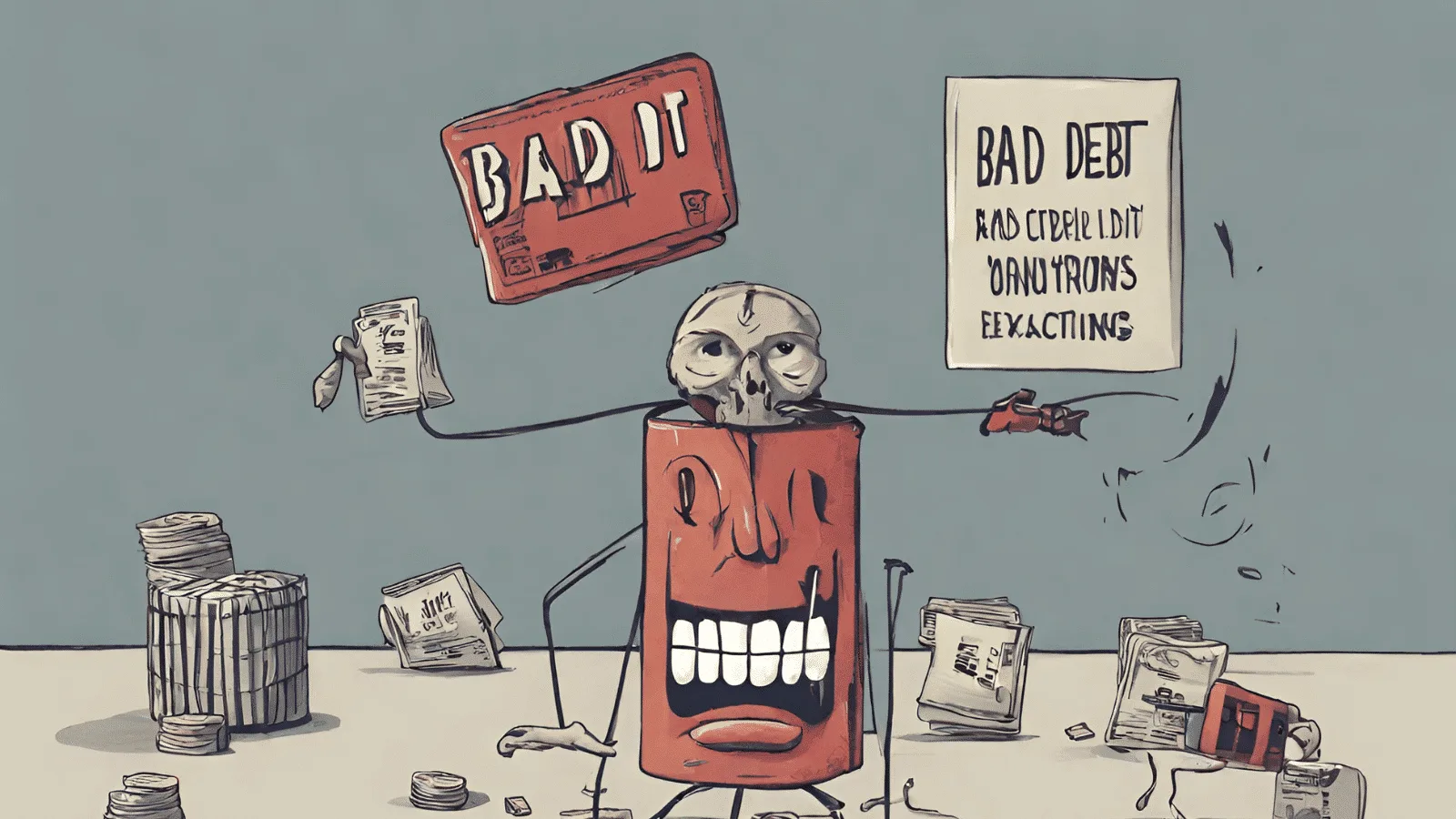
- Debts: Regulates the debtor's obligation to pay debts and the creditor's right to collect debts.
- Civil Responsibility: Explains the liability arising from unlawful acts (onrechtmatige daad) and negligence (wanprestasi).
Book IV: Evidence and Statute of Limitations
This book regulates the methods of proof in court and the time limit for filing lawsuits (statute of limitations). Important aspects in Book IV are:
- Evidence: Regulates the various types of evidence that can be used in court, including written evidence, witnesses, confessions, oaths, and judge's assessments.
- Expiration: Explains the time limit given to file a lawsuit, after which the right to sue is forfeited.




















Write a comment