

Legal Literacy - Sociological analysis of Law Number 12 of 2022 concerning Sexual Violence Crimes (UU TPKS). This article discusses the challenges of implementing the UU TPKS through Soerjono Soekanto's theory of legal effectiveness, socio-cultural factors, and the importance of legal socialization to protect victims of sexual violence in Indonesia.
Sociological Review of Law Number 12 of 2022 (UU TPKS)
Sexual harassment in Indonesia is a complex and concerning legal phenomenon. With increasing public awareness of this issue, the government finally created and passed Law Number 12 of 2022 concerning Sexual Violence Crimes (UU TPKS). Although this law is expected to provide better protection for victims, the challenges in its implementation are still very significant. In this context, Soerjono Soekanto's theory of legal effectiveness can be used to analyze how the UU TPKS can be implemented optimally.


Background of Sexual Violence Crimes in Indonesia
Sexual violence crimes in Indonesia have become a serious concern in recent years. Data from Komnas Perempuan shows that the number of sexual violence cases continues to increase, with more than 340,000 reports in 2021 alone. These cases include various forms of harassment, including rape, sexual harassment, and sexual exploitation of children. The high rate of sexual violence indicates an urgent need to strengthen legal protection for victims. Before the UU TPKS, many cases of sexual violence were not handled well due to a lack of clear regulations. Many victims felt pressured not to report due to social stigma and distrust of the justice system. Therefore, the birth of the UU TPKS is expected to address these problems by providing a more comprehensive legal umbrella.
The phenomenon of sexual harassment in Indonesia
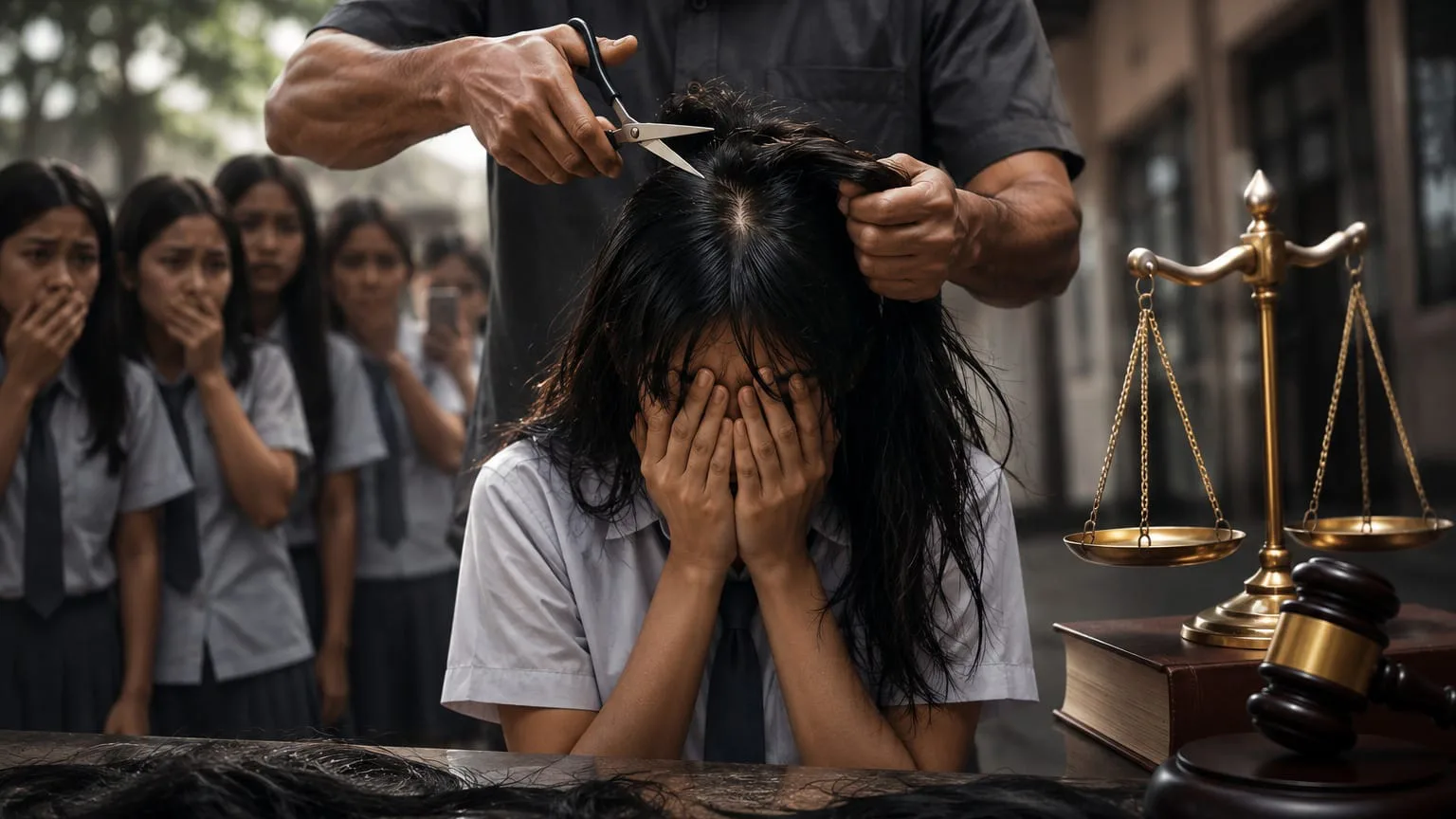
The phenomenon of sexual harassment in Indonesia still occurs very often, even though the UU TPKS has been passed. Like the sexual violence experienced by siblings with the initials DSA (15) and KHS (17) in Purworejo Regency, it is known that both were raped by 13 male neighbors throughout 2023 in different times and conditions. The younger sister, DSA, became pregnant and gave birth as a result of the incident, seeing the statements of the victim and her legal expert during Denny Sumargo's podcast, there are many factors that need to be addressed so that the objectives of the UU TPKS are achieved, such as law enforcement officials who are slow to take action, lack of public awareness about the importance of reporting sexual violence, from the perspective of legal culture that still uses traditional views regarding gender roles and sexual violence.
Soerjono Soekanto's Theory of Legal Effectiveness
Soerjono Soekanto argues that legal effectiveness is influenced by five factors, including:
- Legal Factors: The quality and clarity of the substance of the law itself.
- Law Enforcement Apparatus Factors: The ability and professionalism of the officers in charge of enforcing the law.
- Facilities Factors: Facilities that support law enforcement.
- Community Factors: Community attitudes and behavior towards the law.
- Legal Culture Factors: Values and norms that apply in society that influence acceptance of the law.
Law Number 12 of 2022 concerning Sexual Violence Crimes (UU TPKS) is an important step in the effort to provide legal protection for victims of sexual violence in Indonesia. However, to achieve effectiveness in its application, it is important to understand the various factors that influence law enforcement. Soerjono Soekanto's theory of legal effectiveness can be used as an analytical framework to evaluate how the UU TPKS can be implemented optimally.
Application of Theory in the Context of the UU TPKS
1. Legal Factors
The UU TPKS has a fairly comprehensive substance, covering various forms of sexual violence and providing protection for victims. However, challenges arise when this law is not fully understood by the public and law enforcement officials. Insufficient socialization can result in a lack of understanding of the rights of victims and case handling procedures, thereby hindering the effectiveness of the application of this law.
2. Law Enforcement Apparatus Factors
The ability of law enforcement officials to handle cases of sexual violence is very important for the success of the TPKS Law. Special training on gender sensitivity and handling cases of sexual violence needs to be provided to officers to improve their professionalism. Without a good understanding of this law, officers may not be able to provide adequate protection to victims.
3. Facility Factor
Supporting facilities and infrastructure to socialize and enforce the Law also need to be sufficient, so that information related to the purpose of establishing the law can be conveyed to the public and law enforcement officials can work optimally.
4. Community Factor
Public attitudes towards sexual violence are still influenced by existing social stigmas and norms. Many victims feel pressured to report due to negative stigma from the surrounding environment. Therefore, public awareness campaigns about the importance of reporting sexual violence and supporting victims are needed to change public views.
5. Legal Culture Factor
The legal culture in Indonesia still shows traditional views regarding gender roles and sexual violence. To increase the effectiveness of the TPKS Law, cultural changes need to be made through education and campaigns that emphasize gender equality and the rights of victims. The public must be invited to understand that sexual violence is an unacceptable violation of human rights.
Author's Opinion
Soerjono Soekanto's theory of legal effectiveness provides a useful framework for analyzing the effectiveness of the TPKS Law in Indonesia. By understanding the various factors that influence law enforcement, strategic steps can be taken to improve the implementation of this law effectively. Joint efforts from the government, law enforcement officials, the public and related institutions are needed to create a safe environment for all citizens, especially women and children, from sexual violence crimes.
References
Eko Nurisman (2022). "Risalah Tantangan Penegakan Hukum Tindak Pidana Kekerasan Seksual Pasca Lahirnya Undang-Undang Nomor 12 Tahun 2022." Universitas Internasional Batam.
Mohd Yusuf DM et al. (2023). "Analisis Perspektif Sosiologi Hukum Dalam Mengatasi Krisis Penyimpangan Seksual Ditinjau Dari Undang-Undang Nomor 12 Tahun 2022 Tentang Tindak Pidana Kekerasan Seksual." Jurnal Pendidikan dan Konseling.
Salma Amelinda Iskandar (2023). "UU TPKS: Upaya Negara Hukum Yang Membahagiakan Rakyatnya?" Jurnal Demokrasi dan Ketahanan Nasional.
Komnas Perempuan (2021). "Laporan Tahunan."




















Comments
0Share your perspective politely, stay relevant, and focus on the article. Comments appear after moderation.
Join the discussion
Write a clear, polite response that stays on topic.
No comments yet. Be the first to discuss.
Comments will appear after moderation.