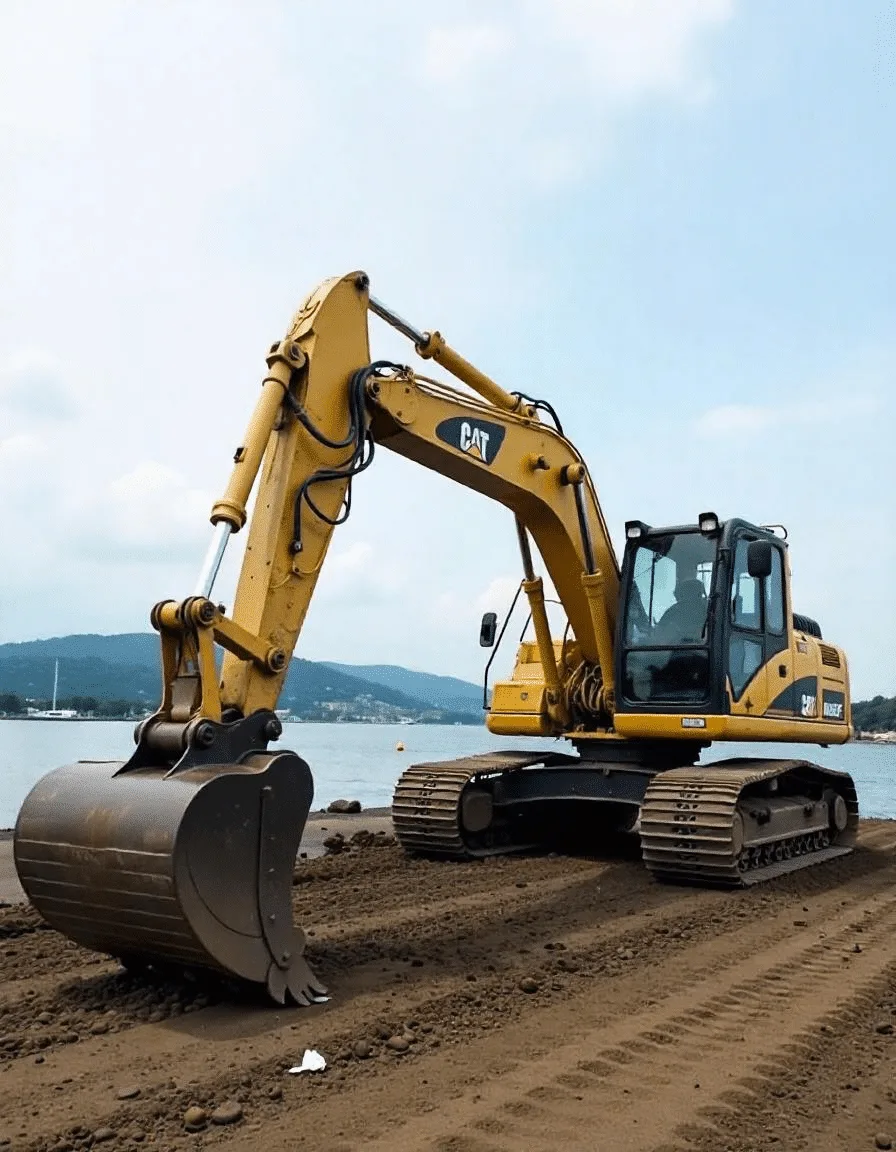
Legal Literacy - Coastal reclamation has become a hot topic in Indonesia, especially in big cities like Jakarta and Bali. On the one hand, reclamation is seen as an opportunity to expand land and boost the economy. On the other hand, many argue that reclamation can threaten the environment and the lives of coastal communities. In this article, we will discuss both sides of this argument, as well as provide insights on whether coastal reclamation is more of a threat or a development opportunity.
What is Coastal Reclamation?
Coastal reclamation is the process of landfilling or utilizing land in coastal areas for specific purposes, such as the construction of infrastructure, housing, and public facilities. This process usually involves taking soil from another place and filling it into the sea. In Indonesia, reclamation has been carried out in several locations, including the Thousand Islands, Jakarta, and Bali. Although it can provide economic benefits, the ecological impact of reclamation is often a major concern.


Economic Opportunities from Reclamation
One of the main arguments in favor of reclamation is its economic potential. By expanding land, governments and developers can build business centers, housing, and tourist facilities that can attract investment. For example, the reclamation project in Jakarta, such as Pulau G, is estimated to generate billions of US dollars in revenue. According to data from the Badan Pusat Statistik, the construction sector in Indonesia grew by 6.9% in 2020, and reclamation could be one of the drivers of this growth.






















Comments
0Share your perspective politely, stay relevant, and focus on the article. Comments appear after moderation.
Join the discussion
Write a clear, polite response that stays on topic.
No comments yet. Be the first to discuss.
Comments will appear after moderation.