
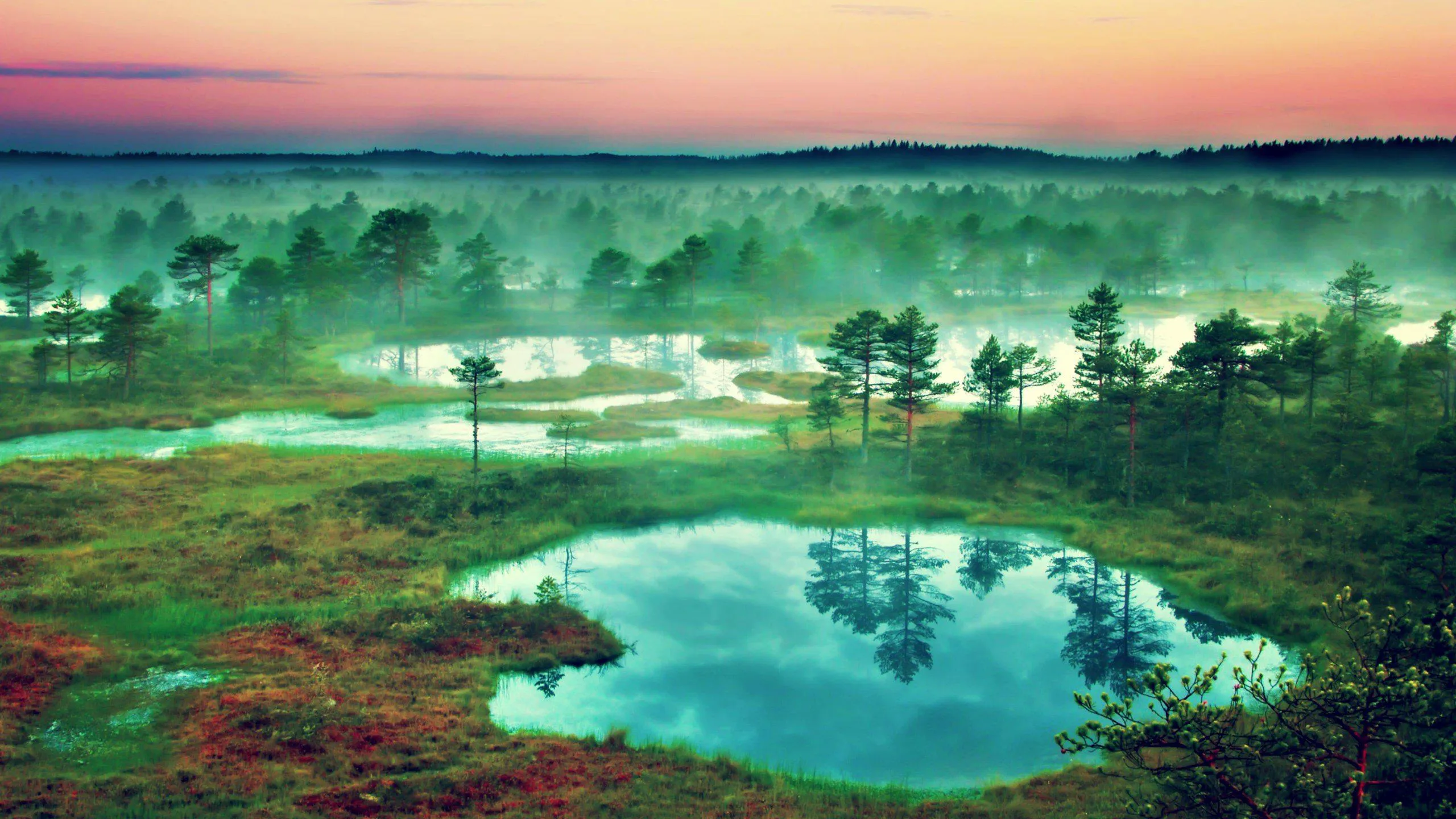
Legal Literacy - Ecological justice is a concept that emphasizes the importance of equality and sustainability in the relationship between humans and the environment. This concept demands that humans realize that they are part of the ecosystem and have a responsibility to maintain its sustainability. environment.
The Meaning of Ecological Justice
Ecological Justice is composed of 2 (two) terms, namely justice and ecology. The term ecology itself was first proposed by Ernst Haeckel as oekologie. In Greek, ecology is divided into oikos which is defined as home or environment and logos which means science or knowledge.


In a broader context, ecology is a branch of biology that studies the interactions between organisms and their environment. The use of the word "ecological" or "ecology" then expanded to refer to everything related to the relationship and interactions between living things and the environment in which they live.
Meanwhile, the root of the word justice itself comes from the word 'justitia' which refers to the moral concept of granting rights and obligations in accordance with norms. These two main concepts, namely justice and ecology, together detail a holistic view of sustainability and justice in the context of the environment.
The Concept of Ecological Justice
The concept of ecological justice basically leads more to granting rights to all entities in the ecosystem to be able to live well. It can be said that ecological justice is a concept new in the conceptual discourse on justice.
The understanding that economic, social, and political inequalities are closely related to environmental damage is the trigger for the emergence of the concept of ecological justice. The most vulnerable communities and groups are often also the hardest hit by climate change and environmental degradation.
Therefore, ecological justice emphasizes the need for a fair distribution of benefits and burdens in environmental policies and practices.
The concept of ecological justice emerged as a response to global concern for environmental issues and their impact on society, especially in the context of development that damages the environment and harms certain community groups.
In the 1980s, environmental activists began to advocate the idea that social justice and environmental sustainability are two inseparable aspects. This initiative developed in conjunction with increasing awareness of the impacts of climate change, biodiversity loss, and
inequality in the use of natural resources.
Basically, ecological justice departs from the approach that the relationship between humans and other entities on earth is seen as a complementary relationship, meaning that humans in ecological justice are not the only ones whose welfare must be properly considered, but other living things must also be considered equally and fairly. This is a manifestation of a change in perspective from
Anthropocentrism to Ecocentrism.






















Comments
0Share your perspective politely, stay relevant, and focus on the article. Comments appear after moderation.
Join the discussion
Write a clear, polite response that stays on topic.
No comments yet. Be the first to discuss.
Comments will appear after moderation.