
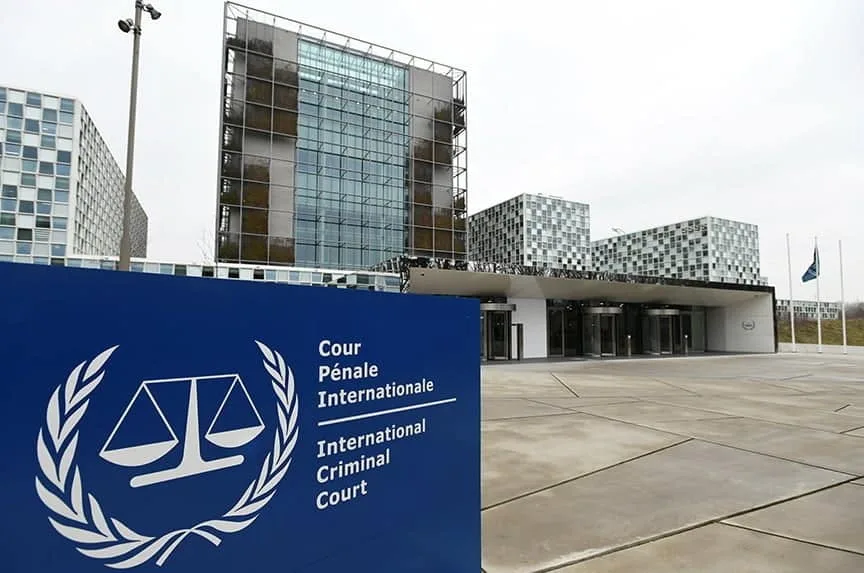
Legal Literacy - This article is an introduction that discusses the fundamentals of arbitration and alternative dispute resolution to resolve a dispute.
In the complex dynamics of the modern legal and business world, disputes are almost inevitable. From contract disputes to disagreements between different parties, the challenge of resolving conflicts can be a significant obstacle to progress and stability. However, amidst this complexity, there is a tool that has become a mainstay for resolving disputes out of court: arbitration and alternative dispute resolution.


Arbitration is a mechanism where disputing parties choose to resolve conflicts outside of conventional courts. It places the decision in the hands of an independent arbitrator or arbitration panel who will adjudicate the dispute with objectivity and fairness, based on evidence and relevant laws. On the other hand, alternative dispute resolution (ADR) encompasses a variety of resolution methods that also involve the disputing parties directly, but are usually conducted through mediation, negotiation, or adjudication led by a third party.
The importance of arbitration and alternative dispute resolution has grown along with economic globalization and the need for efficient, inexpensive, and fair resolution. In the context of international business, arbitration is often the preferred choice because of its flexibility, as well as its ability to guarantee confidentiality and the use of experts in dispute resolution.
However, while arbitration and ADR offer many advantages, they also have their own challenges. From the complexity of procedures to concerns about the fairness of the process, a deep understanding of both systems is crucial for parties involved in business and legal transactions.
In this article, we will explore in more depth the concepts, mechanisms, as well as the advantages and challenges of arbitration and alternative dispute resolution. Thus, we can gain a better understanding of how these tools can be used effectively in handling disputes in this complex modern era.




















Comments
0Share your perspective politely, stay relevant, and focus on the article. Comments appear after moderation.
Join the discussion
Write a clear, polite response that stays on topic.
No comments yet. Be the first to discuss.
Comments will appear after moderation.