2. Representative Democracy
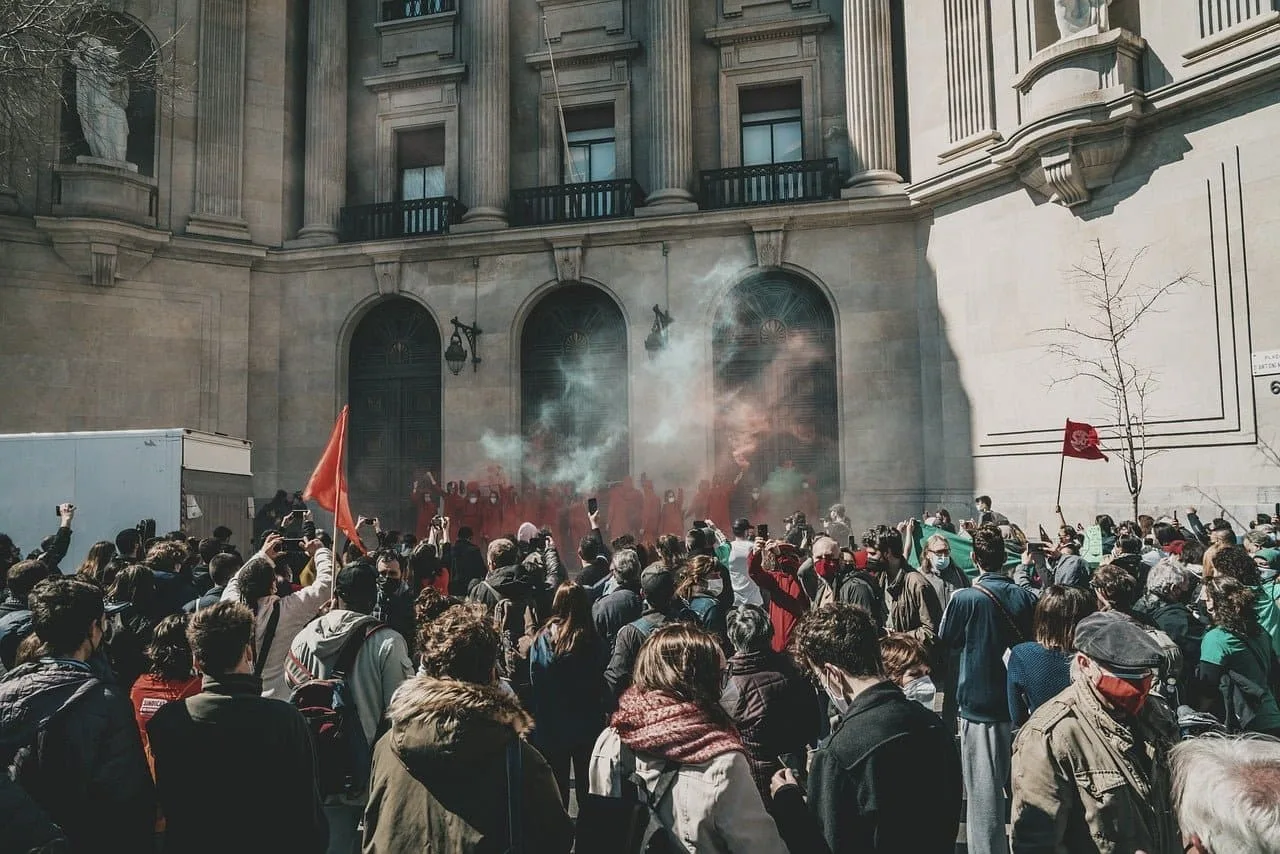
The representative democracy system occurs when people have the freedom to elect their representatives in parliament, becoming the most common form of democracy worldwide. The focus is on protecting rights, not only for the majority but also for minorities in the country. By electing qualified representatives, minorities can voice their interests more effectively.
3. Representative Democracy with Referendum System
This type of democracy combines elements of direct and representative democracy. Citizens will elect their representatives to represent them in representative institutions, which are then still supervised by the citizens themselves.


C. Based on the Point of Attention
If based on the point of attention, then this democratic political system is divided into three types, including:
1. Formal Democracy
Formal democracy is a democratic political system that affirms political equality but does not address economic inequality. In a formal democracy, every individual is considered to have equal rights.
2. Material Democracy
Material democracy is a form of political system that seeks to reduce economic disparities, but often ignores or even eliminates political equality.
3. Combined Democracy
This combined democracy mixes the advantages of both formal and substantial democracy while eliminating its weaknesses. In this context, the principle of equality and rights of every individual is valued, but public participation is limited for the sake of the common good.
Characteristics of Democracy
Here are the main characteristics that are commonly shared by countries with democratic systems:
- People's Sovereignty
• The highest power in government is in the hands of the people.
• The people have the right to determine all state decisions and how they want to be governed. - Government based on the Constitution
• Exists a constitution or basic law as a standard rule. The constitution protects the rights of citizens and limits the power of the government.
• Everyone, including leaders, must abide by the constitution. - General Election that is Free and Fair
• General elections (elections) are held periodically, freely, secretly, and competitively to elect leaders and people's representatives.
• The people have the right to choose who will be their representatives without threats and coercion. - Representative System
• Government is run by people's representatives elected through elections.
• People's representatives function as supervisors, accommodate citizens' aspirations, and create policies/laws that reflect the people's wishes. - Rule of Law (Supremacy of Law)
• Everyone, including the government and leaders, is subject to the same law.
• No one should be above the law. - Protection Human Rights (Human Rights)
• The state recognizes and protects the basic rights of every citizen, regardless of origin, ethnicity, belief, or political views. - Free and Impartial Justice
• There is an independent judicial body. The court must administer justice impartially, objectively, and free from government intervention and various interests. - Freedom of Opinion, Association, and Assembly
• Society has the right to express their opinions.
• Citizens have the right to assemble and form community organizations such as trade unions, NGOs, political parties, etc. - Free flow of information
• There is freedom of the press. The media plays a vital role in disseminating information to the public and serving as a control mechanism to prevent abuse of power.
Objectives of Democracy
In general, the goal of democracy is to create a prosperous, just, and prosperous society. Here are some of the main goals of democracy:
- Popular Sovereignty:
• The people have the right to choose their leaders and how they want to be governed.
• This increases accountability and responsibility government to the people. - A government that is Fair and Responsible:
• Democracy ensures that everyone is treated equally before the law and has equal rights.
• Leaders are elected through a fair and transparent process, and they must be accountable to the people for their actions. - People's Welfare:
• Democracy aims to improve the quality of life of the people through policies that focus on education, health, economy, and social development.
• A government that is responsive to the needs and aspirations of the people. - Peace and Stability:
• Democracy provides space for peaceful and structured political participation, thereby minimizing conflict and increasing political stability.
• A democratic society is more tolerant and inclusive of differences. - Freedom and Human Rights:
• Democracy protects the basic rights of citizens, such as freedom of expression, religion, and assembly.
• A democratic society is more open and pluralistic. - Sustainable Development:
• Democracy encourages public participation in decision-making related to the environment and natural resources.
• This helps create sustainable and environmentally friendly development. - Economic growth:
• Democracy creates political stability and legal certainty that are important for attracting investment and promoting economic growth.
• A transparent and accountable government is more effective in managing state finances.
Democracy Adopted by Indonesia
The democracy adopted by Indonesia is Pancasila Democracy. Pancasila Democracy is a democracy based on the values of Pancasila, namely:
- Belief in One Supreme God:
- The state guarantees freedom of religion for all citizens.
- The government must not favor any one religion.
- Just and Civilized Humanity:
- All people are treated equally before the law.
- Human rights are protected and respected.
- The Unity of Indonesia:
- Pancasila Democracy prioritizes the unity and integrity of the nation.
- Cultural diversity is valued and respected.
- Democracy Led by Wisdom in Deliberation/Representation:
- The people have the right to choose their leaders.
- Decisions are made through consensus or voting.
- Social Justice for All Indonesian People:
- Pancasila Democracy aims to create a just and prosperous society.
- Economic development must be even and fair.
Characteristics of Pancasila Democracy
- Sovereignty is in the hands of the people: The people elect their leaders through elections.
- Government based on the constitution: The 1945 Constitution is the basic law of the state.
- Free and fair elections: Every citizen has the right to vote and be elected.
- Representative system: MPR, DPR, and DPD represent the people in government.
- Rule of law: The law applies to everyone.
- Protection of human rights: Human rights are guaranteed and protected by the state.
- Free and impartial judiciary: The judiciary is free from government intervention.
- Freedom of opinion, association, and assembly: Citizens are free to express their opinions and assemble.
- Free flow of information: The mass media is free to convey information.
Challenges of Pancasila Democracy
Pancasila Democracy continues to develop and faces various challenges. These challenges include:
- Corruption: Corruption can weaken democracy and hinder development.
- Injustice: Economic and social injustice can create tension and conflict.
- Money politics: Money politics can undermine the democratic process and produce incompetent leaders.
- Intolerance: Intolerance of differences can trigger conflict and threaten national unity.
Nevertheless, Pancasila Democracy has proven capable of bringing Indonesia towards progress and prosperity. Pancasila Democracy needs to be continuously strengthened and maintained so that it can provide benefits for all Indonesian people.
Impact If Democracy Does Not Work Well in Indonesia
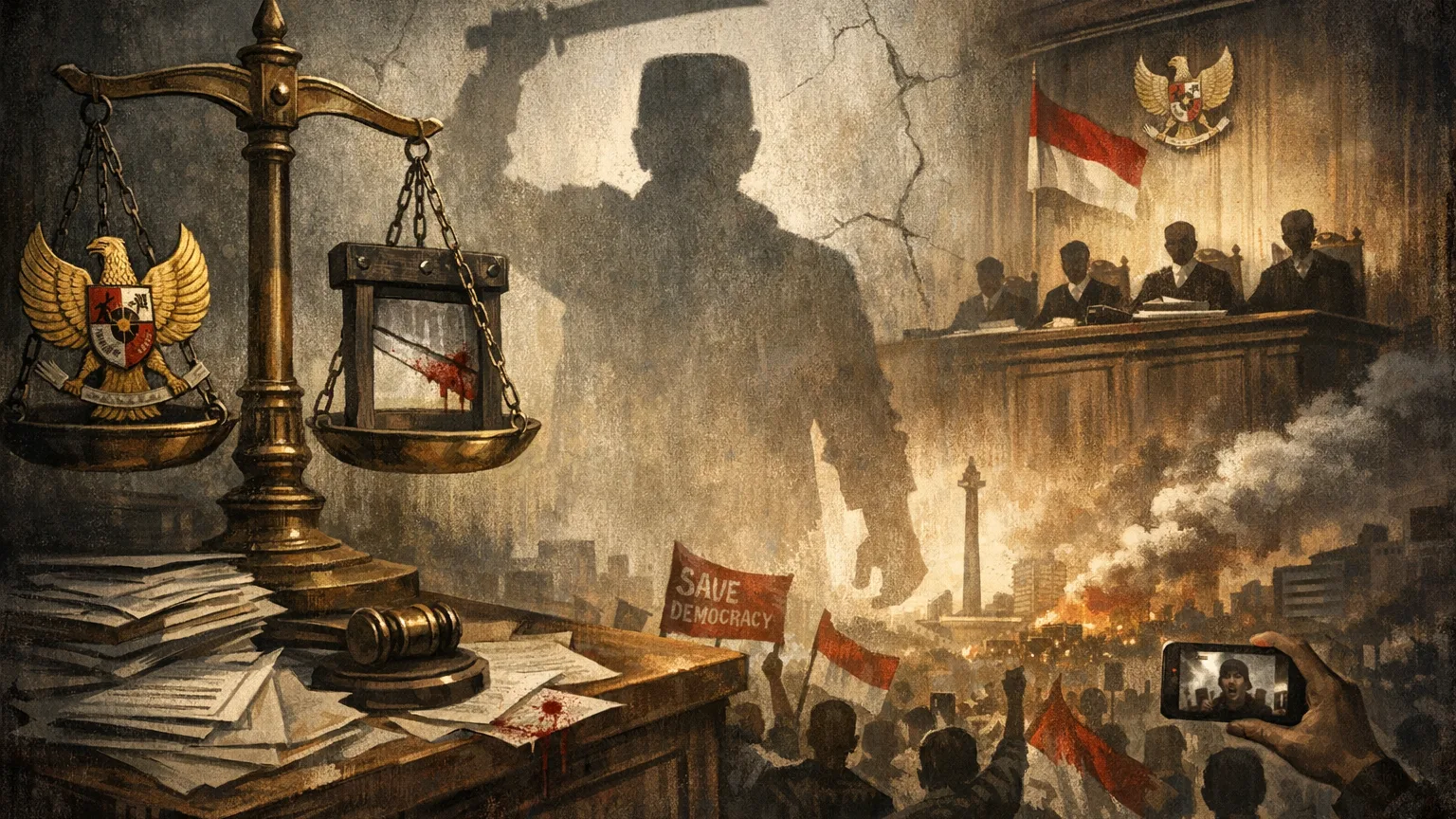
If democracy does not work well in Indonesia, there will be various negative impacts, including:
- Political Instability:
• Public distrust of the government may increase.
• The emergence of demonstrations and social movements demanding change.
• Potential for riots and political chaos. - Human Rights Violations:
• An undemocratic government may silence critical voices and restrict the basic rights of the people.
• Arbitrary arrests and detentions of activists and political opponents.
• Violence and intimidation against minority groups. - Corruption and Collusion:
• Weak democracy allows corruption and collusion to occur.
• State assets are corrupted by officials and businessmen.
• Public services become unqualified and the people are harmed. - Poverty and Injustice:
• Democracy that does not work well is unable to overcome the problems of poverty and injustice.
• The gap between rich and poor widens.
• People do not have equal access to education, health, and employment. - Weak Law Enforcement:
• The law is not enforced fairly and transparently.
• Crime is increasing and people feel unsafe.
• Trust in law and government is declining. - Decreasing Indonesia's Image in the Eyes of the International Community:
• Indonesia will be labeled as an undemocratic country.
• Foreign investors are reluctant to invest in Indonesia.
• Indonesia's image and reputation in the world are tarnished.
Examples of the Application of Democracy in Daily Life
Democracy is not only about a system of government, but also about how we interact and make decisions in our daily lives. Here are some examples of the application of democracy in various aspects of life:
- Family:
• Family discussions to determine joint decisions, such as choosing a tourist spot or dinner menu.
• Respecting the opinions and rights of each family member.
• Dividing tasks and responsibilities fairly. - School:
• Election of the student council chairman and student council administrators through voting.
• Class discussions to discuss subject matter and solve problems together.
• Voicing opinions and criticisms constructively in teaching and learning activities. - Community:
• General elections to elect leaders and representatives of the people.
• Participation in village deliberations or community meetings to discuss development and problems in the surrounding environment.
• Carrying out mutual cooperation and community service together for the common good. - Country:
• Enactment of legislation through a legislative process involving the DPR and DPD.
• Organization of free and fair general elections.
• Freedom of the press and media to convey information and criticism to the government. - International World:
• Indonesia's participation in international organizations such as the UN and ASEAN to contribute to world peace and security.
• Diplomacy and negotiation to resolve conflicts between countries.
• Respect for the sovereignty and human rights of other countries.
Thus the discussion about Democracy. If #temanliterasi wants to discuss other topics, you can contact us through the page contact us or contact us via the whatsapp widget on the bottom right. Hope it is useful!

















Write a comment