
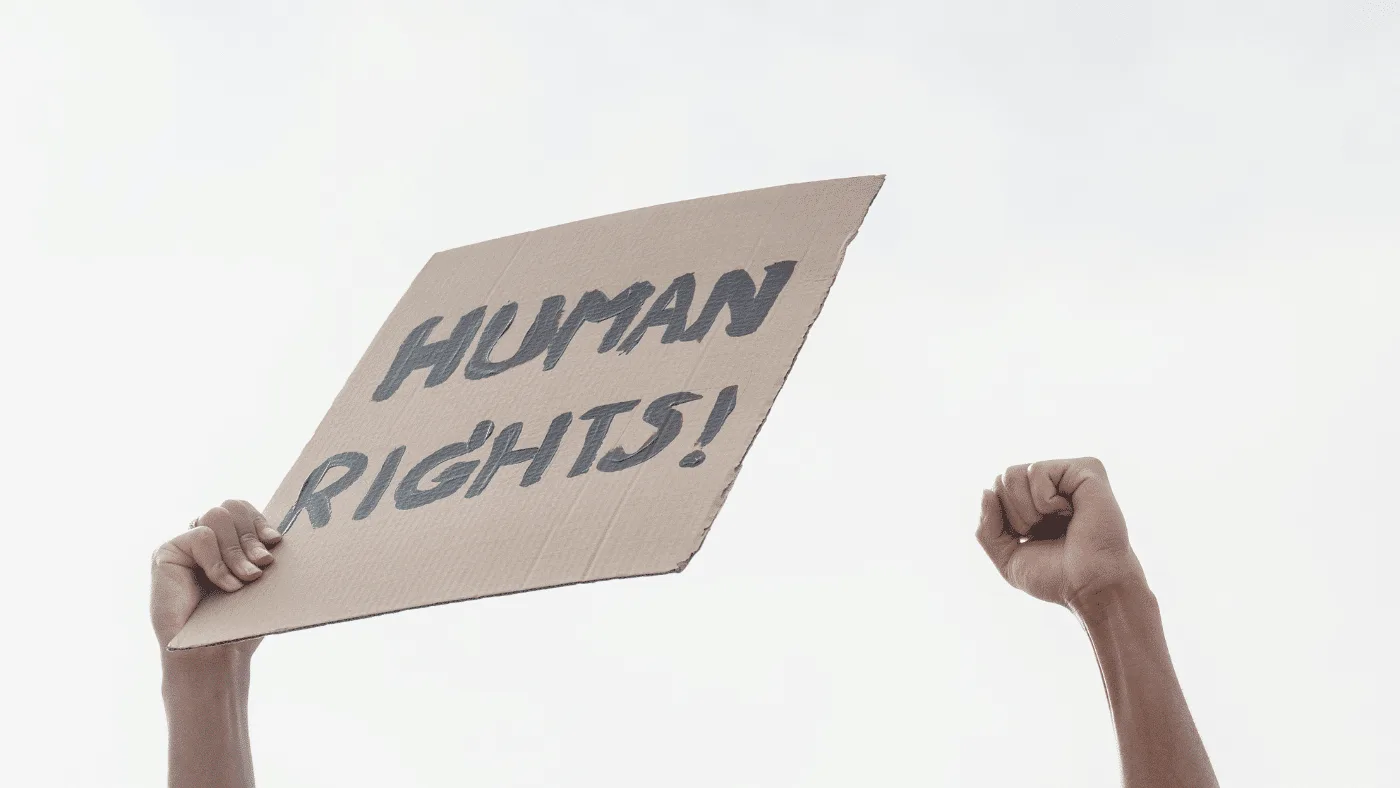
Legal Literacy - Discover the Impact of Electing Leaders Involved in Human Rights Violations on the State. Learn about diplomatic sanctions and international isolation that can be applied by other countries, as well as the factors that influence their impact. Includes actual case examples and important notes. Visit for more information.
Question
A question for the Admin Legal Literacy via Direct Message Instagram as follows:


What happens if a country elects a leader who has committed human rights violations? Will that country be punished by other countries?
Summary of Answer
If a country elects a leader who has committed Human Rights (HAM) violations, the response from other countries may vary depending on the context, severity of the violations, and existing international relations.
Explanation
The Impact of Electing Leaders Involved in Human Rights Violations on the State can have serious consequences for the country. These consequences can take the form of diplomatic sanctions and international isolation. Here is the explanation:
Diplomatic Sanctions
- Reduction of diplomatic relations:Other countries may reduce diplomatic relations with a country that elects a leader who violates human rights. This may mean the withdrawal of ambassadors and the reduction of embassy staff.
- Restriction of cooperation:Other countries may restrict cooperation with a country that elects a leader who violates human rights. The restricted cooperation can be in the form of economic, political, and security cooperation.
- Visa refusal:Other countries may refuse visas for officials and citizens from a country that elects a leader who violates human rights.
International Isolation
- International condemnation:A country that elects a leader who violates human rights may be condemned by the international community. This condemnation can be conveyed through official statements, UN resolutions, and demonstrations.
- Boycott:Other countries may boycott a country that elects a leader who violates human rights. This boycott can be in the form of economic, political, and sports boycotts.
- Enforcement of sanctions:The UN Security Council may impose sanctions on a country that elects a leader who violates human rights. These sanctions can include arms embargoes, asset freezes, and travel bans.
Factors Affecting Impact
- Severity of human rights violations:The more severe the human rights violations committed, the more likely the country will be subject to sanctions and isolation.
- The country's relationship with other countries:A country that has good relations with other countries may receive fewer sanctions and less isolation.
- Geopolitical interests:A country with strategic geopolitical interests may receive fewer sanctions and less isolation.
Case Example
- Myanmar: Myanmar has been sanctioned by Western countries and international organizations following the military coup in 2021. The leader of the Myanmar military junta, Min Aung Hlaing, has been accused of committing serious human rights violations against his people.
- Sudan: Sudan has been sanctioned by the United States and the United Nations following a military coup in 2021. The leader of the Sudanese military junta, Abdel Fattah Burhan, has been accused of committing serious human rights violations against his people.
- Zimbabwe: Zimbabwe has been sanctioned by the European Union and the United States since 2002. Former President of Zimbabwe, Robert Mugabe, has been accused of committing serious human rights violations against his people.
Conclusion
Electing leaders involved in human rights violations can have serious consequences for their country. These consequences can include diplomatic sanctions and international isolation.
Note
- This article only provides an overview of the impact of electing leaders who violate human rights on the country.
- The actual impact may vary depending on the factors mentioned above.
Sources
- Amnesty International:https://www.amnesty.org/en/
- Human Rights Watch:https://www.hrw.org/
- United Nations:https://www.un.org/
Disclaimer
The leaders discussed in this article do not refer to any specific person or potential leader. This article aims to provide information and education to the public about the impact of electing leaders involved in human rights violations.
The information presented in this article is general in nature and is not intended to attack or discredit any particular individual or group.
Readers are expected to examine the information critically and not spread misleading information.





















Comments
0Share your perspective politely, stay relevant, and focus on the article. Comments appear after moderation.
Join the discussion
Write a clear, polite response that stays on topic.
No comments yet. Be the first to discuss.
Comments will appear after moderation.