
Juridical Aspects: Potential Violations of Human Rights and the Principle of Due Process of Law
Legally, this program has the potential to violate the basic principles of child protection and criminal law. Law Number 35 of 2014 concerning Child Protection (Article 16) guarantees that every child has the right to protection from violence, exploitation, mistreatment, and neglect. Meanwhile, Article 69 of the UU SPPA (Juvenile Criminal Justice System) states that the main approach in handling children in conflict with the law must be based on restorative, not punitive, justice.
An important question that arises: who determines that a child is "naughty"? Is it through a fair legal process or just a subjective assessment from officials or adults? Without a clear legal framework, sending children to barracks risks becoming a form of arbitrary detention—arbitrary detention that violates human rights and can be categorized as a violation of international law (see: UN Convention on the Rights of the Child, 1989, Article 37).


Moral Populism and Delegitimization of Educational Reform
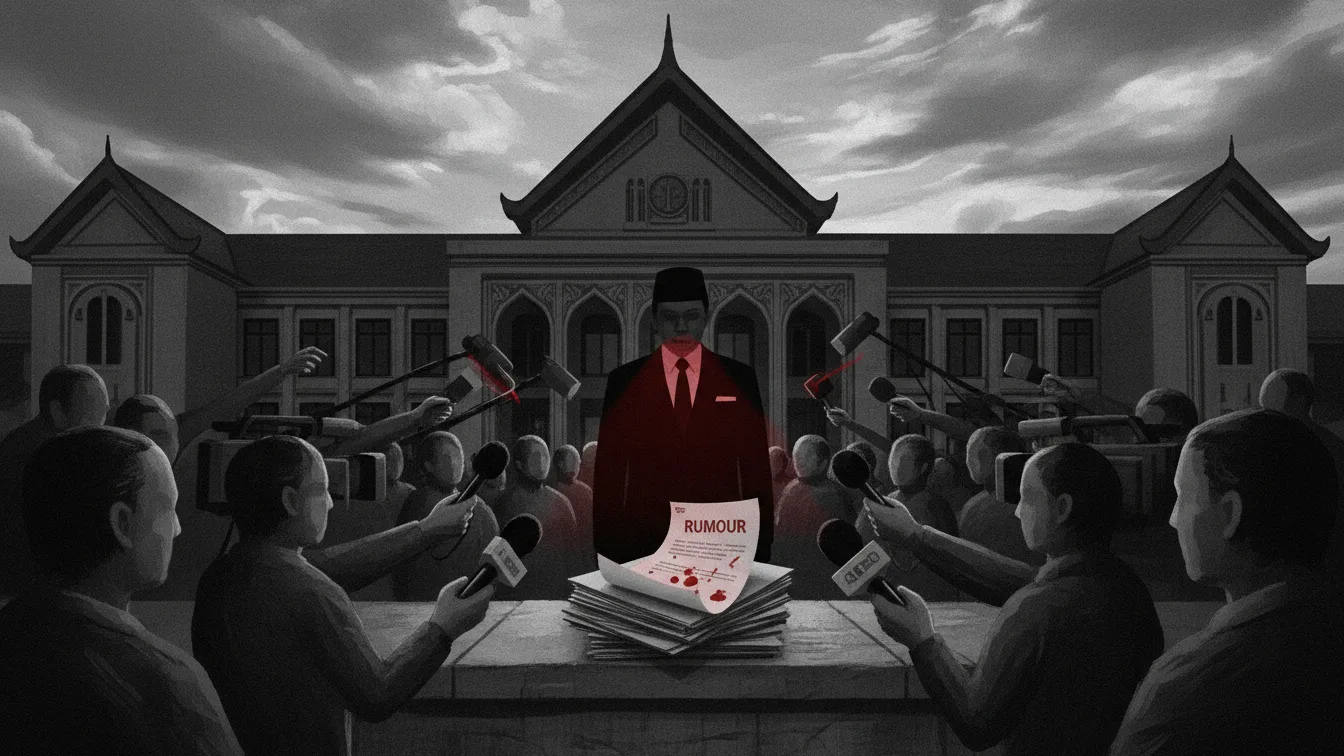
Phenomena like this also show symptoms of moral populism, namely a political strategy that uses sensitive social issues to build the image of a firm and authoritative leader. In this context, Dedi Mulyadi does not stand alone. Many politicians use the narrative of "discipline" as a tool to mobilize support, especially from conservative communities who are concerned about social change.
Instead of encouraging reform of the education system, counseling services, or youth participatory programs, populist policies normalize symbolic repression. This distances the state from its long-term commitment to building evidence-based policy, and closer to theatrical actions that are only effective on the surface.
Humanistic Alternatives: Changing the System, Not Blaming the Child
The biggest challenge in dealing with juvenile delinquency is changing the paradigm: from blaming individuals to fixing social structures. The state should focus on building an inclusive and child-friendly education system, providing safe spaces for creative expression, strengthening family functions, and developing psychosocial services that are easily accessible.
Inspiration can be drawn from restorative justice approaches in various countries such as New Zealand and Canada, which prove that dialogue, mediation, and social reintegration are far more effective than punitive approaches in dealing with deviant behavior in children.
We Need Courage to Care, Not Just to be Firm
The “naughty children go to the barracks” program may be born out of good intentions, but intention alone is not enough in designing public policy. A scientific, participatory, and fair approach is needed so that the solutions offered do not create new problems. We are not in need of more places that make children obedient out of fear, but places that make them grow because they are understood.
Because in the end, fostering a generation is not about creating barracks, but building learning spaces full of empathy and hope.
References
- Foucault, Michel. Discipline and Punish: The Birth of the Prison. Vintage Books, 1977.
- Erikson, Erik H. Identity: Youth and Crisis. W. W. Norton & Company, 1968.
- Undang-Undang Nomor 35 Tahun 2014 tentang Perlindungan Anak.
- Undang-Undang Nomor 11 Tahun 2012 tentang Sistem Peradilan Pidana Anak (UU SPPA).
- United Nations Convention on the Rights of the Child (CRC), 1989.
- Komnas Perlindungan Anak. Laporan Tahunan 2023: Situasi Anak di Indonesia.
- UNODC. World Youth Crime and Juvenile Justice Report, 2022.















Write a comment