
From Discipline to Repression: Barracks as Tools of Power, Not Development
The barracks in Dedi Mulyadi's imagination are expected to be a space to "discipline" troubled children. However, this approach contains a latent danger: shifting the educational paradigm from development to domestication. Foucault (1977) in Discipline and Punish refers to institutions such as prisons, schools, and barracks as forms of disciplinary power—where the human body is controlled through mechanisms of surveillance, punishment, and forced adaptation to norms.
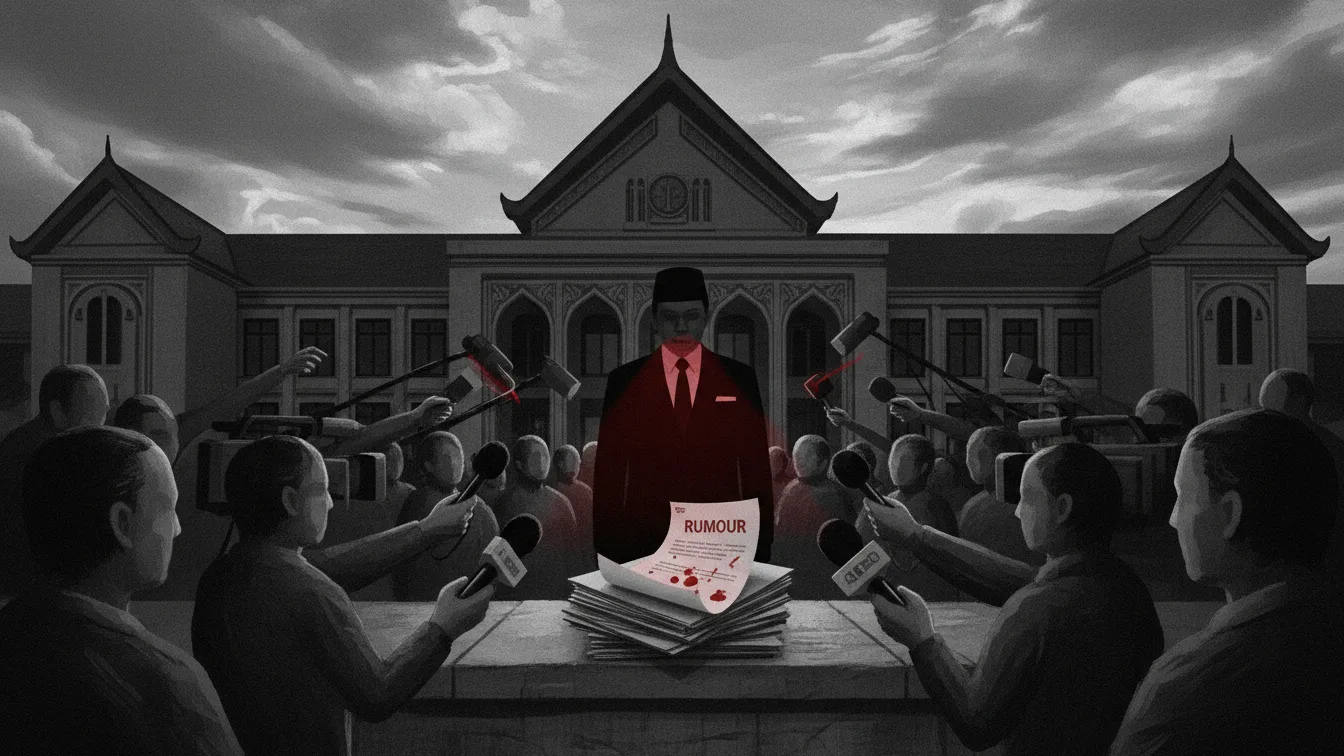
The barracks model creates a hierarchical power relation between "educators" and "naughty children" that has the potential to create domination, not emancipation. Adolescents placed in barracks are not invited to dialogue, but are ordered; not guided, but conditioned. This approach is closer to social control techniques than a humanistic and participatory educational process.


Symbolic Violence and Psychological Trauma
Various studies of developmental psychology emphasize the importance of affective and empathetic approaches in adolescent development. According to Erikson (1968), adolescence is a phase of identity seeking that is fraught with emotional vulnerability. The application of a militaristic approach full of physical and symbolic pressure can cause trauma and prolonged resistance, instead of creating positive behavioral changes.
The Komnas Perlindungan Anak (2023) report also notes that harsh development methods in various rehabilitation institutions often have an impact on anxiety, depression, and loss of self-confidence in children. Does the "naughty children enter the barracks" program take this psychological aspect into account? Without a guarantee of protection mechanisms, evaluation, and the involvement of child psychology experts, the barracks could become a tool for destroying character, not forming it.




















Write a comment