


Legal Literacy Imagine a world with rules. There are prohibitions on war, there is protection of human rights, there are international courts. But who enforces all of that? There is no global police force. There are no judges who can force a country's president to sit in the defendant's seat. All that exists is the United Nations and its Security Council, but five superpowers have veto power. Once they raise their hands, all decisions are nullified in an instant.
Getting to Know Naming and Shaming
When formal law has lost its teeth, the international community often draws one last card, which is naming and shaming. The essence of Naming and Shaming is to expose a country's human rights violations to the entire world, hoping that shame will make them change. But let's be honest, this method often fails and even worsens the situation. This article will explore why Naming and Shaming as a last resort, it ends up in vain, and why international law often gets stuck, jammed, and totally deadlocked.


Why Naming and Shaming does it often fail?
International law is essentially a voluntary contract. Countries join because they want to, not because they are forced to. There is no power that can apprehend a country's leader who violates human rights. There is no court that has the authority to enforce a ruling if the concerned country is unwilling. This is very different from domestic law. If we steal, the police come, the court decides, and we are imprisoned. At the global level, it is not that simple.
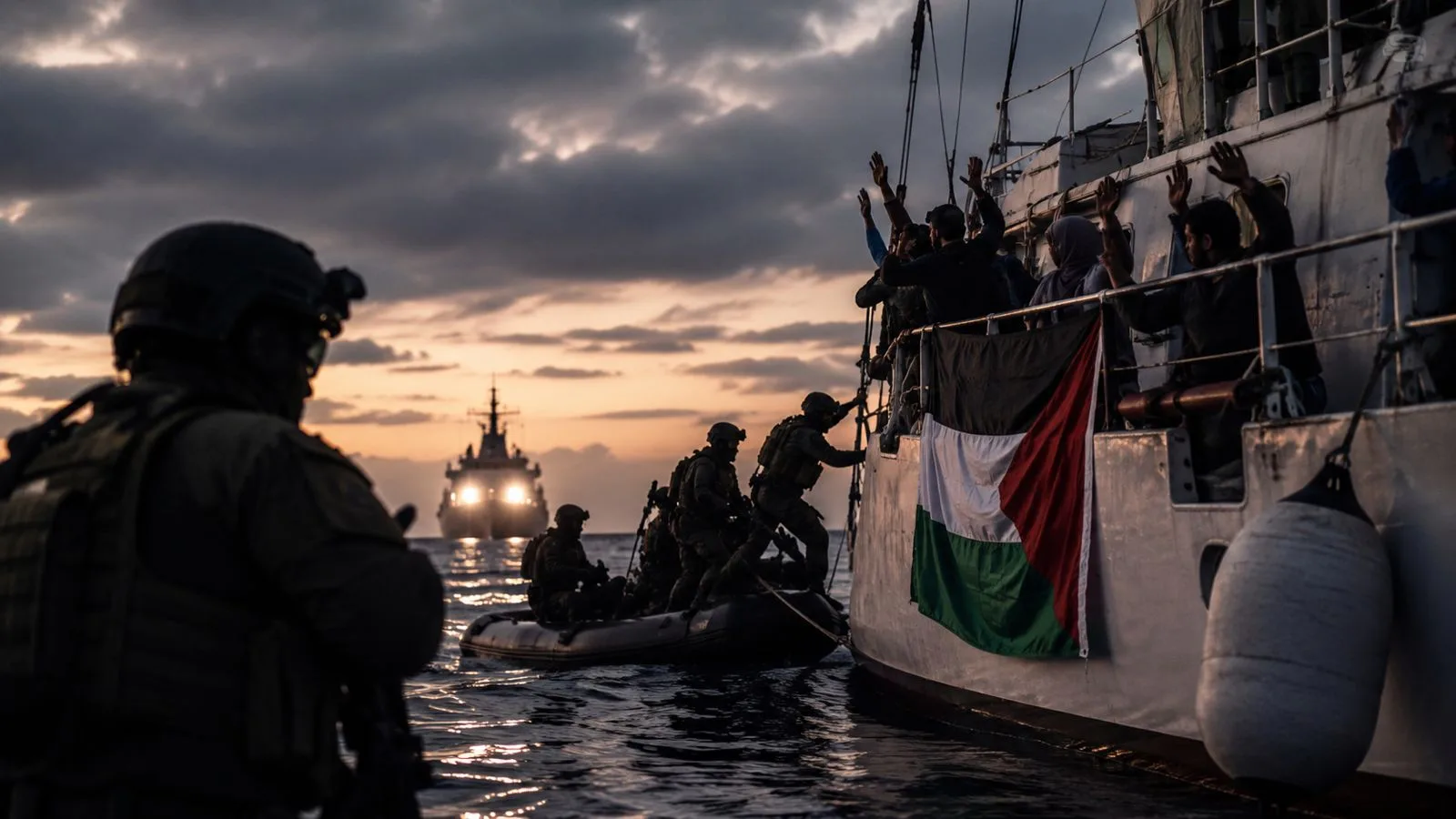
There is no world police that can apprehend violators. The International Criminal Court can only act if the concerned country is willing to cooperate. The UN Security Council is completely deadlocked due to the veto power of five major countries, namely the United States, Russia, China, the United Kingdom, and France[1]. A clear example can be seen when Russia repeatedly vetoed resolutions regarding its actions in Ukraine. The United States also frequently shields Israel from international condemnation. China always protects its allies. As a result, justice only applies to small countries or countries that are at odds with major powers. This is no longer a matter of law, it is purely politics.







Comments
0Share your perspective politely, stay relevant, and focus on the article. Comments appear after moderation.
Join the discussion