

Legal Literacy - Have you ever heard of a case of someone being convicted of a crime they didn't commit? In Indonesia, miscarriage of justice or miscarriage of justice is not uncommon. This article examines this phenomenon, from its history, causes, impacts, to reform and prevention efforts. Let's fight together for justice and the rule of law in Indonesia.
Definition Miscarriage of justice / Miscarriage of Justice
Miscarriage of justice in Indonesian means failure to achieve justice. In a legal context, miscarriage of justice can be interpreted as:


- Failure to achieve the legal objective of achieving justice.
- Incorrect application of justice by law enforcement institutions.
Miscarriage of justice can occur in various forms, such as:
- Innocent people are punished.
- Guilty people are acquitted.
- The sentence imposed does not match the severity of the violation.
- Unfair legal process.
Miscarriage of justice can have fatal consequences for individuals and society. For individuals, miscarriage of justice can lead to loss of freedom, reputation, and even life. For society, miscarriage of justice can damage trust in the legal system and cause social instability.
Miscarriage of justice, or miscarriage of justiceoccurs when an unfair legal process results in a wrong decision, harming both the defendant and the victim. In Indonesia, cases like this raise serious questions about the integrity and fairness of the judicial system. This article aims to delve deeper into miscarriages of justice in Indonesia, through discussions of well-known cases, common causes, and efforts that have been made to prevent them, in order to achieve a more just and reliable judicial system.
History of Miscarriage of Justice
Miscarriage of justice, or miscarriage of justiceis a phenomenon that has occurred since ancient times. History records many cases where people were convicted of crimes they did not commit.
Some examples of miscarriages of justice in the past:
- Dreyfus Affair (1894): Alfred Dreyfus, a French Jewish military officer, was convicted of espionage. Only after several years was it proven that he was innocent and a victim of anti-Semitism.
- Salem Witch Trials (1692-1693): In the United States, 20 people were convicted and executed on charges of witchcraft. It was later discovered that they were victims of hysteria and prejudice.
- Sacco and Vanzetti Case (1921): Nicola Sacco and Bartolomeo Vanzetti, two Italian immigrants in the United States, were convicted of murder and robbery. Many believe they were victims of discrimination and anti-anarchism.
Factors that cause miscarriages of justice in the past:
- Lack of evidence: Scientific and forensic evidence has not developed as rapidly as it is today, so judges and juries often have to make decisions based on inaccurate or incomplete evidence.
- Prejudice: Prejudice against race, religion, ethnicity, or social class can influence the judicial process and cause people to be unfairly convicted.
- Human error: Errors in the investigation, identification, or interpretation of evidence can trap innocent people.
Modern developments in efforts to prevent miscarriages of justice:
- Scientific development: Advances in science and technology, such as forensic DNA, help improve accuracy in the investigation and evidentiary process.
- Increased standards of evidence: Stricter standards of evidence are enforced to ensure that only truly guilty people are convicted.
- The role of organizations and activists: Various organizations and activists work to raise awareness about miscarriages of justice and help free wrongfully convicted people.

Famous Cases of Miscarriage of Justice in Indonesia
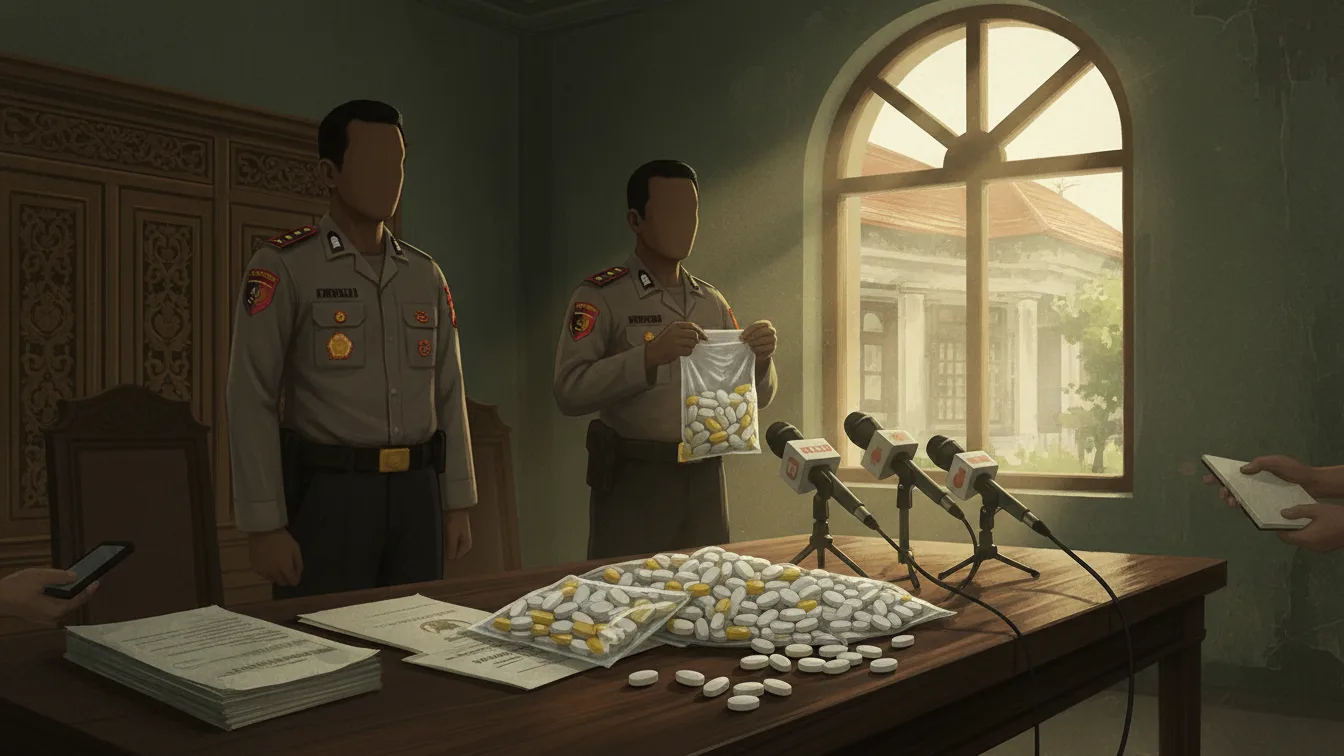
Several cases of miscarriage of justice in Indonesia have attracted public and media attention, arousing awareness of the importance of justice and truth. For example, the case of a young man who was wrongly accused of being involved in serious criminality, or an individual who was convicted based on evidence whose validity was questionable. These cases not only harm innocent defendants but also raise doubts about the reliability of the justice system.
Here are some examples of miscarriage of justice cases in Indonesia:
Marsinah Case
Marsinah, a labor activist at PT Catur Putra Surya Porong, Sidoarjo, East Java, was found dead on May 8, 1993. Her death, full of wounds and mystery, triggered massive demonstrations.
In 1994, four PT CPS workers were convicted in the Marsinah case. However, many parties doubted the legal process and their convictions, including Komnas HAM, which found a lot of evidence that did not support the court's decision.
Munir Said Thalib Case
Munir Said Thalib, a human rights activist, was murdered with arsenic poison on Garuda Indonesia flight GA 974 on September 7, 2004. Pollycarpus Budihari Priyanto, a Garuda Indonesia pilot, was sentenced to 14 years in prison in this case.
However, many parties suspect the involvement of other higher-ups in this case, including Pollycarpus, who was only convicted as a field operator.
Wawan Case
Wawan, a worker in Tangerang, Banten, was sentenced to 15 years in prison for the murder of his boss in 2013. He was convicted based on a witness's confession which was later found to be a lie.
After a long process, Wawan was released in 2018 after the Supreme Court granted a Judicial Review (PK).
Antasari Azhar Case
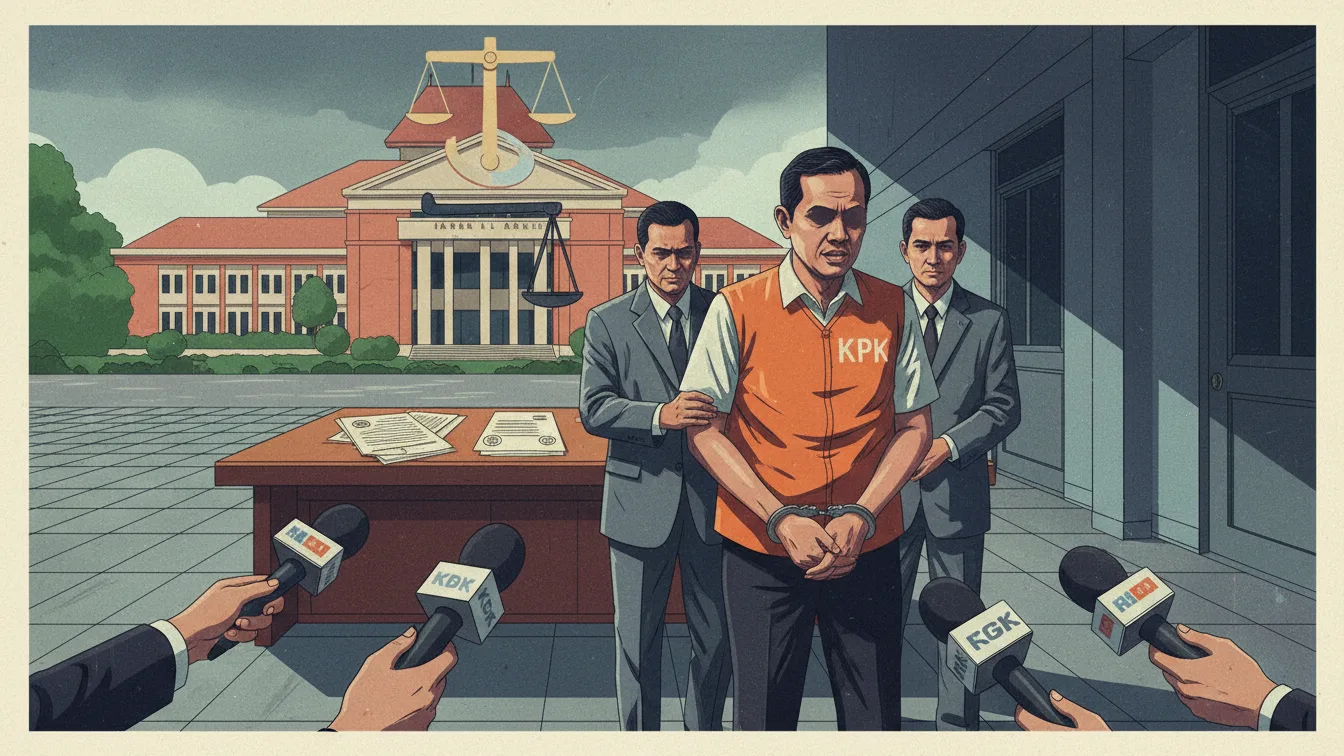
Antasari Azhar, former Chairman of the KPK, was sentenced to 18 years in prison for the murder of Nasrudin Zulkarnaen in 2009. Many parties doubted the legal process and Antasari's conviction, including the KPK, which stated that Antasari was a victim of engineering.
Antasari was released in 2016 after the Supreme Court granted his PK.
The Sengkon and Karta Case
Sengkon and Karta were convicted of the murder of Sulaiman and his wife (Siti Haya) in 1977. They were imprisoned for 12 years and 7 years.
However, later on, the real killers were revealed, namely Gunel, Elli and his friends. Sengkon and Karta were released and received rehabilitation of their good names.
The cases above are just a small example of miscarriages of justice that occur in Indonesia. There are still many other cases that have not been revealed and the victims are still demanding justice.
Miscarriage of justice is a serious violation of human rights and must be avoided. Fair and transparent law enforcement is essential to prevent miscarriages of justice in the future.
Common Causes of Miscarriage of Justice
Various factors can contribute to miscarriages of justice, including:
- Witness Misidentification Eyewitness error is often a major cause of wrongful convictions. Psychological pressure, prejudice, or inaccurate memories can lead to misidentification.
- Abuse of Authority Abuse of authority by authorities, such as police or prosecutors, can lead to torture, coercion, and the use of illegally obtained evidence.
- Lack of Evidence or False Evidence The use of insufficient or falsified evidence, whether intentional or not, can lead to misjudgment.
- Bias in the Justice System Prejudice or bias, whether based on race, ethnicity, religion, or social status, can influence the decisions of judges and juries.
Impact of Miscarriage of Justice
Miscarriages of justice have long-term and serious consequences, not only for the individuals involved but also for public confidence in the justice system:
- Impact on Victims Wrongfully convicted individuals face devastating psychological, social, and economic consequences, including social stigma and difficulty reintegrating after release.
- Loss of Public Trust Miscarriage of justice cases erode public trust in the fairness and integrity of the judicial system, undermining the foundations of democracy.
- Economic and Social Impact Families of miscarriage of justice victims also suffer, both emotionally and economically, facing loss of income and social support.
Reform and Prevention Efforts for Miscarriage of Justice
Miscarriage of justice is a serious problem in the legal system that can ruin individual lives and erode public trust in justice. To address this issue, comprehensive and sustainable reform and prevention efforts are needed. Here are some efforts that can be made:
Legal and Policy Reform
- Changes to laws and regulations:Strengthening human rights, improving evidence collection procedures, tightening oversight of law enforcement, and ensuring equal access to justice for all.
- Strengthening independence and accountability:Improving the independence and accountability of judicial institutions, including judges, prosecutors, and police.
- Increased transparency:Increasing transparency in legal processes and ensuring public access to information.
Education and Training
- Improved training and education for law enforcement officials:Improving law enforcement officials' knowledge and understanding of human rights, fair investigation techniques, and high standards of evidence.
- Legal education for the public:Increasing public awareness of their rights in legal proceedings and how to identify potential miscarriages of justice.
Use of Technology
- Adoption of new technologies:Adopting new technologies, such as forensic DNA, to improve accuracy in evidence collection and investigation.
- Information system development:Developing an integrated information system to facilitate access to and exchange of information between law enforcement agencies.
The Importance of Collaboration
Efforts to reform and prevent miscarriages of justice require collaboration and commitment from various parties, including the government, law enforcement agencies, academics, civil society organizations, and the wider community. By working together, we can build a fairer and more reliable justice system in Indonesia.
Some examples of efforts that have been made
- Establishment of Komnas HAM:Komnas HAM plays a role in monitoring and handling cases of human rights violations, including miscarriages of justice.
- Enactment of Law No. 35 of 2009 concerning Narcotics:This law regulates the use of DNA tests in the investigation and trial process of narcotics cases, which can help prevent miscarriages of justice.
- Establishment of the Witness and Victim Protection Agency (LPSK):LPSK provides protection for witnesses and victims in legal proceedings, including victims of miscarriages of justice.
These efforts need to be continuously strengthened and developed to ensure that miscarriages of justice no longer occur in Indonesia.
The Role of Society and the Media
Society and the media play an important role in uncovering and putting pressure on handling cases of miscarriages of justice. With increased public awareness and concern, there is a greater impetus for transparency and fairness in the justice system. The media, both traditional and social, is an effective tool for bringing these cases to the public, sparking discussion and demands for reform.
In addition, NGOs and human rights organizations play a crucial role in providing legal support and advocacy for individuals who are victims of miscarriages of justice. Their efforts not only help in restoring the individual's reputation, but also in encouraging changes in legal policies and practices to prevent similar errors in the future.
Conclusion
Miscarriages of justice are a serious problem in the legal system that can ruin individuals' lives and erode public trust in justice. The cases that have been highlighted demonstrate the urgent need for reform and improvement in legal processes. By raising awareness, strengthening laws and policies, and adopting new technologies, Indonesia can move towards a fairer and more reliable justice system. The hope for the future lies in a shared commitment to correcting these shortcomings and ensuring that justice is upheld for all.





















Comments
0Share your perspective politely, stay relevant, and focus on the article. Comments appear after moderation.
Join the discussion
Write a clear, polite response that stays on topic.
No comments yet. Be the first to discuss.
Comments will appear after moderation.